No-confidence motion against Om Birla will serve no purpose

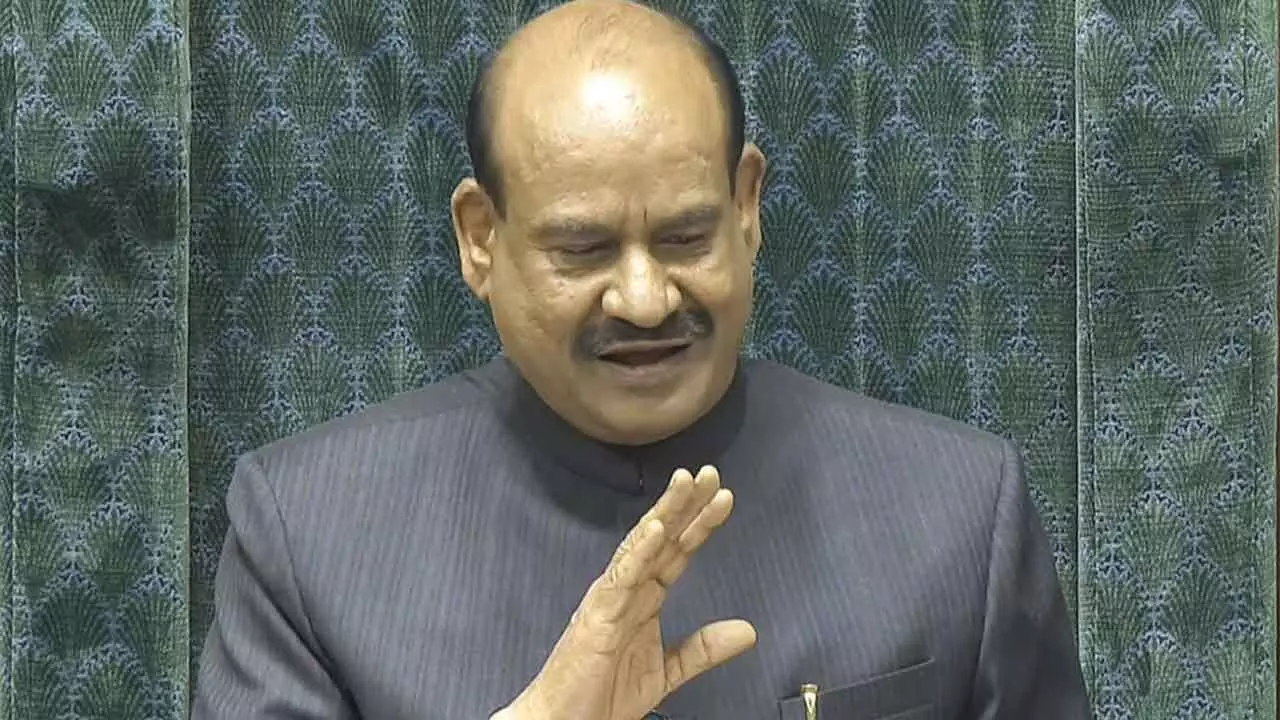
The Congress’ notice for a no-confidence motion against Lok Sabha Speaker Om Birla is yet another episode of the farce that our political masters have reduced parliamentary democracy to. The result of the motion is known even today: Birla will stay. The grand old party is spearheading the charge of the Opposition, minus Mamata Banerjee’s TMC. Congress leaders accuse Birla of bias. Importantly, Leader of the Opposition Rahul Gandhi has not reportedly signed the no-confidence notice, citing the dignity of parliamentary democracy—an act that adds the element of hypocrisy to the farce.
Gandhi doesn’t do anything when the members of his party behave in an unruly manner. His party colleagues have been suspended many times in Parliament; last week, eight were suspended for “unruly behaviour,” including tearing papers and throwing them at the Chair during repeated disruptions in the House. And now Gandhi cites the dignity of parliamentary democracy!
To be fair to the GOP, it is not alone that indulges in doublespeak; the Bharatiya Janata Party’s record is no better. To be precise, it is a lot worse than that of the Congress. In September 2012, at the end of the Monsoon Session, which the BJP disrupted over coal allocations, leader of the House in the Rajya Sabha Arun Jaitley used his lawyerly sophistry to justify his party’s unruly behaviour in Parliament: “Not allowing Parliament to function is a form of democracy like any other form…”
The BJP’s shenanigans in the past, however, do not condone the Congress’ un-parliamentary conduct today. Birla is unlikely to go down in history as the greatest Speaker of the Lok Sabha, but Congress members have not helped their own case by shouting, throwing papers, and disregarding the Chair. They try to match the BJP’s theatrics with their own.
Both parties must realise that disruption carries a cost that extends beyond partisan skirmishing. Every adjourned sitting represents lost legislative time. Bills are passed with minimal debate; questions go unanswered; committee scrutiny is sidelined. People, already cynical about politics, see shouting matches on television screens. Images of MPs tearing papers and flinging them across the chamber do not evoke democratic vibrancy.
If the Congress genuinely believes that Speaker Birla has been partisan, it should pursue the matter with sobriety and consistency. A no-confidence motion should be accompanied by a detailed, evidence-based indictment of specific rulings, patterns of time allocation, and instances of alleged bias. It should be argued on the floor with calm determination. Above all, it should be untainted by simultaneous displays of unruly conduct. Otherwise, the motion risks appearing less as a principled stand and more as a political gambit.
Equally, the ruling party must recognise that majoritarian dominance does not absolve it of responsibility. The health of parliamentary democracy depends not only on formal rules but on informal restraint. Allowing adequate debate, respecting dissenting voices, and avoiding the temptation to bulldoze legislation are essential to restoring trust.
The unedifying spectacle surrounding the no-confidence notice tells a larger story about the state of India’s parliamentary culture. Institutions cannot command respect if those entrusted with them treat them as stages for competitive outrage. The Congress may believe it is challenging bias; the BJP may see itself as defending order. But when both sides prioritise theatrics over substance, the only casualty is Parliament itself.