An insider’s guide to Louisiana’s iconic food

Louisiana’s food is more than cuisine — it is history served on a plate. Shaped by Creole elegance and Cajun tradition, every dish tells a story of culture, community, and bold flavour
Louisiana’s cuisine is a fascinating mix of flavours shaped by different cultures,communities, and traditions. The state’s most popular cuisines reflect the area’s rich heritage and cultural diversity. Creole cuisine, which originated in New Orleans, blends European, African, and Caribbean cooking techniques. In contrast, Cajun cuisine was developed by 18th-century French-Acadian exiles who settled in the swamps and prairies of southwest Louisiana. As a result, the unique blend of flavours has created a wide variety of dishes that remain iconic to the state.
Louisiana’s Iconic Dishes- The flavours across the state are a testament to culinary excellence, where heritage and techniques come together to create unforgettable dishes.
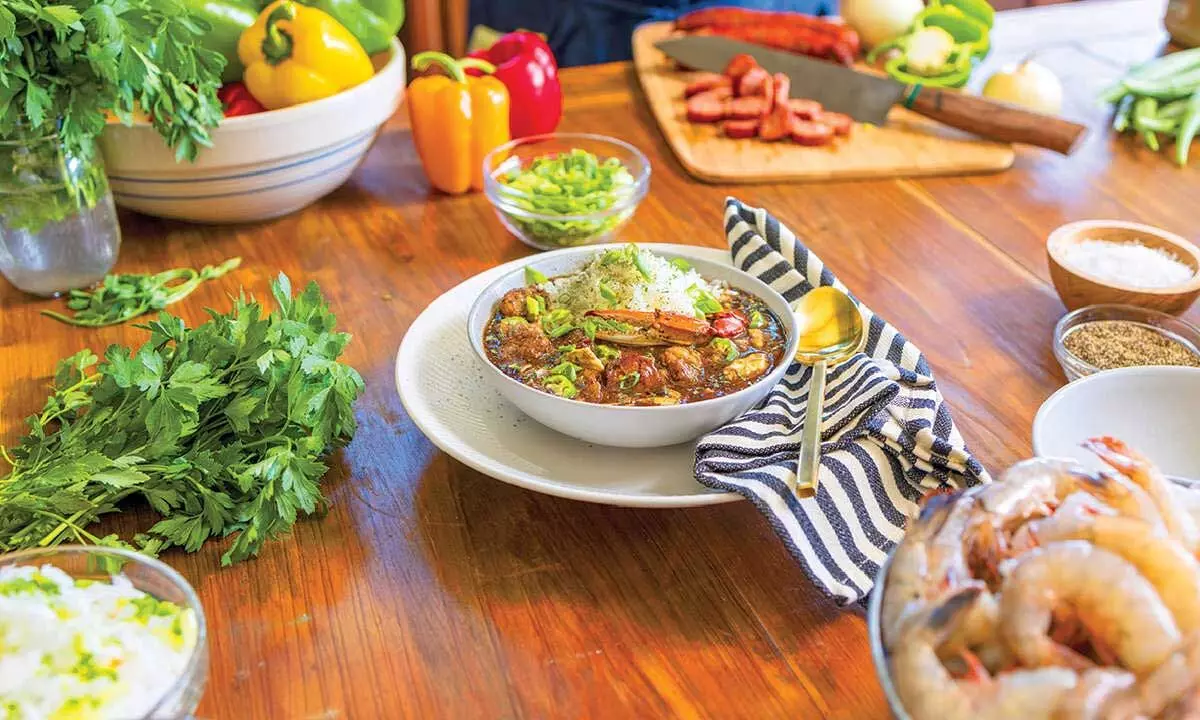
The official dish of Louisiana, Gumbo, is an irresistible amalgamation of dark roux (butter or oil mixed with flour), rice, seafood or chicken and sausage, “the trinity” (a combination of onions, bell peppers, and celery) and often okra. Gumbo stands as the heart of Louisiana cuisine and proudly holds the title of the state’s official dish. This rich, slow-simmered stew reflects centuries of cultural blending, combining French, African, Spanish, Caribbean, and Native American influences. Built on a dark roux of flour and fat, gumbo brings together rice, seafood or chicken and sausage, and “the trinity” of onions, bell peppers, and celery. Often thickened with okra, each pot tells a story of heritage and technique, making gumbo a powerful symbol of Louisiana’s culinary identity.
Jambalaya represents Louisiana’s talent for transforming simple ingredients into bold, memorable meals. Inspired by Spanish paella, this Creole classic mixes chicken, sausage, rice, and vegetables in a single pot bursting with spice and colour. Traditionally cooked outdoors in large black cast-iron pots, jambalaya is central to festivals and family gatherings. The town of Gonzales, known as the World Capital of Jambalaya, even celebrates it annually, proving how deeply the dish is woven into local culture.
Boudin captures the rustic spirit of Cajun cooking. Made from seasoned pork and rice stuffed into sausage casings, boudin is enjoyed steamed, grilled, or rolled into crispy fried boudin balls. More than a snack, it is a cultural symbol across southwest Louisiana. Entire food trails are dedicated to tasting its many variations, especially in Scott, proudly known as the Boudin Capital of the World, where recipes are fiercely guarded and passionately debated.
Po’boys showcase Louisiana’s love of hearty, satisfying sandwiches. Served on crisp French bread, these oversized subs are traditionally ordered “dressed” with lettuce, tomato, pickles, and mayonnaise. Fillings range from fried shrimp and oysters to slow-cooked roast beef dripping with gravy. Born as affordable meals for working-class communities, po’boys have become culinary icons that represent the state’s creativity and comfort-food heritage.
Étouffée highlights Louisiana’s deep connection to its waterways. Meaning “smothered” in French, this Creole dish features crawfish or shrimp simmered gently in a blond roux with onions, celery, and bell peppers. Served over rice, étouffée balances richness with delicacy, allowing the sweetness of fresh shellfish to shine. It is a staple of both fine restaurants and family kitchens, embodying the elegance of Creole tradition.
Stuffed shrimp from Shreveport tells a powerful story of food and history. Created in the 1950s at the legendary Freeman & Harris Café, this dish features large fried shrimp filled with savoury Creole dressing and served with spicy sauce. The restaurant played a major role in the civil rights era as one of the first integrated dining spaces in the city. Though it closed in 1994, the recipe lives on as a symbol of regional pride.
Charbroiled oysters reflect Louisiana’s mastery of seafood. Served on the half shell and grilled with butter, garlic, herbs, and cheese, these oysters emerge sizzling and aromatic. First popularized in the New Orleans area, they have become a must-try delicacy across the state. Their rich flavour and dramatic presentation perfectly capture Louisiana’s love for bold, indulgent cooking.
Beignets bring sweetness and celebration to Louisiana’s table. These pillowy squares of fried dough, buried under powdered sugar, are synonymous with New Orleans café culture. Enjoyed for breakfast or late-night snacks, beignets symbolize the city’s relaxed rhythm of life. Alongside them, Louisiana offers festive desserts like King Cake and classic pralines, proving that indulgence is central to its culinary spirit.
Sazerac completes the Louisiana food experience with a drink as historic as the cuisine itself. Created in New Orleans, this refined cocktail blends rye whiskey, bitters, Herbsaint, and lemon peel. Often called America’s first cocktail, the Sazerac reflects the city’s long-standing cocktail tradition and perfectly complements Louisiana’s rich, flavour-driven dishes.