Performing arts in the creative economy

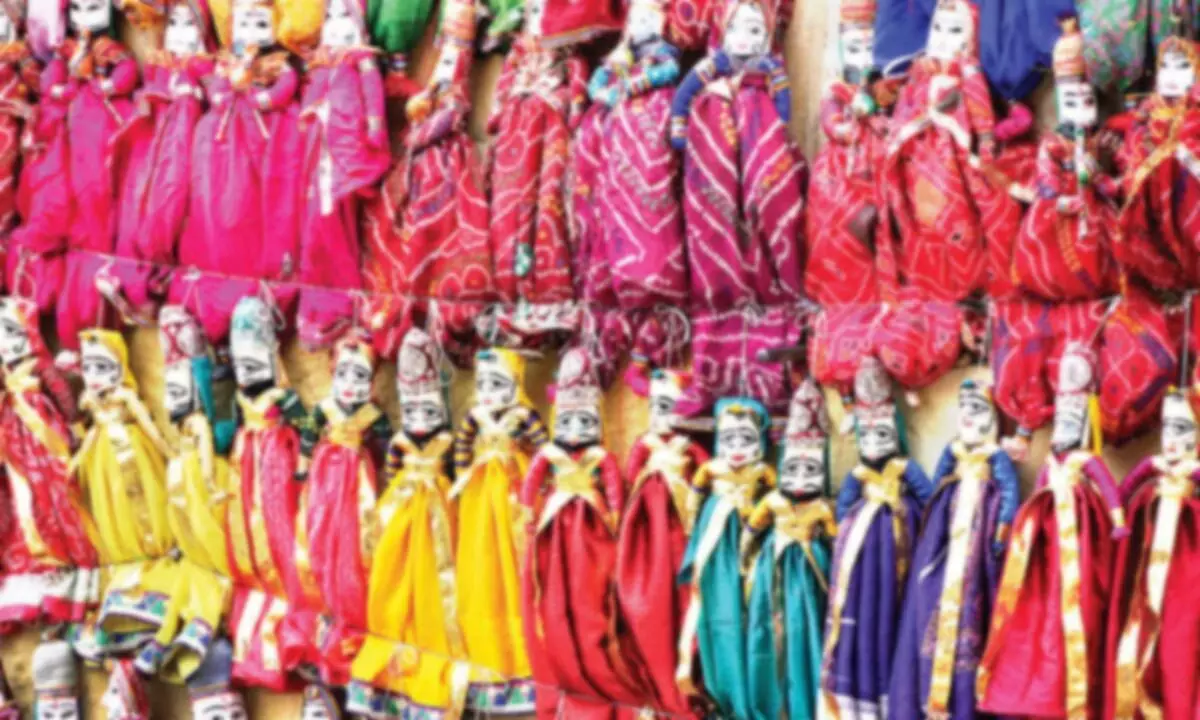
The performing arts encompasses dance, theatre, music, puppetry, and folk expression. From the vedic era Bharat has experienced a dynamic mode of communication which was more than entertainment. These were instruments of education, social change, political expression, and cultural continuity. Today, these traditional forms are finding new relevance within the framework of the creative economy, integrating with technology and innovation to open up expansive opportunities for enterprise.
What is Creative Economy?
The creative economy has created a niche space in new economics which covers interdisciplinary sectors of culture, creativity, and knowledge-based intellectual capital. According to the UNCTAD’s Creative Economy Outlook 2024 there is a varied economic contributions of the creative economy across different countries, ranging from 0.5% to 7.3% of GDP and employing between 0.5% to 12.5% of the workforce. The Creative services exports marked 29% increase from 2017 surging to $1.4 trillion in 2022. It’s interesting to note that over the past decade (from 2002), the share of creative goods’ exports has remained steady around 3% and the creative services’ share rose from 12% to 19%. Though the export of creative goods exports reached $713 billion with a 19% increase, the analytics are captivating. The primary export of developing countries is creative goods, while developed countries dominate creative services exports. However, developing countries have significantly increased their share from 10% in 2010 to 20% in 2022.
The analysis indicates that the creative economy is driving growth and employment. It includes arts, media, design, film, publishing, fashion, advertising, heritage, and digital innovation. The Performing arts sit at the heart of this ecosystem bridging tradition with technology, emotion with storytelling, and heritage with innovation.
Communication Tool From Ancient Times to Airlines
The performing arts has been a powerful mode of mass communication. From temple dancers narrating epics through Bharatanatyam or Kathak, to the use of Nautanki and Jatra in rural awareness campaigns, performing arts have served as living newspapers, educators, and catalysts for collective consciousness.
A brilliant contemporary example is the Indian Airlines safety demo, choreographed in the classical Bharatanatyam style. This innovative step has communicated safety protocols effectively but celebrated Bharatiya culture in a modern context by demonstrating how performing arts can be meaningfully woven into even the most unexpected sectors.
Education and Skill Development
The modern pedagogy is increasingly embracing performing arts to enhance comprehension, empathy, and creativity. The concepts in subjects like history, science, language, and even mathematics can be internalised effectively through performance-based learning. For instance:
•Puppetry has been used to teach environmental conservation and sanitation in schools.
•Street theatre (Nukkad Natak) is used in public health campaigns for behavior change.
•Role-play and improvisation are effective in soft skills training, language acquisition, and even corporate leadership modules.
This creates scope for enterprising individuals by creating a niche market with high demand to offer experiential learning solutions, workshops, and educational content blending performance with curriculum.
Performing Arts as Enterprise
Performing arts in the digital age are evolving with new entrepreneurial avenues, particularly when integrated with technology, design, and digital tools. For instance, Classical dance helps logical thinking and also time management by synchronising with the rhythm.
Digital Content & Streaming:
Artists now use platforms like YouTube, Instagram, and OTT services to create folk-based web series, host virtual performances, and engage audiences through tutorials and storytelling. For instance, Raja Kumari blends Indian classical dance with hip-hop for global reach.
VR & AR Integration:
Immersive technologies enable virtual performances, AR-based dance tutorials, and interactive theatre. Startups can recreate classics like Shakuntalam or Ramleela using VR for global audiences.
Edutainment & Curriculum Integration:
Ed-tech ventures are using performing arts to develop school modules, train teachers, and build apps/games rooted in traditional forms. Example: Kahaani Box simplifies learning through theatre.
Cultural Tourism & Event Curation:
Entrepreneurs curate festivals, community theatre, and cultural cafés to offer immersive cultural experiences.
Therapeutic & Wellness Applications:
Performing arts are used in mental health, therapy for neurodivergent children, and wellness programs combining dance, music, and yoga.
Reviving Traditional Forms with Innovation:
Indigenous arts like Baul, Yakshagana, and Therukoothu are being revived through digitisation, AI, animation, and online courses. Youth can become cultural entrepreneurs by fusing tradition with technology and storytelling for global appeal.
Performing arts are gaining policy support as a tool for job creation and cultural diplomacy. Schemes like Startup India and UNESCO’s Creative Cities offer funding, while institutions can scale arts education. Challenges like digital access and market gaps need public-private partnerships, mentorship, and targeted skill development to unlock full potential. Many artists in the country especially woman dedicated years of energy in learning the art should reimagine as a Creator, Educator, and Innovator. Repurposing performing arts with innovation and technology empowers artists, drives the creative economy, and strengthens Bharat’s cultural and economic identity.
(The writer is a Creative Economy Expert)