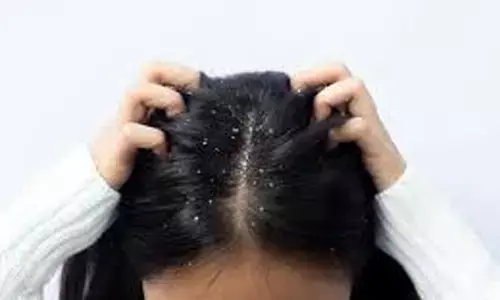
Breaking the myths: Why hair fall isn’t always about the shampoo you use

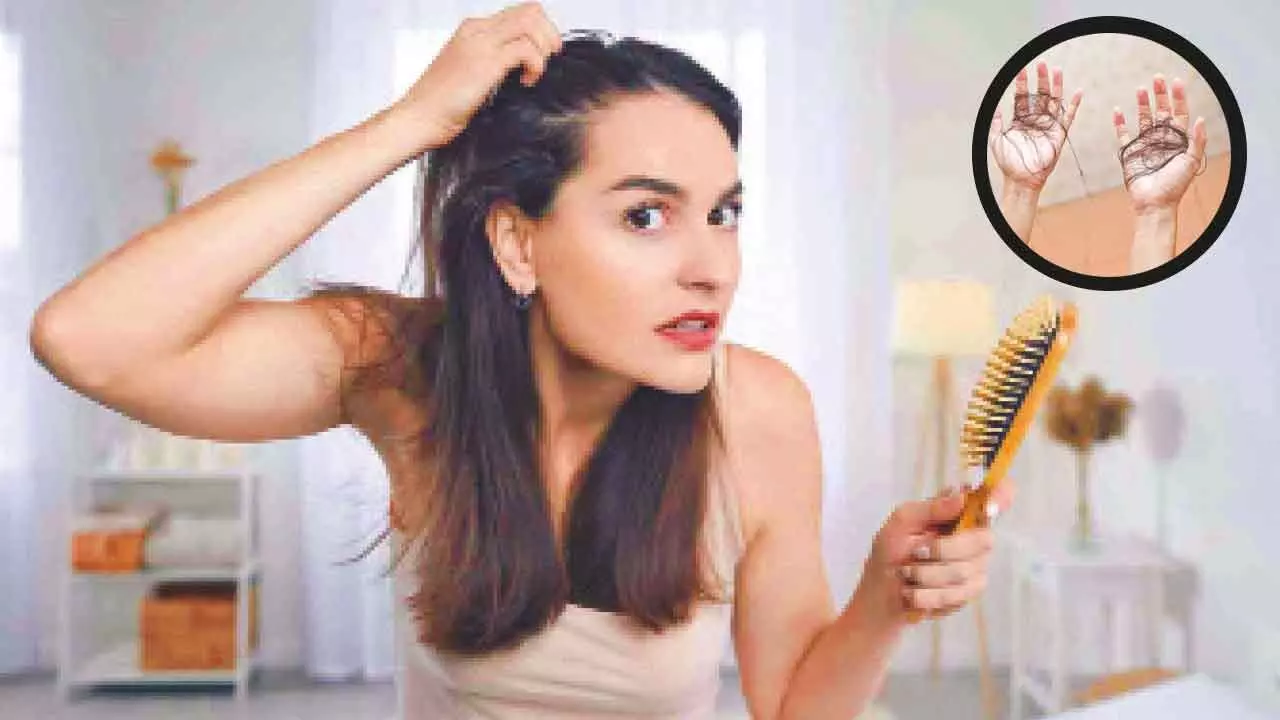
Every morning, finding strands of hair on your pillow or comb can trigger quiet panic. While shampoos often take the blame, the truth is that hair fall runs deeper than what’s in your bottle. From diet and stress to environmental factors, true hair health begins within—long before the lather
Every morning, the sight of hair on the pillow, in the shower drain, or tangled in the comb can be a source of quiet anxiety. In our quest for a solution, the first suspect is often the shampoo bottle sitting on our bathroom shelf. We switch brands, hunt for “sulphate-free” labels, and spend a small fortune on products promising miraculous results. But what if the real culprit isn’t what’s washing your hair, but what’s happening inside your body and your environment?
The connection between shampoo and hair fall is one of the most persistent myths in hair care. While harsh chemical-based haircare products can certainly cause breakage and scalp irritation, it is rarely the root cause of persistent hair fall. For most people, the issue runs much deeper, tied to a complex web of factors that have little to do with cleansing agents.
The Real Drivers of Hair Loss
To understand hair fall, it’s essential to look beyond the bathroom mirror. Our hair is a barometer of our overall health, and its condition is influenced by a variety of internal and external elements.
1. The Internal Balance
Your diet, stress levels, and hormonal balance play a starring role. Nutritional deficiencies, particularly in iron, protein, and essential vitamins, can directly impact the hair growth cycle, leading to increased shedding. Similarly, chronic stress can push hair follicles into a resting phase, causing them to fall out months later. Hormonal fluctuations due to conditions like PCOS, thyroid issues, or postpartum changes are also significant, yet often overlooked, contributors.
2. The Environmental Onslaught
We live in a world of dust, pollution, and hard water. These environmental aggressors settle on the scalp, potentially clogging follicles and creating an unhealthy environment for hair to thrive. This isn’t about a lack of cleanliness; it’s about the constant exposure our hair and scalp endure.
3. The Modern Lifestyle
Late nights, erratic schedules, and the constant use of heat styling tools and chemical treatments put immense strain on our hair. This damage weakens the hair shaft, making it prone to breakage, which is often mistaken for hair fall from the root.
Rethinking Our Hair Care Rituals
Since shampoo isn’t the main villain, the solution lies in a more holistic approach. It’s about shifting our focus from just “cleaning” to “nourishing” and “protecting.” This is where traditional practices and modern formulations can find a meeting point.
For generations, Indian households have turned to natural ingredients to support hair health. Henna, or Mehndi, is a prime example. Traditionally used as a natural colourant and conditioner, its properties are well-documented in our culture. Today, this ancient wisdom is being adapted for modern convenience. Products like natural, organic and vegan henna cream aim to offer the conditioning benefits of the natural leaf in a format that is easier to apply and less messy than the traditional paste.
A conditioning treatment like this can help improve the overall health and appearance of the hair. It works by coating the hair shaft, which can add a layer of protection, reduce brittleness, and minimise breakage. This makes the hair you do have look and feel thicker and frizz free. It’s a way of strengthening the existing structure and nourishing the scalp to give a rebirth to your hair.
A More Compassionate Approach to Hair Care
Ultimately, managing hair fall is about patience and consistency. It’s about listening to your body, nourishing it from within, and protecting your hair from external damage. Instead of a frantic search for the “perfect” shampoo, consider a more balanced routine:
• Nourish from the Inside Out: Focus on a balanced diet rich in protein, iron, and vitamins.
• Be Gentle: Avoid tight hairstyles that pull on the roots and be gentle when your hair is wet and most vulnerable.
• Protect Your Scalp: Regularly cleanse your scalp to remove environmental buildup, but don’t overdo it. A henna cream hair mask once a week can do wonders.
• Condition and Strengthen: Henna Cream when added with herbs from Amazon rainforests can further improve the benefits of this conditioning paste.
The journey to healthier hair is a marathon, not a sprint. By looking beyond, the shampoo bottle and addressing the true underlying factors, we can break free from the cycle of blame and build a more sustainable, loving relationship with our hair.
(The writer is Founder & CEO, Surya Brasil)