How a biotechnology degree empowers students to tackle air pollution, water purification

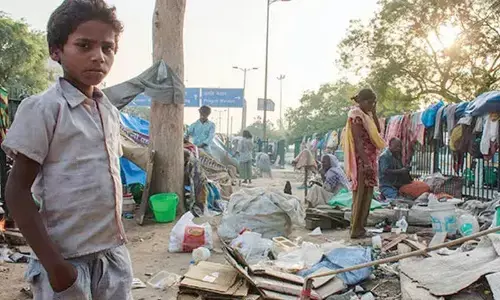
India continues to face an alarming rise in air- and water-borne diseases, driven by rapid urbanization, population growth, and environmental degradation. Recent estimates indicate that more than two million deaths in 2023 were linked to air pollution alone, reflecting a 43% increase from 2000 and emphasizing the urgency of intervention. Water-borne illnesses remain equally devastating, causing nearly one million deaths annually and affecting more than 37 million people. Diarrheal diseases continue to claim approximately 1.5 million children each year. Together, acute respiratory infections and diarrheal diseases represent a major portion of the national disease burden, highlighting the need for systematic solutions and innovative technologies.
Why Air- and Water-Borne Diseases Require Immediate Action
The impact of air- and water-borne diseases in India extends far beyond public health. High morbidity rates lead to significant economic losses, reduced national productivity, and long-term social consequences. Socio-economic conditions such as densely populated cities, inadequate sanitation, and limited healthcare accessibility intensify the spread of pollutants and pathogens. Air pollution death rates currently exceed 186 deaths per 100,000 people—nearly ten times higher than in many high-income countries. Similarly, frequent outbreaks of water-borne diseases stretch the capacity of healthcare systems and disproportionately affect vulnerable communities, particularly children and the elderly.
Given the magnitude of the challenge, India requires multidisciplinary approaches that not only treat health problems but also prevent them at their environmental roots.
The Role of Biotechnology in Environmental Solutions
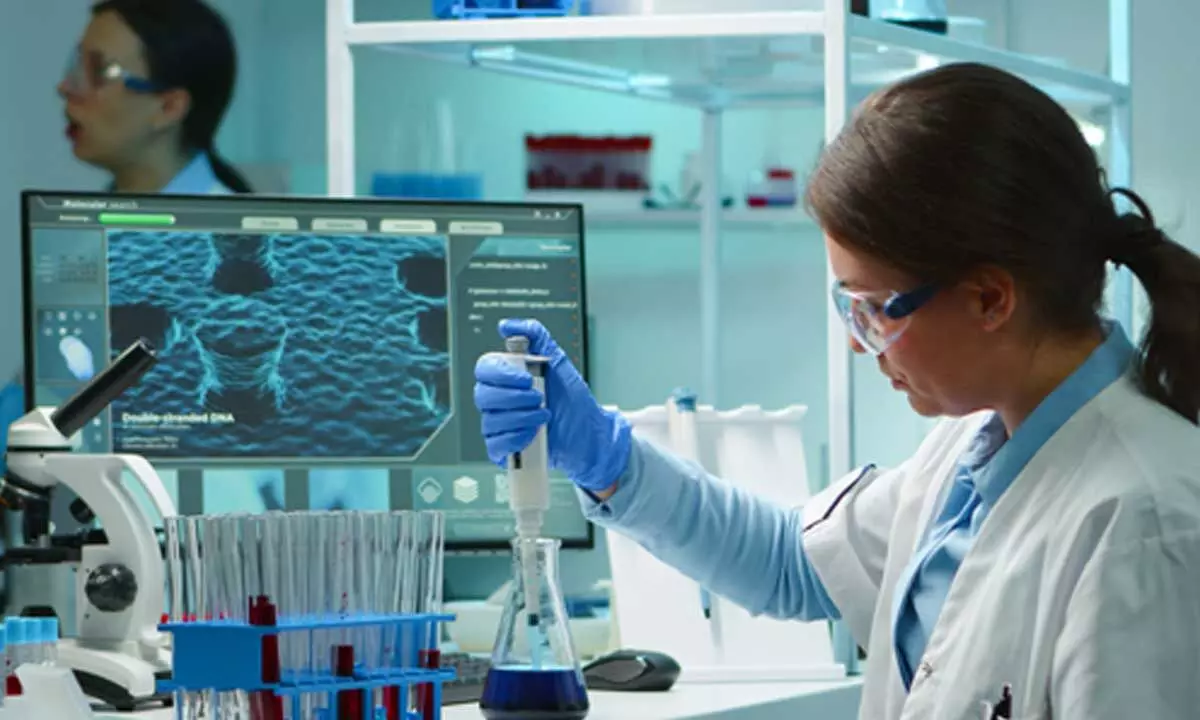
Biotechnology offers powerful tools for combating environmental pollution and reducing disease risks. Modern biotechnological methods—including bioremediation, biofiltration, phytoremediation, and advanced water treatment—offer sustainable alternatives to traditional chemical-based approaches.
Bioremediation uses engineered or naturally occurring microorganisms to degrade pollutants in soil, water, and air, significantly reducing ecological harm. Biofiltration systems employ microbial communities to remove contaminants from emissions or indoor environments and can be scaled for industrial or residential use. Phytoremediation, which uses plants and associated microbes to detoxify pollutants, contributes to cost-effective and eco-friendly water treatment.
Beyond pollution control, environmental biotechnology contributes to broader sustainability goals. It enables the development of drought-resistant crops, biodegradable plastics, biofuels, and innovative carbon-capture systems—all essential for strengthening India’s resilience to climate change.
Learning Biotechnology to Mitigate Air Pollution
Biotechnology education equips students with practical skills to develop new strategies for air-quality management. An emerging example involves the use of bioenzymes in Delhi, where pilot projects reported reductions of up to 65% in PM2.5 and PM10 levels after spraying bioenzyme solutions. These biological agents act on pollutants through microbial and enzymatic pathways, offering a greener alternative to chemical dispersants.
Another notable innovation comes from uBreathe, a startup incubated at IIT Ropar. Its plant-based air purifiers use proprietary biofiltration methods that enhance pollutant absorption by up to 500-fold compared to conventional indoor plants. Such technologies demonstrate how biotechnology-driven solutions can be integrated into households, workplaces, and industrial setups.
Government adaptation plans increasingly recognize the importance of biotechnological tools in reducing air-pollution-related mortality. With sustained application, these innovations could help prevent more than one million premature deaths in the coming decades.
Learning Biotechnology for Water Purification
Biotechnology is equally transformative in water purification and wastewater treatment. Phytoremediation-based systems, where plants and microbiota absorb and degrade toxins, are being adopted in various regions. Educational field visits for biotechnology students in Gorakhpur highlight the effectiveness of such eco-friendly sewage treatment models.
Soil Biotechnology (SBT)—a decentralized wastewater treatment method—has gained prominence through successful installations like the Lodhi Garden plant in Delhi. These systems utilize plant-soil-microbe interactions to purify wastewater for reuse, thereby reducing environmental contamination.
National sanitation programs have increasingly relied on biotechnological applications. According to WHO estimates, the Swachh Bharat Mission prevented more than 300,000 water-borne disease deaths between 2014 and 2019 by improving sanitation and promoting the use of biological waste-treatment solutions. Concurrently, research at ICMR-NICED on micronutrient supplementation demonstrates how biotechnology supports both water purification and health intervention strategies.
Future Directions in Biotechnology
The future of biotechnology in India promises significant advancements across health, agriculture, and environmental management. Key emerging areas include:
● Advanced diagnostics using PCR, sequencing, and molecular assays for early detection of infectious diseases.
● Genetically engineered crops and microbes that strengthen food security and support climate resilience.
● CRISPR and gene-therapy innovations targeting genetic disorders and drug-resistant infections.
● Biotechnological solutions for carbon capture, renewable energy, and waste recycling, reshaping India’s environmental sustainability efforts.
Investing in these domains can dramatically boost India’s ability to respond to public-health crises and environmental challenges.
Overcoming Challenges in India’s Biotechnology Sector
Despite its promise, the biotechnology sector faces obstacles such as regulatory delays, fragmented infrastructure, limited funding for scale-up, and a shortage of skilled professionals. Outdated regulations slow approvals for emerging technologies like CRISPR and gene therapy. Startups often struggle to secure mid-stage funding, hindering commercialization. Additionally, inadequate collaboration between academia and industry leads to research that does not always meet market or societal demands.
To address these issues, India must establish streamlined regulatory frameworks, strengthen biotech manufacturing zones, expand intellectual property support, and promote skill development through industry-academia partnerships.
Conclusion
A biotechnology degree equips students with the scientific understanding and technical expertise needed to address India’s urgent challenges of air pollution, water purification, and disease control. By merging genetic engineering, microbial biotechnology, and environmental sciences with emerging fields like synthetic biology and bioinformatics, graduates can design innovative, sustainable solutions. Strengthening regulatory systems, infrastructure, and research ecosystems will further unlock the full potential of biotechnology, helping India move toward a healthier and cleaner future. The author is Head -Department of Biotechnology, KL Deemed to be University.