The importance of protein for children’s growth & development

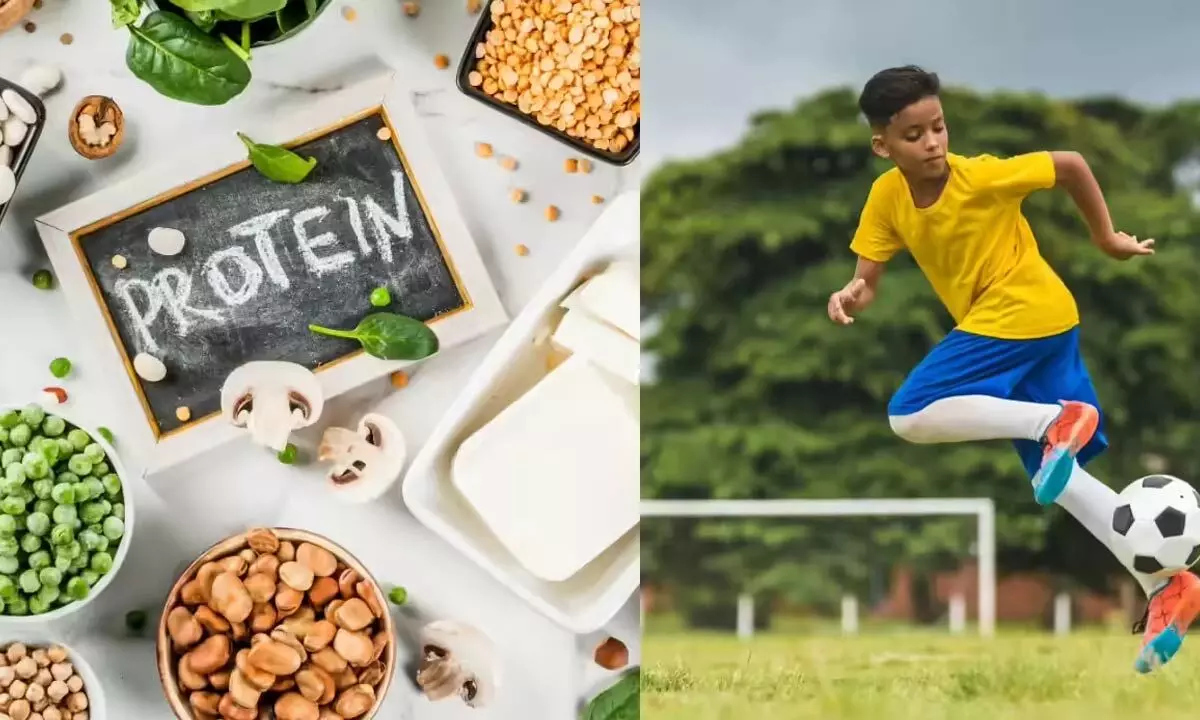
Protein plays a vital role in a child’s growth, development, and overall health. As one of the essential macronutrients, protein supports the building and repair of tissues, the development of muscles, and the proper functioning of the immune system. Creating awareness about the importance of protein in children’s diets is crucial, especially during their formative years when rapid physical and cognitive development takes place.
Proteins are made up of amino acids, often referred to as the building blocks of the body. For growing children, these building blocks are necessary for developing strong muscles, healthy skin, hair, and nails. Protein also contributes to the production of enzymes and hormones that regulate important bodily functions.
Adequate protein intake supports brain development as well. Children require balanced nutrition to maintain concentration, memory, and energy levels throughout the school day. A diet that includes sufficient protein can help sustain energy, prevent fatigue, and support active participation in academic and physical activities.
Including a variety of these foods in daily meals ensures children receive both quality and quantity of protein. For vegetarian families, combining different plant-based protein sources can provide essential amino acids required for healthy growth.
Raising awareness about protein intake encourages healthier food choices at home and in schools. When children receive adequate nutrition, they are better equipped to grow, learn, and thrive, laying a strong foundation for lifelong health and well-being.