The end of registered post: The seal of trust now lives in memories

The chime of the postman’s bicycle bell, the anticipation of letters peeking from his bag, and the thrill of signing for a registered post—those moments are etched in the hearts of Indians like an era, which sadly is coming to an end.
The chime of the postman’s bicycle bell, the anticipation of letters peeking from his bag, and the thrill of signing for a registered post—those moments are etched in the hearts of Indians like an era, which sadly is coming to an end.
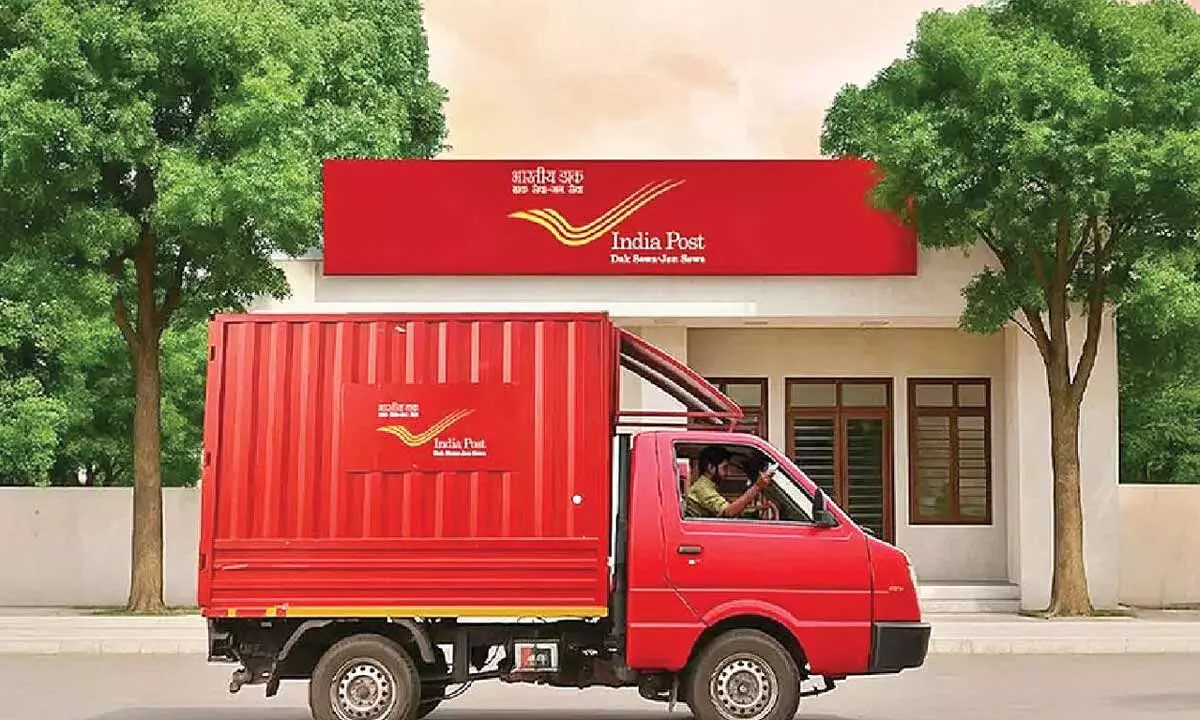
The Indian Postal Department has decided to discontinue its 50-year-old registered post service from September 1, merging it into Speed Post. This is not merely the end of a service, but the closure of a history tied to the emotions, memories, and the trust of millions. Registered post, once the carrier of appointment letters, legal notices, or loved ones’ messages, will now fade into memories.
The history of registered post dates to the British era, introduced for the secure delivery of important documents. Known for its reliability and legal validity, documents sent through it were accepted as evidence in courts. According to the Indian Postal Department’s 2024-25 report, nearly 98 million registered post items were sent nationwide, reflecting its widespread popularity. The acknowledgment of delivery feature, with the recipient’s signature confirming receipt, made it even more trustworthy. In that era, the postman was no less than a messenger, delivering letters of joy, hope, or sorrow to every doorstep.
The digital age and the growing influence of private courier services have compelled the postal department to reorganize its operations. The government argues that merging registered post with Speed Post (launched in 1986) will enhance efficiency, improve tracking, and provide faster service. It offers international delivery to over 230 countries, whereas registered post’s tracking was limited and primarily effective for domestic deliveries.
However, this change will inevitably impact the common person economically. The starting fee for registered post was ₹25.96, with an additional ₹5 per 20 grams. In contrast, Speed Post begins at ₹41 for up to 50 grams, 20-25% more expensive. In rural India, where 89 per cent of the 1.56 lakh post offices (2025, Indian Postal Department) are the primary means of communication, this change could burden small traders, farmers, and ordinary citizens.
The emotional impact of this decision is profound. The younger generation, accustomed to digital communication, may see this as routine, but for the older generation, registered post was part of their life’s stories; it was a bridge of emotions.
This change is a step toward modernising the postal department. Can Speed Post fully replace the trust and affordability of registered post? Will rural India embrace this change seamlessly? Well, only time will tell. The end of registered post is not just the closure of a service; it is the end of an era that was woven into the soul of Indian postal history.
Prof R K Jain,Barwani (MP)