Building bridges of trust across languages

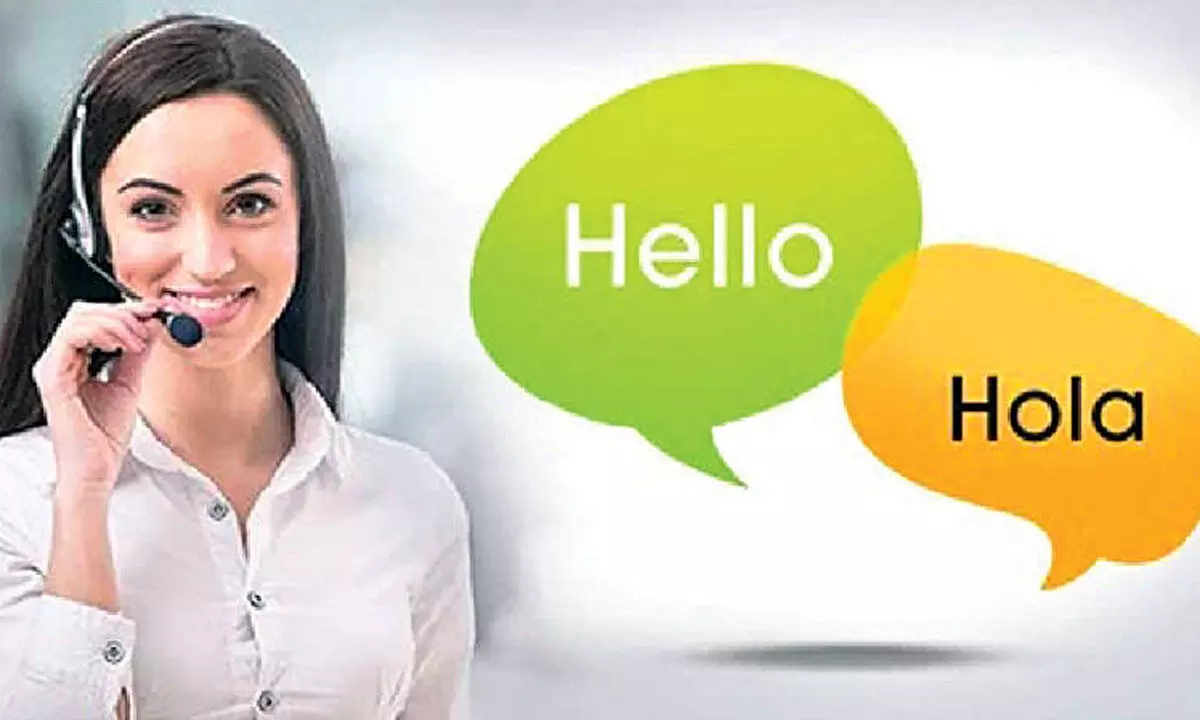
Translation has always been more than the transfer of words from one language to another—it is the bridge that connects cultures, ideas, and people. In a world that is increasingly globalized and dependent on cross-border communication, the theme “Translation: Shaping a Future You Can Trust” underscores the critical role that human translators and interpreters play in fostering understanding and trust across societies. While machine translation and AI tools have grown in popularity, human translators remain essential for accuracy, nuance, and context. Language is deeply tied to culture, emotion, and meaning; literal translations often fail to capture the subtleties that shape understanding. A skilled translator ensures that intent, tone, and cultural references are preserved, building trust between speakers of different languages. This trust is particularly vital in areas such as diplomacy, healthcare, law, business, and education, where the stakes of miscommunication are high.
Interpreters, too, play a vital role in real-time communication. Whether it is at international conferences, humanitarian missions, or community services, interpreters ensure that every voice is heard and understood without distortion. They make conversations equitable and inclusive, ensuring that no participant is excluded because of language barriers.
Beyond accuracy, translation and interpretation also nurture empathy. By opening windows into other cultures, they help dismantle stereotypes and foster respect. Literature, films, and media translated across languages allow people to experience stories, traditions, and perspectives different from their own, creating a sense of shared humanity.
In the future, translation will continue to evolve alongside technology. However, the role of human translators will remain central to ensuring credibility, ethics, and cultural sensitivity. Machines can process data, but only humans can fully interpret emotion, irony, and context.
Ultimately, translation is about building bridges of trust. It shapes a world where understanding prevails over division and where communication becomes a source of unity rather than conflict.