Encouraging teens to embrace physical activity for a healthier mind and body

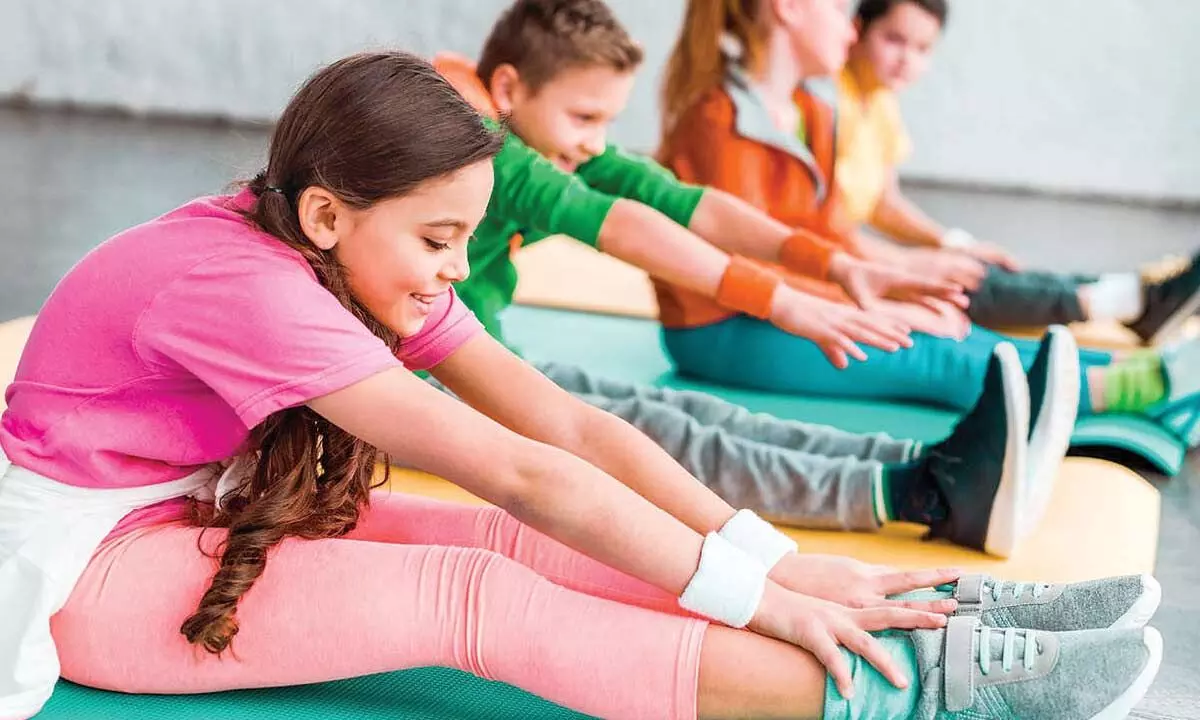
Exercise for teens plays a vital role in their overall well-being. While staying physically active is essential for maintaining a healthy weight, the benefits extend far beyond appearance. Regular exercise improves mental health, sharpens memory, and helps in managing stress and anxiety. Encouraging teens to participate in physical activities not only strengthens their bodies but also builds resilience, confidence, and lifelong healthy habits. One of the most important benefits of exercise is its impact on mental health. During adolescence, teens face academic pressure, social challenges, and emotional changes that can lead to stress and anxiety. Physical activity helps release endorphins—natural chemicals in the brain that boost mood and reduce feelings of worry or sadness. Activities like cycling, swimming, or playing a team sport can help teens process emotions and cope with stress in a healthy way.
Exercise also improves cognitive functions, such as memory and concentration. Studies have shown that teens who regularly engage in physical activities perform better in school because exercise increases blood flow to the brain, promoting clearer thinking and sharper focus. When teens are physically active, they also sleep better, which further supports brain development and emotional regulation. Beyond mental health, exercise teaches teens how to control unhealthy habits. Staying engaged in sports or fitness routines helps them make positive choices regarding diet, sleep, and screen time. It offers a structured way to channel energy and keep away from harmful behaviors such as substance abuse or excessive gaming. Teens who participate in group activities also learn important life skills like teamwork, discipline, and goal-setting.
Self-esteem and body image are other areas where exercise makes a significant difference. As teens grow, they become more aware of their physical appearance and may struggle with confidence. Achieving fitness goals, mastering new skills, and improving physical strength can instill a sense of accomplishment and pride. Encouragement from peers, parents, and coaches helps teens feel valued and supported, reducing feelings of inadequacy.
Parents, teachers, and mentors can help teens embrace an active lifestyle by making exercise fun and accessible.
Encouraging activities they enjoy—whether it’s dance, martial arts, or hiking—creates a positive association with movement. Setting realistic goals and celebrating progress, no matter how small, reinforces their motivation. It’s also helpful to create opportunities for group participation, where teens can connect with friends and share experiences.
In today’s digital world, where screen time often replaces physical play, promoting exercise as a fun, engaging, and essential part of life is more important than ever. Teens need to understand that being active is not just about fitness; it’s about feeling good mentally and emotionally, gaining self-confidence, and preparing for a healthier future.
Encouraging teens to exercise regularly lays the foundation for lifelong habits. By focusing on both the physical and mental benefits, we empower them to build resilience, stay motivated, and take charge of their health with confidence and joy. Exercise isn’t a chore—it’s a gateway to a happier, healthier, and more fulfilling life.