Generative AI: The next educational revolution

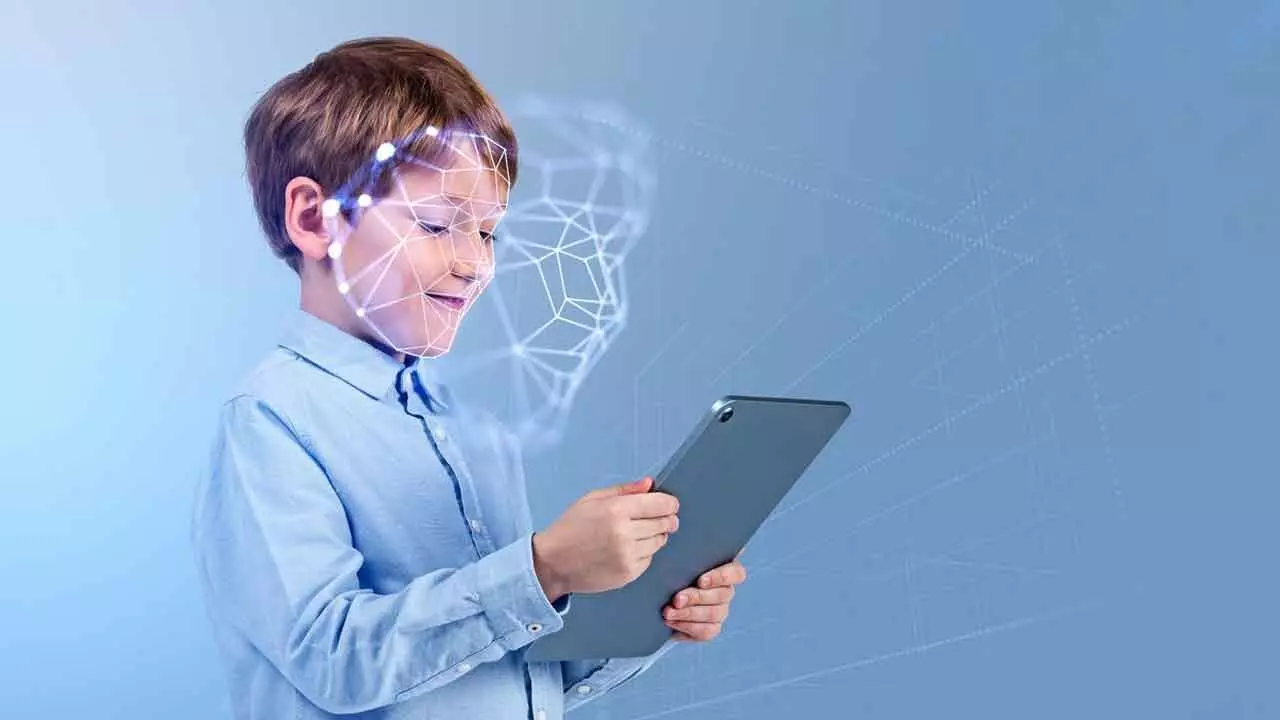
From the printing press to digital learning, education has evolved—but Generative AI is taking it to the next level. Imagine interactive textbooks, AI tutors, and real-time adaptive learning tailored to your needs. With AI-driven translation, personalized lesson plans, and immersive virtual classrooms, learning is more engaging and accessible than ever. This article explores how Gen AI is transforming education, making knowledge limitless for learners worldwide
Education is undergoing a seismic shift with Generative AI. No longer limited to static content, students can now engage in real-time conversations with AI-powered tutors, receive personalized lessons, and explore immersive learning through AR and VR. This revolution is breaking down barriers, enhancing engagement, and democratising access to knowledge. Discover how AI is shaping the future of learning, making education more dynamic, inclusive, and effective than ever before
For centuries, knowledge was preserved and passed down through oral traditions, often losing accuracy with each retelling. The invention of the printing press in the 15th century by Johannes Gutenberg revolutionized learning by making knowledge accessible at scale, allowing people to read directly from the source without relying on intermediaries.
Today, Generative AI (Gen AI) marks a similarly transformative moment in education, reshaping how we learn, interact with information, and acquire new skills. Imagine that now you can not only read a book as written but also interact with it—asking questions, seeking interpretations, and engaging in a conversation as if talking with the author. This fundamentally reshapes how we learn, interact with information, and acquire new skills, making education more dynamic and interactive than ever before.
Personalised learning experiences
Traditional e-learning platforms often struggle with low completion rates due to a lack of engagement and real-time support, with a Harvard Business Review study revealing that nearly 40% of students in online courses drop out as a result. Gen AI is changing this by enabling adaptive learning experiences that tailor content to individual progress, strengths, and weaknesses. AI-driven platforms can assess a learner’s understanding and dynamically adjust lesson plans, ensuring that students receive the most relevant and effective instruction. If a learner struggles with a concept, AI can provide alternative explanations, suggest targeted exercises, or even generate personalised quizzes
Bridging learning gaps
A major challenge in online learning is the inability to ask real-time questions and receive immediate feedback. Gen AI overcomes this by acting as an always-available tutor. Unlike static courses, where learners may drop out if they get stuck, AI-powered assistants can provide instant clarifications, summarize key concepts, and even simulate conversations with historical figures or domain experts. This accessibility significantly reduces learning gaps and improves retention.
Democratising education
One of the most profound impacts of Gen AI is its ability to break down language and accessibility barriers. AI-powered translation and text-to-speech tools enable learners to access educational content in their native languages, ensuring that knowledge is not restricted by linguistic limitations. Imagine a scenario where a Bengali-speaking student wants to study Plato’s philosophy, originally written in Greek. With AI-driven translation and conversational interfaces, the student can not only read a translated text but also interact with an AI model trained on Plato’s works, asking nuanced questions and gaining a deeper understanding in their own language.
The future of AI-powered learning
The advancements in generative AI extend beyond text-based learning. AI-driven video generation tools are making it possible to create real-time educational videos tailored to specific topics. In the near future, a learner might simply ask, “Explain quadratic equations,” and an AI model could generate a high-quality video with step-by-step explanations, complete with interactive elements.
Furthermore, AI-driven virtual teachers in Augmented Reality (AR) and Virtual Reality (VR) environments could create immersive learning experiences. A Gartner report estimates that by 2026, over 50% of students worldwide will have access to AI-driven virtual tutors and VR-based learning environments. Imagine putting on VR goggles and entering a classroom where a lifelike AI instructor walks you through complex mathematical concepts on a virtual blackboard. This technology could make personalized, interactive education a reality for students around the world.
Conclusion
Generative AI is redefining the way we acquire knowledge, offering personalised, interactive, and accessible learning experiences. From adaptive learning paths to AI-driven tutors, from language translation to virtual reality simulations, the potential of AI in education is boundless. Just as the printing press democratized knowledge centuries ago, Gen AI is paving the way for a future where education is more engaging, inclusive, and effective than ever before. As organisations and institutions integrate AI into learning methodologies, the key will be to refine AI models for accuracy and effectiveness. With the right approach, Gen AI has the power to transform education at an unprecedented scale, making learning truly limitless.
(The author is Founder & CEO – CloudThat)