The new education playbook: Teaching for a human-first future


With AI rising, India’s classrooms are embracing empathy, communication, and adaptability as core skills for tomorrow’s leaders
For years, school and education was all about grades, marks, and learning facts in a rut. But the world has evolved, and honestly, the old and traditional way just doesn’t work anymore. These days, it’s not about how much you can memorize, it’s about how well you can think on your feet, adapt, and connect with people.
We’re in an age where just knowing technical things isn’t enough. Sure, machines can process numbers, follow rules, and even develop creative ideas if you ask them the right way. But they can’t feel empathy or build trust. They don’t know how to lead with the right emotion and thought. Those are the things that’ll really matter for tomorrow’s leaders, and Indian education is just beginning to catch on.
Human-centric learning is on the rise
Walk into a classroom now and you’ll see the shift. The focus is moving away from memorizing and toward making sense of what they are learning. Teachers want students to talk, work together, and actually solve problems, not just repeat answers. The “soft skills” like communication and teamwork are finally getting the spotlight they deserve. Students are getting more chances to think for themselves and speak up. This builds their confidence, empathetic skills and the flexibility to manage in unpredictable environments.
Use of technology but with a human purpose
AI and digital tools have taken over how students learn, but what’s important is for them to use it wisely and with caution. Data can show you how fast a kid is picking things up, or where they’re stuck, but it takes a teacher to understand what’s really going on.
Tech should boost what teachers do, not try to replace them. Used right, it can personalize learning, spot gaps, and give teachers more time to actually mentor and support their students emotionally. Striking the right balance between real human connection and slick tech will shape what education means from here on out.
Learning that feels like real life
One of the coolest changes happening in India’s schools is this move toward hands-on, real-world learning. Case studies, simulations, role-playing, problem-solving; they’re all showing up in classrooms now.
This way, students learn to handle uncertainty, something no textbook can really teach. They pick up skills like listening, negotiating, and all things you need in a world where tech is always changing. The classroom is no longer a place to simply load information; it is becoming a training ground for making decisions and building emotional intelligence.
Learning as a life long skill
Another big shift is that people are not stopping at a degree anymore. Continuous learning is the new normal. With new technologies and job demand expectations, continuous learning cannot be ignored.
Flexible courses, part-time classes, and online learning let people educate themselves with new skills without hitting pause on their lives. This mindset is keeping them open to learning which makes future employees not just more skilled, but more resilient and ready for change. That kind of attitude can make entire organizations stronger.
A human future in an AI world
India’s always been full of thinkers, problem-solvers, and storytellers. As automation keeps moving forward, those very human strengths just become more important. The real challenge now is to make sure schools and colleges grow those strengths, instead of just chasing efficiency.
Empathy, communication, leadership, creativity skills; they’re actually the hardest to teach and the hardest for machines to fake. When a student learns to speak clearly or chooses empathy over winning, they are not just picking up a skill; they are learning how to keep their humanity in a digital world.
In that way, rethinking education is not just making some tweaks in the curriculum or reforming schools. It is about reimagining what it means to learn, so even if digital tools such as AI come off as smarter, we hold on to the intelligence that makes us human.
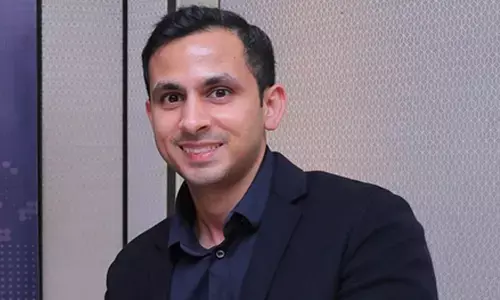
(The author is Co-founder & COO of Oratrics)