Beary language at risk, warns Literary Meet chief

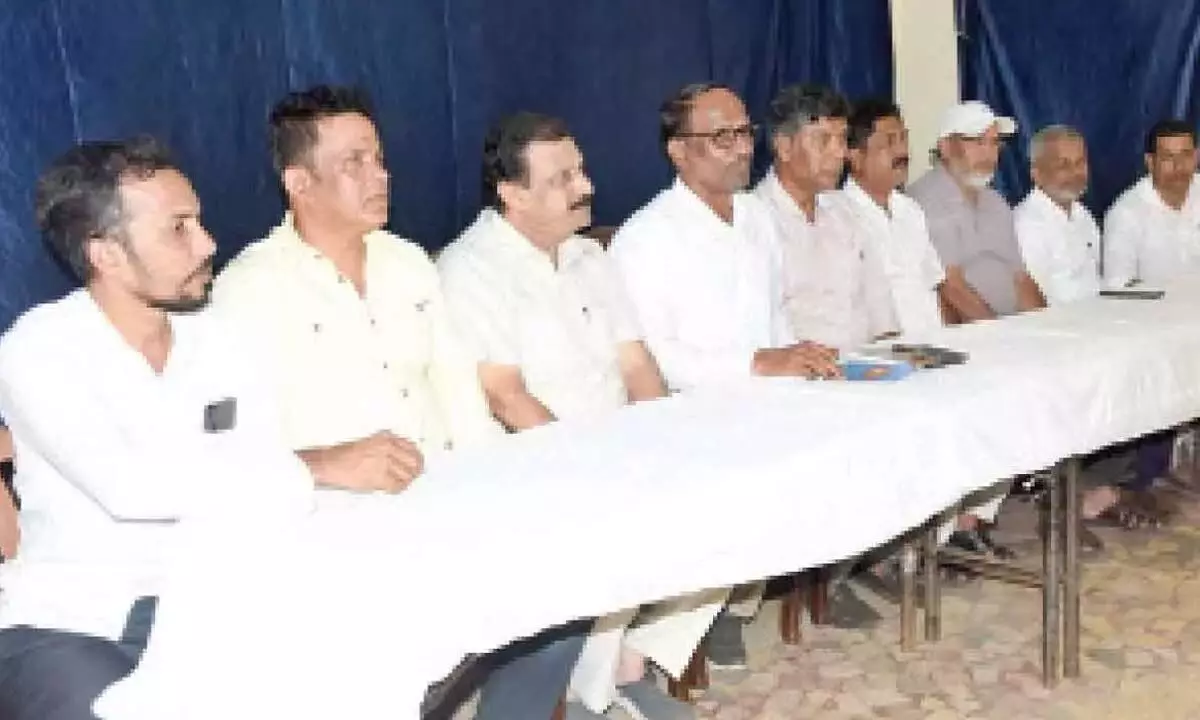
Mangaluru: The Beary language faces an existential challenge unless the community and the state act together to protect and promote it, said Abdul Rahiman Kuttethuru, President of the Beary Literary Meet, while addressing a major literary gathering in Mangaluru on Sunday.
Speaking at the Mangaluru Taluk-level Beary Literary Meet organised by the Karnataka Beary Sahitya Academy, he said language and culture are inseparable and warned that erosion of the mother tongue would ultimately weaken Beary cultural identity.
Tracing the evolution of Beary, he said the community has lived along Karnataka’s coast for over 1,500 years, developing a unique linguistic and cultural tradition despite influences from Tulu, Kannada and Arabic. Scholars, he noted, have identified Beary as an independent Dravidian language, though its lack of an early script delayed literary growth.
A major turning point came in the late 1990s with the emergence of organised literary conferences and later with the formation of the Karnataka Beary Sahitya Academy in 2007. Since then, the academy has facilitated dictionaries, grammar books, translations of classics, folk literature collections and research publications, giving Beary literature academic legitimacy.
Rahiman said Beary literature has expanded beyond poetry into novels, drama, criticism, cinema and music, reviving folk traditions such as wedding songs and ritual music. He highlighted the growing contribution of women writers and artistes, describing it as one of the most encouraging developments.
However, he expressed concern over declining everyday use of Beary due to urbanisation, modern lifestyles and preference for dominant languages. “Many traditional Beary words are disappearing. What remains is also under threat,” he cautioned.
Outlining future priorities, he demanded the establishment of a Beary Bhavan with a museum and research centre, inclusion of Beary as an optional language in schools, documentation of folk arts, and structured training for students in reading, writing and translation.
He also urged stronger media presence for Beary through Akashvani and Doordarshan and greater involvement of Beary organisations abroad in promoting language and culture. “The responsibility of preserving Beary rests first with its speakers,” he said, calling upon families to speak the language at home and inspire children to take pride in their linguistic heritage.