Caste census portends legal challenge in HC over sub-caste classification


Bengaluru: Even before the Karnataka government could roll out its ambitious caste census from September 22, the exercise has run into a major controversy. Allegations of artificially creating new sub-castes have triggered widespread anger, and two Public Interest Litigations (PILs) have now been filed in the Karnataka High Court seeking to quash the caste census.
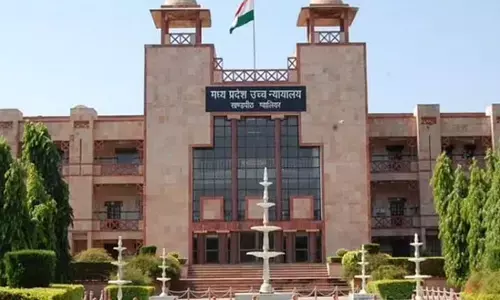
Advocate K.N. Subba Reddy and others have approached the High Court, accusing the government of sowing further division among communities by recognizing sub-castes as independent identities. The petitioners argued that conducting a caste census is constitutionally under the purview of the Union government, not state governments, and hence the state’s decision must be struck down.
The petition further alleged that the Siddaramaiah government is rushing through the process within 15 days, even during the Dasara holidays when people remain preoccupied with festivals and agricultural work. According to the petitioners, such timing and speed will compromise the accuracy of the enumeration exercise. More controversially, the government’s handbook on the caste census lists nearly 1,500 sub-castes, many of which include Christian categories appended to traditionally Hindu communities. The classification mentions groups such as Kuruba Christians, Brahmin Christians, Devanga Christians, Jangam Christians, Madivala Christians, Nekara Christians, Vishwakarma Christians, and even Vokkaliga Christians.
This categorization has sparked outrage across the state, with critics accusing the government of attempting to “insert Christian identity within Hindu castes.” Social Justice Awareness Forum has announced statewide protests under the banner “Conspiracy of injecting Christian identity into Hindu castes.” The group has already planned a public meeting in Bengaluru on September 16, calling on communities to oppose the move.
Chief Minister Siddaramaiah had earlier defended the caste census as necessary to ensure equitable distribution of resources and reservation benefits.