Codavas seek distinct census recognition to preserve identity

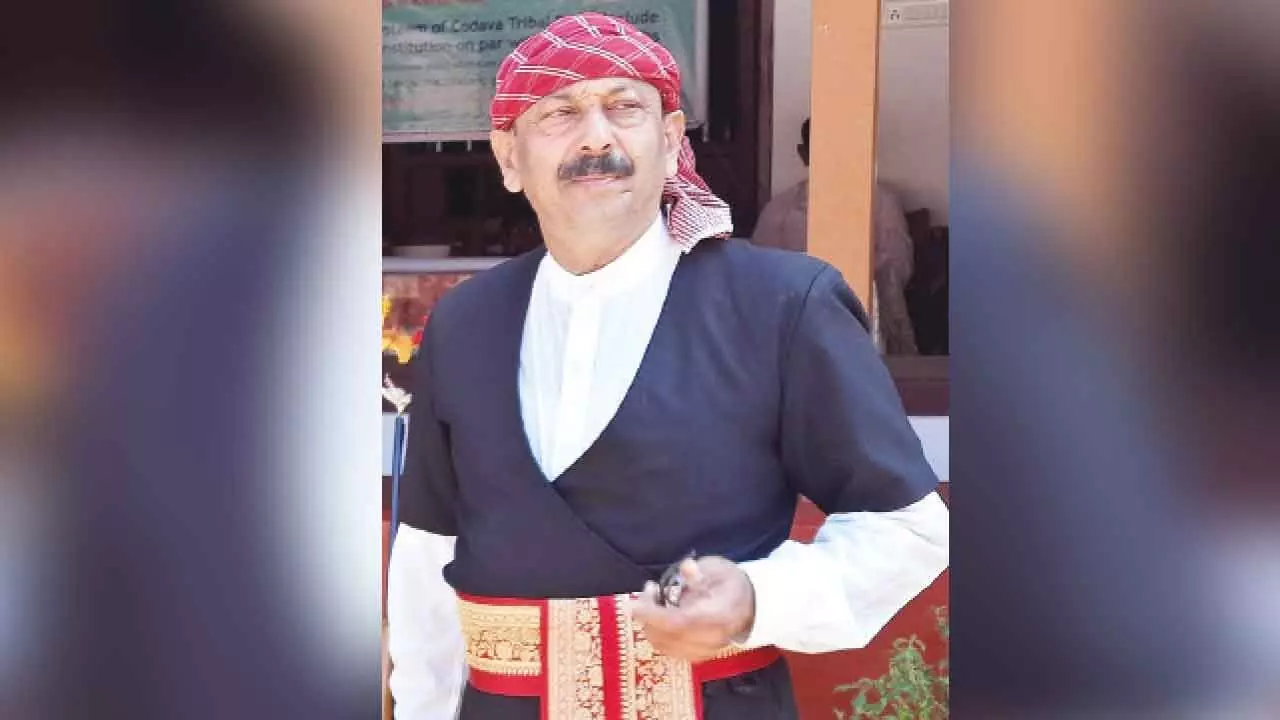
Community presses for statutory ratification of unique animistic traditions
Madikeri: The Codava community has renewed its call for recognition as a distinct ethnic group in the upcoming caste census, describing it as essential for preserving their cultural heritage and securing constitutional protection.
The Codavas, an indigenous community of Kodagu, trace their traditions to animistic practices rooted in reverence for nature. Their spiritual cycle revolves around the River Cauvery and encompasses worship of sacred groves, burial grounds, ancestral spirits, and symbolic weapons. Historical documents, including the first national census of 1871–72 and 18th-century records such as Lingaraja’s “Hukumnaama,” recognised them as a separate race.
Community representatives say entry of “Codava” as a distinct category in the census will provide statutory ratification of their identity, paving the way for political representation in future delimitation exercises and greater socio-economic empowerment.
The Codavas emphasise that their demand is not intended to disrupt the country’s religious fabric but to safeguard their heritage, much like other indigenous groups such as the Santhals or the Yezidis who maintain distinct ritual cycles. Comparisons have also been drawn with global practices where natural sites like the Jordan River, Zamzam Well, or Mount Kailash hold sacred significance.
In Kodagu, Codavas have historically administered religious sites belonging to different faiths, including Sufi dargahs and Hindu shrines, without diluting their own identity. They argue this underlines their ability to coexist while maintaining distinct customs.
As the Karnataka government prepares for the caste census and the Union government readies the 2026–27 national enumeration, the Codava community insists that statutory recognition is vital for their cultural survival and equitable participation in India’s democratic framework.