




- Dharavi rehabilitation construction starts officially with 'Bhoomi Poojan'
- Gujarat govt clears incentives for 25 industrial units with Rs 3,903 crore investment
- Ache Din for Delhiites? Central Delhi May Finally Be Free of Protests
- Denmark Open: Sindhu faces daunting An Se-young test; Satwik-Chirag set to return (Preview)
- Rahul Gandhi, 10 other INDIA bloc leaders file petition before SC against SIR of electoral rolls
- UP CM Yogi releases Rs 493 Crore subsidy to over 9 Lakh farmers hit by crop damage
- Newly elected Assam BJP MP rushes accident victim to hospital in his car
- No option but to meet Chief Justice of India: Karnataka CM Shivakumar
Karnataka High Court Intervenes To Halt Transport Strike Until August 7
In Short
Karnataka High Court bars transport union strike until August 7, warns of contempt action as bus services remain disrupted statewide while talks between unions and Siddaramaiah government stay deadlocked over salary demands.

Share :
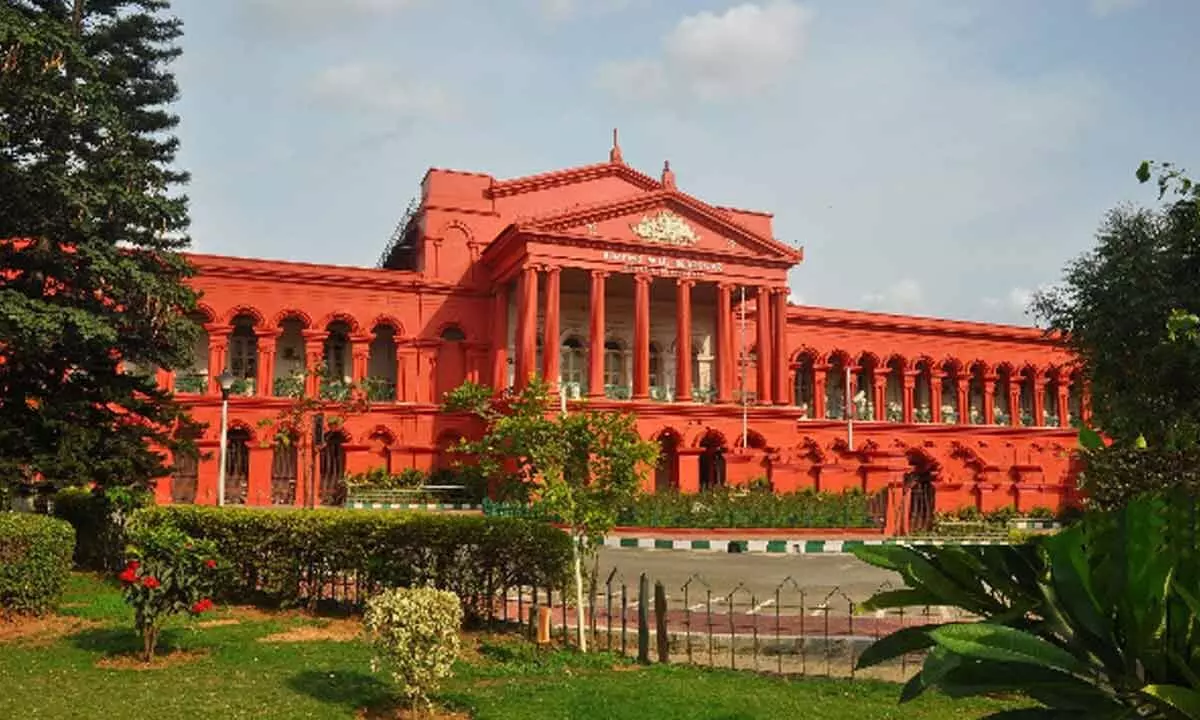
High Court of Karnataka
The Karnataka High Court delivered a decisive intervention on Tuesday by officially barring the ongoing transport workers' strike until August 7, issuing stern warnings of contempt proceedings against unions that continue the disruptive action. Chief Justice CM Joshi expressed strong displeasure with the transport unions for proceeding with their strike despite the invocation of the Essential Services Maintenance Act and previous court directions, calling the disruption of public services completely unacceptable.
The court's intervention came as the indefinite strike by employees of the Karnataka State Road Transport Corporations severely affected both inter-state and intra-state bus services across the state, creating significant hardships for commuters and the general public. The unions, representing KSRTC employees, claimed they had not received the court's earlier order, but the High Court firmly rejected this explanation as inadequate justification for continuing the disruptive action.
Justice Joshi demanded a comprehensive status report on the outcomes of meetings held between the state government and union representatives, emphasizing that if the strike continues beyond the court's directive, strict action must be taken under the Essential Services Maintenance Act. The court scheduled the next hearing for August 7, when the matter will be reviewed for further proceedings and potential resolution.
The strike has created widespread disruption across Karnataka, with visual evidence from major transportation hubs highlighting the severity of the situation. Shivajinagar Bus Stand in Bengaluru showed sparse services, while key transit points like Majestic Metro Station experienced heavy passenger rushes due to increased dependency on the Namma Metro system. The regions of Kalyana Karnataka and North-West Karnataka have been particularly hard hit by the transportation disruption.
State government officials attempted to minimize the impact by claiming that all Bangalore Metropolitan Transport Corporation buses were operational within Bengaluru city limits. However, district services operated at only 50 percent capacity, significantly affecting rural and inter-city connectivity. Transport Minister Ramalinga Reddy expressed optimism that normalcy would be restored by the afternoon and confirmed that a Public Interest Litigation had been filed regarding the strike situation.
The fundamental dispute centers around the transport employees' longstanding demand for a 25 percent salary increase over their base pay of Rs 1,124, along with payment of arrears accumulated over 38 months, which amounts to an estimated Rs 1,800 crore. This substantial financial demand has created a significant standoff between the unions and the state government, with both sides maintaining firm positions on their respective demands and offers.
Chief Minister Siddaramaiah attempted to resolve the crisis by offering arrears payment for 14 months and inviting the unions to call off their strike action. However, the unions firmly refused this compromise offer, arguing that their demand was entirely justified since employees had worked throughout all 38 months in question and deserved full compensation for their services during this period.
The Chief Minister pointed out that the previous BJP government had already approved a 15 percent salary hike and provided arrears covering the period from January 2022 to February 2023. He characterized the fresh demand for additional increases as excessive, particularly given the poor financial condition of the state transport corporations, though he maintained that the government remained open to further negotiations and discussions.
Deputy Chief Minister DK Shivakumar made emotional appeals to the striking employees, urging them to consider the significant hardship their action was causing to the general public and requesting their cooperation in finding a mutually acceptable solution. He emphasized the broader social impact of the strike and the need for public servants to prioritize citizen welfare in their decision-making process.
The strike has highlighted the ongoing financial challenges facing Karnataka's state transport corporations, which must balance employee welfare demands with operational sustainability and public service obligations. The substantial arrears amount of Rs 1,800 crore represents a significant financial burden for the state government, which must also consider its overall fiscal responsibilities and budget constraints.
The court's intervention reflects the judiciary's role in balancing workers' rights to protest with the essential nature of public transportation services. The Essential Services Maintenance Act provides legal framework for preventing disruptions to critical public services, and the High Court's firm stance demonstrates the legal system's commitment to protecting public interests during labor disputes.
With negotiations between the government and unions remaining deadlocked, the August 7 court hearing will be crucial in determining the next steps for resolving this transportation crisis that has affected millions of Karnataka residents and commuters.
Khammam MP Raghuram Reddy Participates in INDIA Bloc Protest Rally in Delhi
Dharavi rehabilitation construction starts officially with 'Bhoomi Poojan'
Riyadh airport attack: Embassy officials visit hospital, provide support to injured Indians
Piyush Goyal calls for doubling India-UK bilateral trade by 2030
Karnataka Congress Chief Alleges CJI Is Behaving Like a BJP Member
Rahul’s Big Claims: 200 Officers Feeding Him Information, Police and CRPF Backing Opposition; Protests to Intensify
Why Is CJI Not Meeting Us?” Congress Asks
Don’t Turn SC into a Political Battleground, CJI
‘Maan Na Maan,’ We Will March to SC. SIR Campaign Enters a New Political Phase
Fight the Government, Not the Common Man


