Bond: Celebrating friendship and support on raksha bandhan

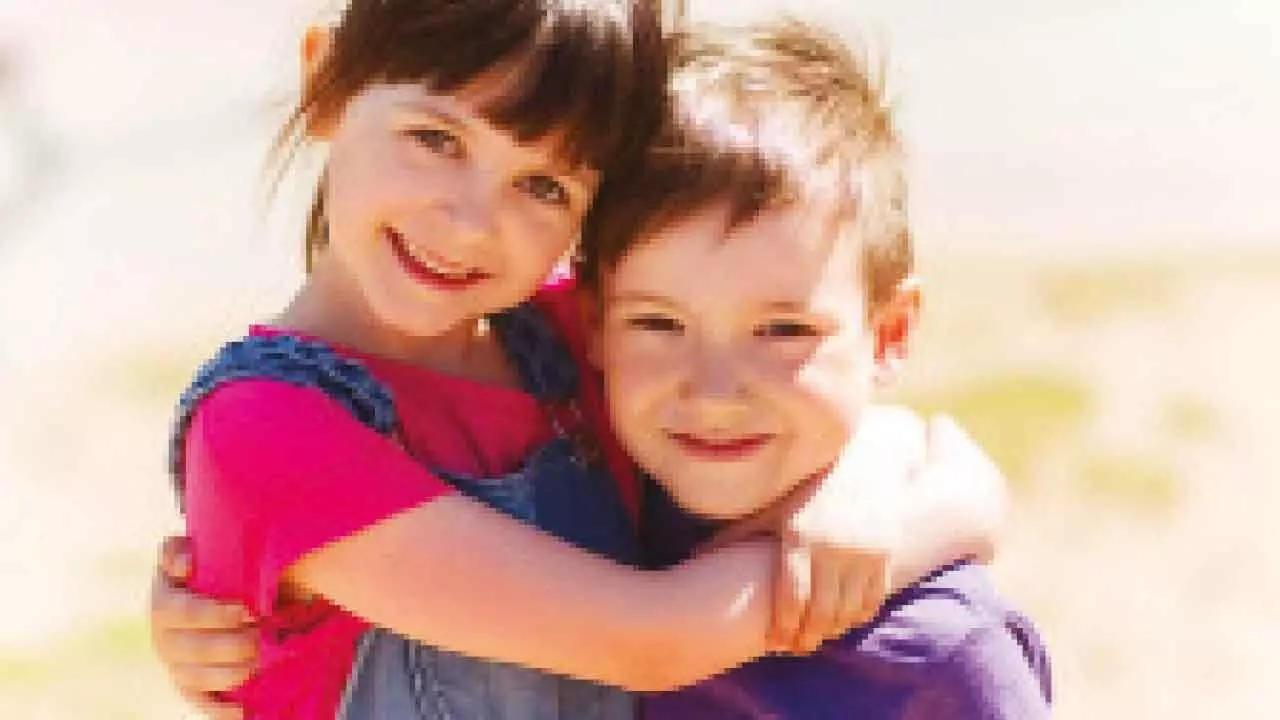
Raksha Bandhan, traditionally known as the festival that celebrates the sacred bond between brothers and sisters, has long held a special place in Indian culture. Marked by the ritual of sisters tying a rakhi (a symbolic thread) on their brothers’ wrists in exchange for promises of protection and care, the festival underscores familial love, duty, and togetherness. However, in today’s evolving social fabric, Raksha Bandhan has begun to transcend its traditional sibling boundaries.
This change is particularly evident among students and young people, who are reshaping the way the festival is understood and celebrated. In schools, colleges, and communities, the meaning of Raksha Bandhan is expanding — from a familial ritual to a broader celebration of care, support, and friendship. It’s a shift that is both heartening and meaningful, especially in a world where emotional support and empathy are more important than ever.
The festival’s evolving meaning
With changing family structures, increased interaction among diverse groups, and growing awareness of inclusivity, many young people are tying rakhis not only to their biological brothers but also to close friends, classmates, teachers, and even those who have stood by them in difficult times. It’s not uncommon to see girls tying rakhis to female friends or boys tying them to one another — reflecting mutual respect and a bond of trust rather than sticking to conventional gender roles or relationships.
This evolving practice highlights the core essence of Raksha Bandhan — protection, love, and mutual support — while embracing more inclusive and diverse expressions of those values.
A celebration of friendship and solidarity
For students especially, school life brings a unique set of emotional challenges and social dynamics. Amid academic pressures, peer influence, and the ups and downs of adolescence, friendships often become lifelines. Recognizing and celebrating those friendships on Raksha Bandhan brings added meaning to the occasion. It becomes a chance to appreciate those who’ve offered support, a listening ear, or simply shared laughter during stressful times. Schools have increasingly started promoting inclusive Raksha Bandhan celebrations. Children are encouraged to tie rakhis to anyone they consider special or supportive. These practices foster empathy, inclusiveness, and emotional intelligence among young learners — values that extend far beyond the classroom.
Beyond religion and gender
Raksha Bandhan’s flexible symbolism makes it an ideal festival to encourage unity across diverse groups. In many parts of India, it has been used to promote communal harmony, peace, and social bonding. Students in multi-religious or multicultural environments often take this opportunity to strengthen cross-cultural friendships and highlight shared human values.
Importantly, this celebration beyond bloodlines also allows students from non-traditional families — such as those without siblings, or those raised by single parents — to participate fully and meaningfully. It redefines the idea of “protection” not as a duty based on birth or hierarchy, but as an act of mutual care and responsibility.
A thread that connects all
At its core, Raksha Bandhan is a reminder that relationships built on trust, empathy, and kindness are worth celebrating. While the traditional image of a sister tying a rakhi to her brother remains central to many households, there is increasing recognition that these values are universal and can be honored across all kinds of relationships. By embracing this broader view of Raksha Bandhan, students are not just keeping a tradition alive — they are also giving it new relevance and heart. In a world that often feels divided, a simple rakhi tied in friendship can be a powerful gesture of unity, care, and hope.
“Bond Beyond Blood” is not just a modern twist on Raksha Bandhan; it is a meaningful expansion of its original message. As students lead the way in celebrating this festival with friends, peers, and even mentors, they show that protection and support are not limited by family ties. In doing so, they are crafting a more inclusive, compassionate, and connected future — one thread at a time.