Chhath Puja 2025: Dates, Shubh Muhurat, Significance, and Rituals to Celebrate the Four-Day Festival of the Sun God

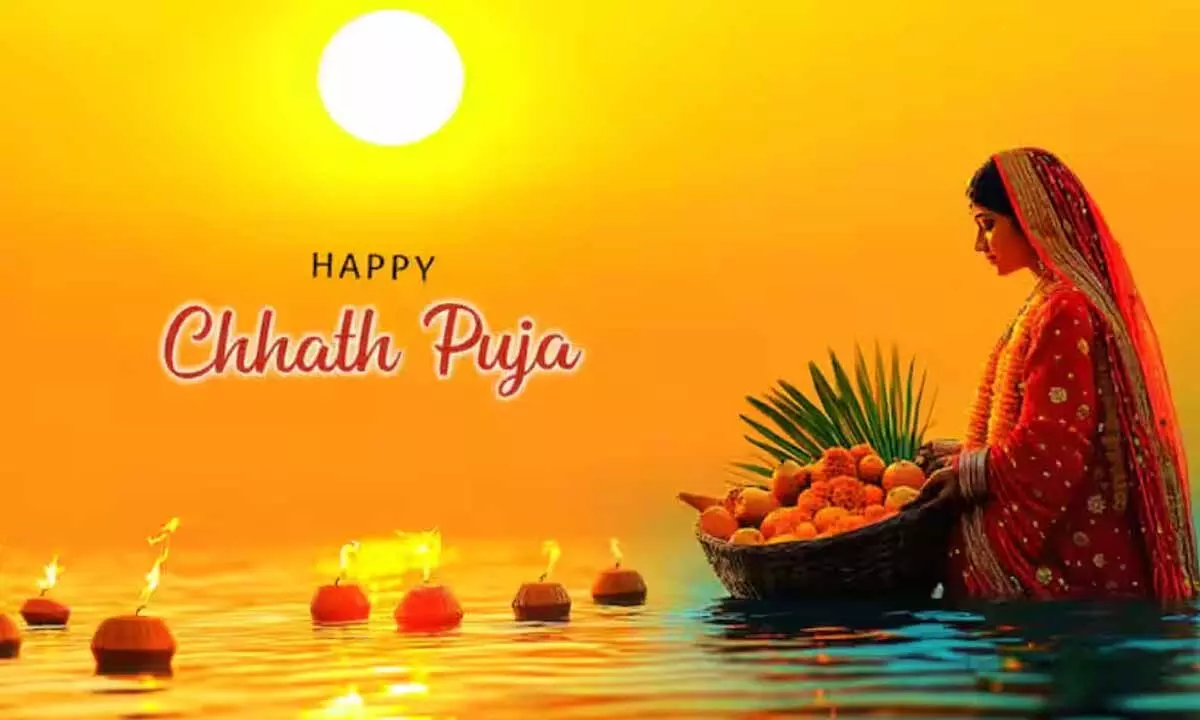
Chhath Puja 2025 will be celebrated from October 25–28, honouring Surya Dev with fasting, prayers, and sacred riverbank rituals.
After the grandeur of Diwali, devotees across India are preparing to celebrate Chhath Puja 2025, a festival deeply rooted in devotion, purity, and gratitude toward the Sun God—Surya Dev. Observed mainly in Bihar, eastern Uttar Pradesh, Jharkhand, and parts of Nepal, the festival will take place this year from October 25 to October 28, marking four days of disciplined fasting, prayers, and offerings to the setting and rising sun.
This sacred festival begins on the Chaturthi Tithi of the Shukla Paksha in the month of Kartika and concludes on the Saptami Tithi. According to Drik Panchang, the Shashthi Tithi starts at 6:04 AM on October 27 and ends at 7:59 AM on October 28. The main rituals, Sandhya Arghya and Usha Arghya, are performed during sunset and sunrise, respectively.
- Sunset: 6:08 PM
- Godhuli Muhurat: 6:08 PM to 6:33 PM
- Sunrise: 6:36 AM
- Brahma Muhurta: 4:57 AM to 5:47 AM
The Spiritual Essence of Chhath Puja
Chhath Puja, often referred to as Chhath Mahaparv, is not merely a religious ritual but a profound expression of gratitude toward the Sun—the eternal source of energy and life. The word “Chhath” translates to “sixth,” symbolizing the sixth day of Kartika month when devotees worship Surya Dev and Chhathi Maiya, seeking blessings for health, prosperity, and longevity.
The festival embodies the connection between humanity and nature. Through disciplined fasting, devotees purify their body and mind, thanking the Sun for nurturing all forms of life. Chhath is also a celebration of sustainability and environmental harmony, reflecting the reverence for natural forces that sustain the universe.
Four Days of Chhath Puja 2025: Step-by-Step Rituals
October 25 – Nahay-Khay:
The first day begins with a holy bath at sunrise, symbolizing spiritual cleansing. Devotees prepare a simple sattvic meal—usually rice, pumpkin, and chana dal—cooked in pure ghee. This meal marks the beginning of the ritual fast.
October 26 – Kharna:
The second day involves a day-long fast without food or water. At sunset, devotees prepare kheer and roti as offerings to Chhathi Maiya before consuming their first meal. The act represents self-discipline and surrender.
October 27 – Sandhya Arghya:
This is the most significant day of Chhath. Devotees gather along rivers, ponds, or ghats, standing knee-deep in water to offer arghya (sacred water) to the setting sun. Offerings include thekua, fruits, sugarcane, and coconuts—symbols of gratitude and abundance.
October 28 – Usha Arghya and Parana:
Before sunrise, devotees offer prayers to the rising sun, marking the conclusion of the fast. The ritual signifies the victory of light over darkness and life over despair. After the Usha Arghya, devotees break their fast with prasad and share it with family and the community.
Throughout the four days, participants maintain strict purity—avoiding non-vegetarian food, onion, garlic, and negative thoughts. Devotees also sing traditional Chhath geet (folk songs) and recite the Chhath Katha, filling the atmosphere with devotion and positivity.