Chia Seeds: A Superfood With Caveats — Who Should Think Twice Before Eating Them

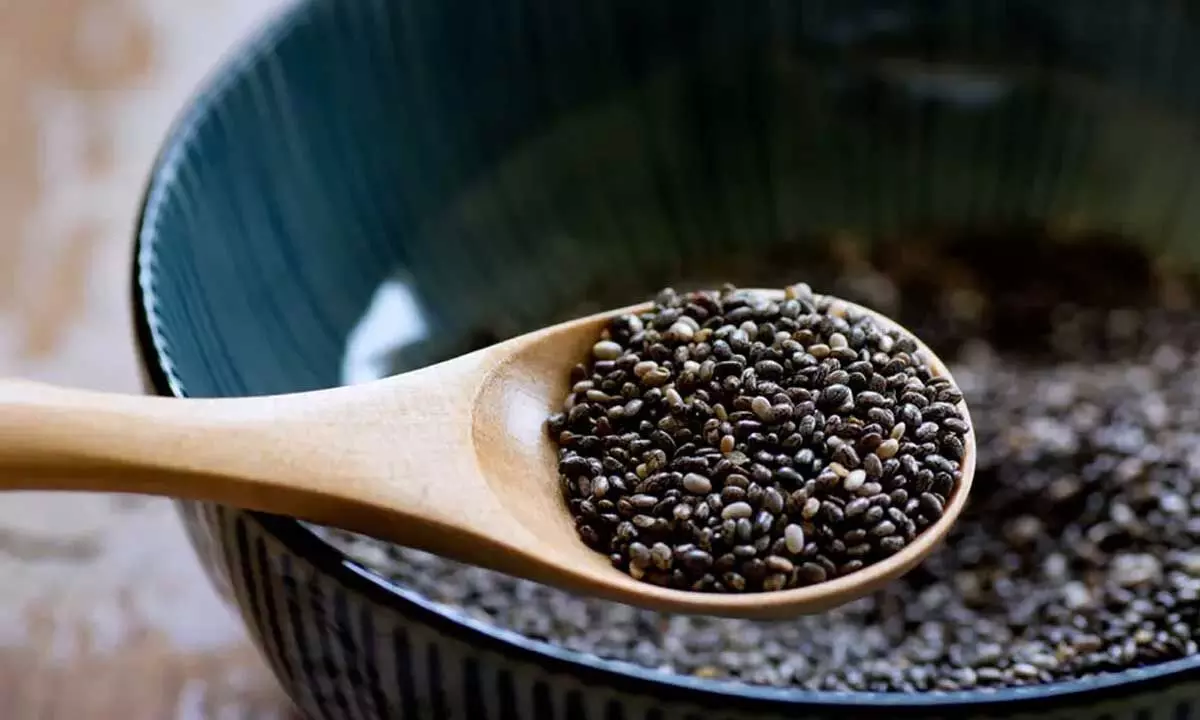
Chia seeds are highly nutritious, but for some people, they may trigger health risks instead of benefits if consumed carelessly.
Chia seeds have become a staple in health-conscious diets worldwide, often labelled as a powerful superfood. Rich in fibre, omega-3 fatty acids, antioxidants, and plant-based protein, these tiny seeds are commonly added to smoothies, yoghurt bowls, puddings, and baked goods. Their nutritional value is linked to benefits such as improved digestion, heart health support, and long-lasting energy.
Despite their growing popularity, chia seeds are not suitable for everyone. While they are generally safe for most people when consumed in moderation, certain health conditions can make chia seeds problematic. Understanding who should avoid them is essential to prevent discomfort or worsening of existing medical issues.
People With Digestive And Gut Issues
Individuals suffering from digestive problems such as bloating, irritable bowel syndrome (IBS), or chronic constipation may experience increased discomfort after consuming chia seeds. These seeds absorb large amounts of liquid and expand in the stomach, which can lead to cramping, gas, and a feeling of heaviness, especially in sensitive digestive systems.
People Taking Blood Thinners
Chia seeds contain a high amount of omega-3 fatty acids, known for their blood-thinning properties. For individuals already on blood-thinning medications, excessive consumption of chia seeds may raise the risk of bleeding complications. In such cases, medical guidance is strongly recommended before adding chia seeds to the diet.
People With Low Blood Pressure
Those who naturally have low blood pressure should also be cautious. Chia seeds are rich in alpha-linolenic acid and potassium, both of which can further lower blood pressure. This may result in symptoms such as dizziness, fatigue, or weakness if consumed regularly or in large quantities.
Kidney Patients
People with kidney disease or reduced kidney function are advised to avoid chia seeds. The seeds are high in potassium and phosphorus, minerals that must be closely monitored in kidney-related conditions. Excess intake can increase health risks and place added stress on the kidneys.
People With Seed Allergies
Individuals allergic to mustard seeds, sesame seeds, or flaxseeds may also react to chia seeds due to possible cross-reactivity. Symptoms can range from skin irritation and itching to more serious reactions such as breathing difficulties.
Chia seeds offer several health benefits, but they are not a one-size-fits-all food. Awareness of personal health conditions, proper preparation, and moderation are key to safe consumption. For those with existing medical concerns, consulting a healthcare professional before including chia seeds in the diet is the safest approach.