
Easy Ways to Identify Pure Kuttu Ka Atta During Festive Fasting

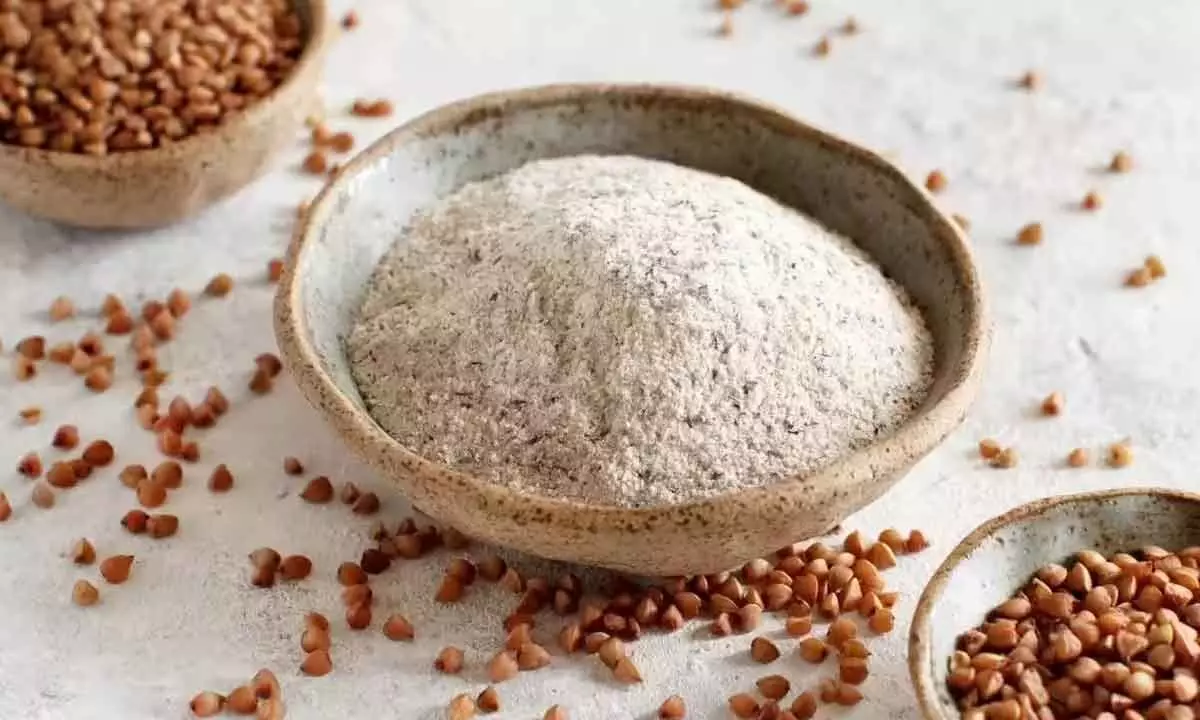
Learn five simple yet effective methods to check the purity of kuttu ka atta and protect your health during fasting.
As Navratri and other fasting festivals approach, many households turn to traditional foods that not only satisfy hunger but also provide sustained energy. Among these, kuttu ka atta (buckwheat flour) holds a special place. Used in making puris, halwa, pakoras and rotis, this flour is a powerhouse of nutrition—rich in iron, fibre, and healthy carbohydrates.
But with festive demand soaring, the market often sees adulterated versions of this flour, mixed with cheaper alternatives like starch or refined wheat flour. Consuming impure flour can compromise both taste and health. The good news? You can easily check the purity of your buckwheat flour at home. Here are five simple tips to ensure you’re buying the real deal.
1. Check the Colour Carefully
Pure buckwheat flour naturally has a light brown or slightly greyish tone. If the flour looks unusually bright white or very pale, it may have been mixed with maida (refined flour) or starch. Always pay close attention to its natural shade before buying.
2. Trust Your Nose – The Smell Test
Fresh, unadulterated kuttu atta has a distinct nutty aroma. If the flour smells odd, chemical-like, or even rancid, it’s likely impure or stale. Since smell is one of the strongest indicators of freshness, trust your nose to detect anything unusual.
3. Taste and Texture Reveal the Truth
The flavour of pure buckwheat flour is slightly nutty and earthy. If it tastes bland or strangely sweet, it may not be authentic. When kneaded into dough, real kuttu atta gives a mildly coarse texture. Dough made from adulterated flour, on the other hand, often turns out unnaturally soft and sticky.
4. A Simple Water Test at Home
One of the easiest ways to test kuttu atta is with water:
- Add a spoonful of flour to a glass of water.
- Pure flour floats and spreads slowly without dissolving immediately.
- If it quickly dissolves or leaves behind a cloudy residue, it’s a red flag for adulteration.
This quick check can save you from cooking with poor-quality flour.
5. Buy Smart – Choose Trusted Sources
To reduce the risk of contamination, always buy buckwheat flour from reputable shops or reliable brands. While good-quality flour may cost a little more, it ensures safety and better taste. Once purchased, store it in an airtight container, away from moisture and sunlight. Avoid using wet hands or spoons to scoop, as this can spoil the flour quickly.
Why It Matters
Eating impure flour not only affects the flavour of your festive dishes but can also cause digestive discomfort during fasting. Since your body is more sensitive during these periods, ensuring the purity of food becomes even more crucial.
By following these simple checks—colour, smell, taste, texture, water test, and smart shopping—you can protect your health and keep the festive spirit alive with delicious, wholesome meals.


