Flavours of Makar Sankranti Across India

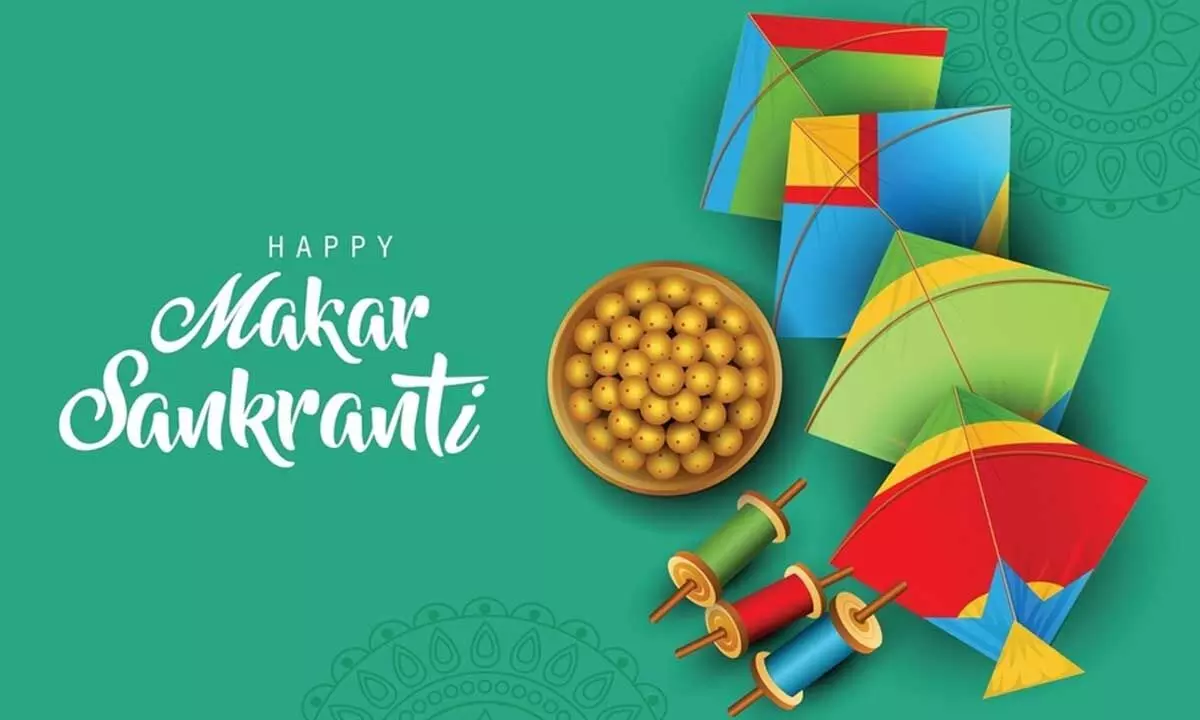
From sesame sweets to rice feasts, Makar Sankranti brings together India’s harvest traditions through food, warmth, gratitude and community.
Makar Sankranti, celebrated every January, marks the Sun’s movement into Capricorn and the gradual return of longer, brighter days. Unlike many Indian festivals that shift with the lunar calendar, this harvest celebration arrives on a fixed date, uniting the country in a shared seasonal moment. Yet while the timing is common, the table looks different in every region. Across India, Sankranti is welcomed through dishes that honour freshly harvested crops, seasonal produce, and the joy of togetherness.
North India: The Comfort of Sesame and Jaggery
In northern states such as Uttar Pradesh, Bihar and Delhi, winter is met with the warmth of sesame seeds and jaggery. These two ingredients dominate Sankranti kitchens, valued for both their flavour and their ability to keep the body warm. Soft til laddoos, crisp tilkut and thin sheets of gajak are prepared in homes and sweet shops alike. These treats are not only eaten but also shared, reinforcing the festival’s spirit of goodwill and social harmony.
Maharashtra: Sweetness with Meaning
Sankranti in Maharashtra revolves around sesame-jaggery sweets, most famously tilgul. Families exchange these small laddoos as a gesture of friendship and reconciliation. Alongside them, puran poli, a rich flatbread filled with sweetened lentils, appears on festive plates. The combination of these foods reflects both celebration and connection, turning the festival into a moment of togetherness over shared flavours.
Gujarat: Winter on a Plate
In Gujarat, Makar Sankranti is known as Uttarayan, a time when colourful kites fill the sky and hearty food fills the table. The star attraction is undhiyu, a slow-cooked mix of winter vegetables, fenugreek dumplings and spices. Made from what the season offers, it is a true harvest dish. Crunchy chikkis made with peanuts or sesame and jaggery add a sweet contrast, creating a balance of nourishment and indulgence.
Punjab: A Festival of Fire and Food
In Punjab, Sankranti blends into Lohri, a festival marked by bonfires, music and dance. The food here is robust and deeply rooted in farming traditions. Plates of sarson da saag and makki di roti, finished with butter, take centre stage. Alongside, peanuts, popcorn and sesame sweets are enjoyed as part of the celebrations, reflecting the region’s close relationship with its crops and the winter season.
South India: Pongal and Gratitude
In the south, especially in Tamil Nadu, Sankranti is celebrated as Pongal, named after the signature rice dish prepared on this day. Savoury ven pongal and sweet sakkarai pongal are cooked using newly harvested rice and offered in thanks for a good crop. Similar rice-based dishes appear in Karnataka and Andhra Pradesh, often served with sugarcane. The act of cooking together in large pots symbolises gratitude, unity and abundance.
Assam: Feasting for Bhogali Bihu
In Assam, the festival aligns with Bhogali Bihu, a time dedicated to feasting. Rice cakes known as pitha, sweet laru made from sesame or coconut, and locally prepared meats fill community kitchens. These meals are shared in open spaces, turning food into a celebration of collective joy and the end of a successful harvest season.
Odisha and West Bengal: Sweet Rice Traditions
In Odisha and West Bengal, Sankranti is welcomed with pithe, delicate rice-flour cakes filled with jaggery, coconut or lentils. These are made at home and exchanged among neighbours. Another essential dish is payesh, a milk-based rice pudding sweetened with jaggery. Together, they capture the gentle sweetness of the season and the warmth of sharing.
Rajasthan and Madhya Pradesh: Energy for Winter
In the drier regions of Rajasthan and Madhya Pradesh, sesame and groundnuts take the lead. Laddoos, gajak and peanut chikkis provide both flavour and energy during the cold months. In rural homes, simple meals prepared from seasonal grains and pulses complete the festival spread, reminding everyone of the land’s bounty.
Across India, Makar Sankranti may wear many names and flavours, but its heart remains the same — a celebration of harvest, warmth, and the simple joy of gathering around food that tells the story of the season.