Smoky, charred, iconic: Why tandoor cooking is making a big Comeback

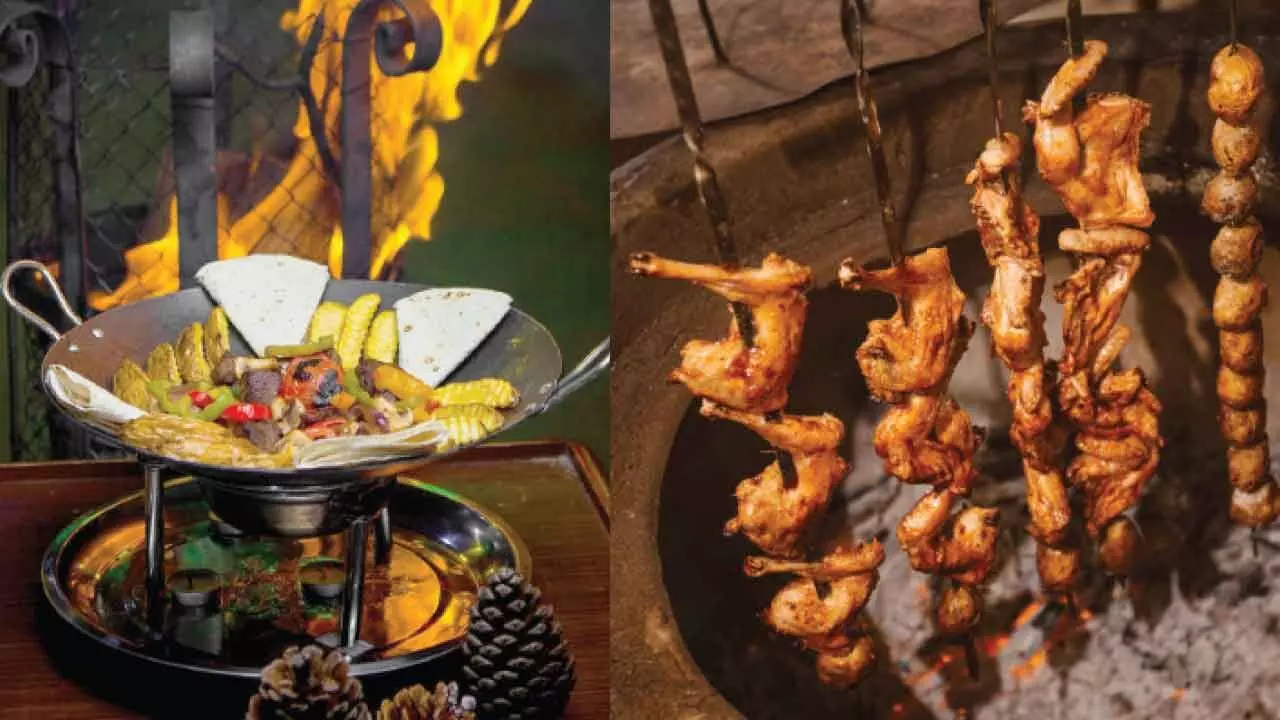
Few cooking techniques are as instantly evocative as the tandoor. The sight of skewers emerging from a blazing clay oven, the aroma of spice-laden smoke, and the unmistakable char on naan or kebabs have long defined Indian cuisine. Once associated mainly with traditional dhabas and North Indian restaurants, tandoor cooking is now enjoying a powerful resurgence—this time with a modern, global edge.
At its core, the tandoor is deceptively simple: a cylindrical clay oven fired with charcoal or wood, capable of reaching temperatures of up to 480°C. Yet it is precisely this intense heat that gives tandoor cooking its signature qualities—smokiness, caramelisation, and depth of flavour that cannot be replicated by conventional ovens or grills. In an era where diners crave authenticity and bold taste, the tandoor delivers both in abundance.
A Return to Fire-Driven Cooking
One reason behind the renewed interest in tandoor cuisine is the global culinary shift back to fire-driven cooking. Across the world, chefs are rediscovering open flames, wood-fired ovens, and live grills as a counterpoint to overly processed, technique-heavy food. The tandoor fits seamlessly into this movement. It celebrates primal cooking while offering refined results—juicy meats sealed by high heat, vegetables blistered to smoky perfection, and breads puffed and charred in seconds.
For younger diners especially, tandoor food represents something tactile and real. The visible flames, the handmade clay oven, and the drama of live cooking add a sensory dimension that resonates in an age dominated by screens and fast consumption.
Beyond Butter Chicken and Naan
While classics like butter chicken, tandoori chicken, and naan remain beloved, today’s chefs are pushing the boundaries of what the tandoor can do. Seafood such as prawns, pomfret, and lobster are being delicately cooked in the tandoor, gaining a smoky edge without losing their natural sweetness. Root vegetables, mushrooms, jackfruit, and even fruits are finding new expressions when exposed to intense tandoor heat.
Modern Indian restaurants are also experimenting with global flavours—tandoor-roasted cauliflower with Middle Eastern spices, smoked paneer tacos, or tandoori-style flatbreads topped with artisanal cheeses. This cross-cultural creativity has helped reposition the tandoor as a versatile, contemporary cooking tool rather than a relic of the past.
Healthier, Cleaner Cooking
Another factor driving the tandoor’s comeback is the growing focus on healthier eating. Tandoor cooking typically uses minimal oil, relying instead on marinades, spices, and high heat to create flavour. Excess fat drips away during cooking, making many tandoor dishes naturally lighter than pan-fried or heavily sauced alternatives.
For health-conscious diners, this combination of robust flavour and reduced oil is appealing. Protein-rich tandoori dishes, grilled vegetables, and wholegrain breads cooked in the tandoor align well with modern dietary preferences without sacrificing indulgence.
Craft, Heritage, and Storytelling
In a time when diners are increasingly interested in the story behind their food, the tandoor offers rich cultural and historical resonance. Rooted in the Indian subcontinent’s culinary heritage, the tandoor represents community cooking, shared meals, and centuries-old techniques passed down through generations.
Many chefs and restaurateurs are now highlighting this craftsmanship—using handmade clay tandoors, traditional charcoal, and age-old marinades. This emphasis on heritage adds emotional value to the dining experience, transforming a meal into a cultural narrative.
Social Media and the Visual Appeal of Fire
The visual drama of tandoor cooking has also contributed to its revival. Flames licking the sides of the oven, bread being slapped onto hot clay walls, and skewers emerging with perfect char make for compelling social media content. In the age of Instagram and short-form video, tandoor cooking offers instant visual impact—raw, fiery, and authentic.
This visibility has helped introduce tandoor cuisine to younger, global audiences who may be encountering it for the first time through digital platforms.
The Future of an Ancient Flame
The tandoor’s comeback is not a fleeting trend but part of a broader movement toward authenticity, sustainability, and flavour-first cooking. As chefs continue to reinterpret traditional methods for modern palates, the tandoor stands as a powerful symbol of how ancient techniques can remain relevant—and exciting—today.
Smoky, charred, and iconic, tandoor cooking reminds us that sometimes, the most enduring innovations come not from technology, but from fire, clay, and time-honoured skill.
(The writer is an Executive Chef The Imperia by Dhaba, USA)