Fresh Or Expired? How To Tell If Your Eggs Are Still Good

Simple kitchen tests like floating, smelling, and checking texture can quickly reveal whether your eggs are fresh or unsafe.
Eggs are among the most versatile ingredients in any kitchen — from breakfast staples to baking essentials. But while they may look perfectly fine from the outside, eggs don’t last forever. Using spoiled eggs can ruin a recipe and, more importantly, pose health risks. Fortunately, you don’t need special tools or expert knowledge to check their freshness. A few easy tests at home can help you decide whether to cook or discard them.
Here are seven practical ways to determine if your eggs are still safe to eat.
1. Try The Water Float Test
One of the quickest and most popular methods to test egg freshness involves nothing more than a bowl of water. Gently place the egg in a bowl filled with water and observe what happens.
Fresh eggs will sink straight to the bottom and lie flat on their sides. If the egg stands upright but remains submerged, it’s likely older but still usable. However, if it floats to the surface, it’s best to throw it away. Floating occurs because, over time, air enters the shell as moisture escapes, increasing buoyancy — a clear sign the egg is past its prime.
2. Crack And Check The Smell
Your nose can be one of the most reliable tools in your kitchen. Always crack an egg into a separate bowl before adding it to your dish. This not only protects your recipe but also gives you a chance to inspect it properly.
A fresh egg has little to no smell. If you detect a strong, unpleasant, sulphur-like odour immediately after cracking it open, that’s a clear indication it has spoiled. In such cases, discard it without hesitation.
3. Feel The Shell Texture
While subtle, changes in the eggshell’s texture can offer clues about its age. Fresh eggs generally have a slightly rough or chalky surface. As eggs age, moisture gradually evaporates through the porous shell.
This process can leave older eggs with a smoother, shinier outer surface. Although this test alone may not be definitive, it can serve as an early indicator when combined with other checks.
4. Observe The Yolk And Egg White
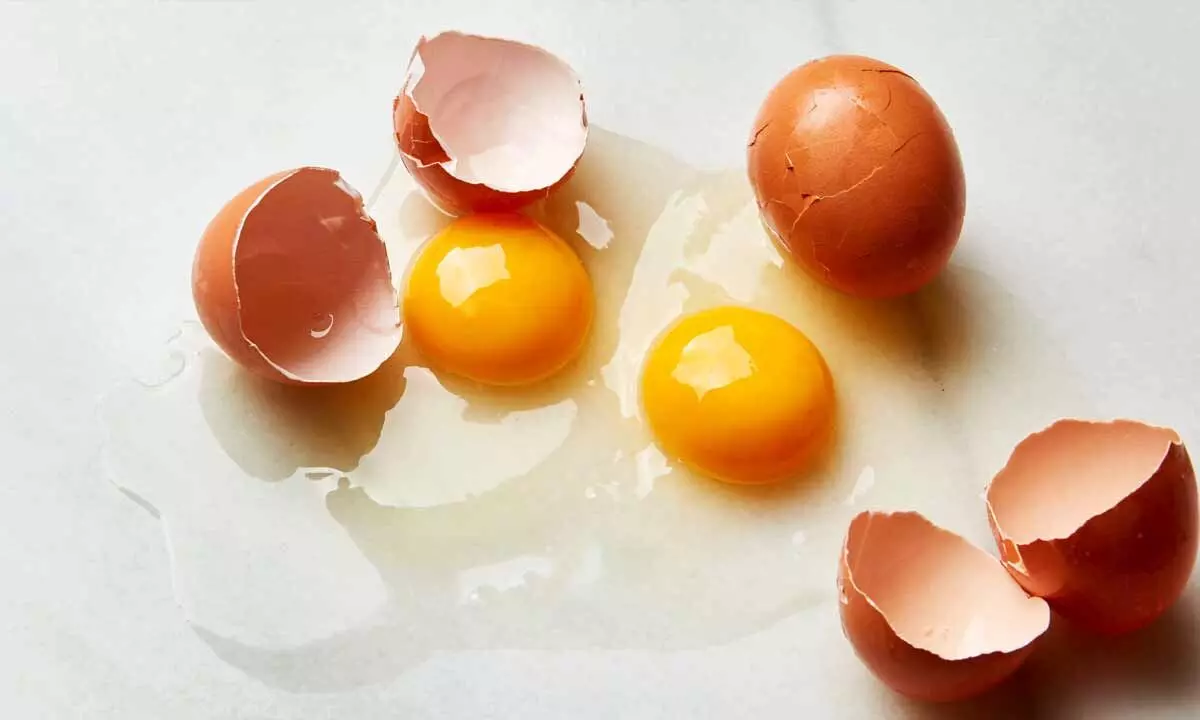
After cracking an egg into a bowl, take a close look at its structure. Fresh eggs have firm, rounded yolks that sit high, surrounded by thick whites that hold their shape and stay close to the yolk.
Older eggs tend to spread more quickly across the bowl. The whites appear thinner and more watery, and the yolk may look flatter and less defined. While slightly older eggs might still be safe for cooking, significant spreading is often a sign of declining freshness.
5. Listen For A Sloshing Sound
This test may sound unusual, but it can be surprisingly helpful. Hold the egg close to your ear and shake it gently.
A fresh egg should not produce any noticeable sound. If you hear a sloshing or movement inside, it suggests the contents have thinned and pulled away from the shell — a common sign of aging. The more distinct the sound, the older the egg is likely to be.
6. Notice The Smell After Cooking
If you’re still unsure, cooking the egg can provide a final confirmation. A properly cooked fresh egg has a mild, familiar aroma.
On the other hand, a spoiled egg will release an unpleasant smell even after being fully cooked. If you notice an off-putting odour at this stage, avoid consuming it. Heating does not make a bad egg safe to eat.
7. Check The Expiry Date On The Carton
Before performing any kitchen tests, glance at the packaging. The “best before” or expiry date gives a useful baseline for freshness.
While eggs can sometimes remain usable for a short time beyond the printed date — especially when stored properly in the refrigerator — the label should never be ignored. It offers guidance on how long the eggs are expected to maintain their quality.
Store Smart, Eat Safe
Proper storage plays a crucial role in extending the shelf life of eggs. Keeping them refrigerated at a consistent temperature helps slow down spoilage. Avoid storing eggs on the refrigerator door, where temperature fluctuations are common.
When in doubt, it’s always better to err on the side of caution. A quick check can prevent food waste, protect your health, and ensure your dishes turn out just the way they should.