Self-Paced BLS Recertification for Shift Workers

Self-Paced BLS Recertification for Shift Workers
Stay certified with self-paced BLS recertification designed for shift workers. Learn CPR, AED, and emergency skills online on your schedule. Explore accredited, flexible, and cost-effective BLS renewal options today.
You're midway through a 12-hour night shift when an emergency strikes. Your BLS certification is due for renewal, but attending a scheduled class seems impossible with your rotating shifts and unpredictable hours. Sound familiar?
Shift workers, especially in healthcare, often face challenges in maintaining certifications due to their demanding schedules. In fact, approximately 25% of the adult workforce works during non-traditional hours, according to the NCMI, including evenings, nights, early mornings, and weekends. This underscores the need for flexible solutions that accommodate such schedules.
Self-paced BLS recertification courses offer a practical solution, allowing you to renew your certification on your own time, without compromising your work commitments. In this guide, we'll explore how these courses can fit seamlessly into your life, ensuring you stay prepared for emergencies, no matter your shift.
BLS Recertification Overview and Requirements
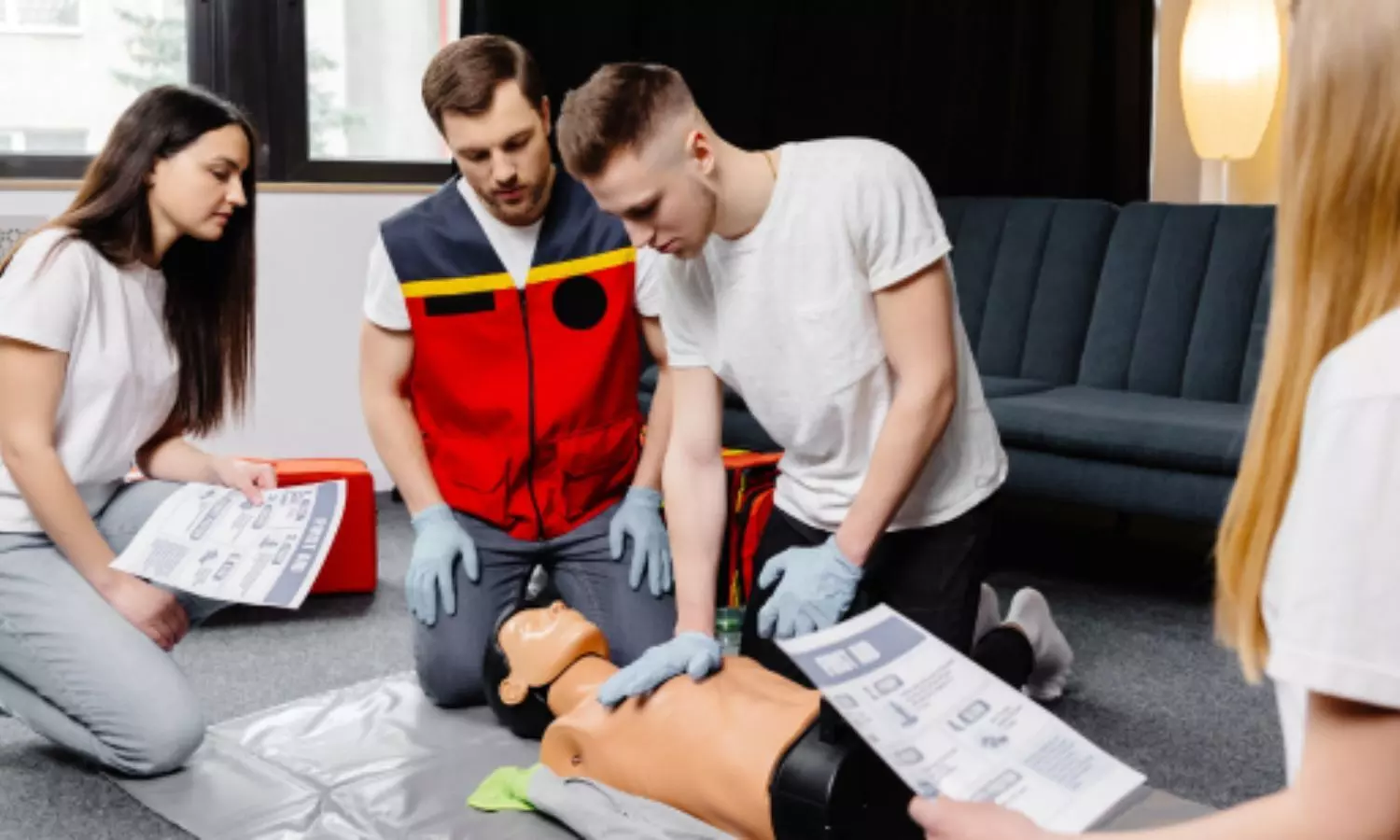
Basic Life Support (BLS) teaches healthcare providers and others how to respond to life-threatening emergencies. It trains professionals on how to perform CPR, use an AED, and manage choking for adults, children, and infants. BLS recertification ensures that providers maintain current skills as protocols change and skills fade without practice over time.
Shift workers in healthcare and emergency services must renew these certifications despite their challenging schedules. You renew your certificate every one to three years, most providers set a two‑year interval, and complete an approved course before your current card expires. Let us have a look at its requirements:
Recertification Timeline
The recertification process takes 2-4 hours to complete, depending on the provider. Most organizations recommend renewal within 30 days before expiration to avoid gaps in certification.
Skills Covered
BLS recertification reviews high-quality CPR techniques for adults, children, and infants. This training covers proper AED operation, effective airway management, and response to choking emergencies. Students must demonstrate these skills through practical assessments.
State-specific considerations
The BLS recertification and its validity are standardised across US states. The validity limit is the same for all, however, some states require you to get a renewal within 30 days of the expiry date. When it comes to BLS protocols, states like New York mandate specific training hours or supplementary modules for healthcare professionals. You must check your state's health department regulations before selecting a recertification program.
Benefits of Self-Paced BLS Recertification for Shift Workers
Self-paced BLS recertification solves many challenges for professionals working irregular hours. These programs offer advantages that traditional classroom courses cannot match for those with rotating schedules. These include:
- Flexibility
Self-paced programs allow completion during any available time windows. Night shift workers can study during daytime hours without sacrificing sleep. The ability to pause and resume training accommodates unpredictable work demands.
- Online vs. Hybrid Options
Fully online courses deliver all content through digital platforms with virtual skills assessment. Hybrid programs combine online learning modules with brief in-person skills verification sessions. Both formats reduce the time commitment compared to traditional classroom settings.
- Cost and time efficiency
Self-paced options eliminate travel expenses and time spent commuting to training centers. Many programs offer lower fees than in-person courses. Workers avoid losing income from missed shifts when scheduling around mandatory class times.
- Interactive learning tools
Modern self-paced courses use video demonstrations of proper techniques and common errors. Virtual simulations allow for practice decision-making in emergency scenarios. Knowledge assessment through quizzes reinforces learning throughout the program.
- Immediate certification access
Upon successful completion, digital certification cards become available instantly. Electronic verification can be sent directly to employers or licensing boards. Physical cards arrive by mail within days rather than weeks.
How to Choose the Right BLS Recertification Course
Finding the correct BLS recertification program that meets your upskilling needs requires evaluation of several key factors. Consider these pointers while searching for a recertification course:
- Check Accreditation
Make sure the course is approved by the national BLS authorities and follows their guidelines. Check that both your employer and your state’s licensing board recognize the provider. Finally, choose a course designed for healthcare professionals, not one meant for the general public.
- Course Structure Breakdown
Review how the BLS recertification program divides theoretical knowledge and practical skills assessment. Look for courses with clear instructions on how skills verification works. Additionally, you must check the time limits for completing each section of the training.
- Pricing Comparison
Compare the price while choosing the BLS recertification course to understand what features they include. The cost of recertification programs starts from USD 36.95 and may go up, depending on practice materials and course access periods.
- Reading Reviews And Success Rates
Search for feedback from healthcare professionals in similar roles. Review the provider's first-time pass rate statistics. You can also contact your colleagues who have used the program.
- Technical Requirements
Confirm your devices support the required software and video capabilities. You must also ensure access to a stable connection for uninterrupted skills testing sessions.
Frequently Asked Questions About Self-Paced BLS Recertification
1. What is the validity of BLS certification?
The validity for BLS certification lasts for 2 years from the date you have completed your training. Post this period, you must opt for a BLS renewal course within 30 days before your certification expiration date.
2. How to check the validity of a BLS certificate?
Log in to your training provider’s website and check your certificate details to see if it’s still valid. If you have a paper copy, just note the date it was issued and add two years; that’s when it expires
3. How can I gain hands-on practice in an online BLS course?
Online BLS courses are common as they provide flexibility for busy healthcare professionals. Hands-on practice being an important component of this training, is addressed by simulating real-world case scenarios. The course teaches you through online drills, and some also include AR VR technologies for better learning outcomes.
4. Are online BLS courses accepted by employers?
Not all online BLS courses are accepted by employers. However, the ones that are accredited by federal bodies provide credibility to your training. They demonstrate to your employer that you are capable of providing quality care and are familiar with the latest life support skills.
Get Your BLS Recertification Today!
Self-paced BLS recertification lets shift workers keep their life-saving skills up to date without changing their work hours. Its flexibility, lower cost, and interactive tools make it a great fit for healthcare professionals with unpredictable schedules.
Choose an accredited program that your employer accepts so you stay compliant while learning on your own schedule. Self-paced BLS recertification helps you keep up with the newest guidelines without interrupting your busy work life.
Ready to renew your certification? Enroll in a BLS recertification course today and maintain your credentials on your schedule.