Why Hair Fall Worsens During Monsoon and How to Tackle It

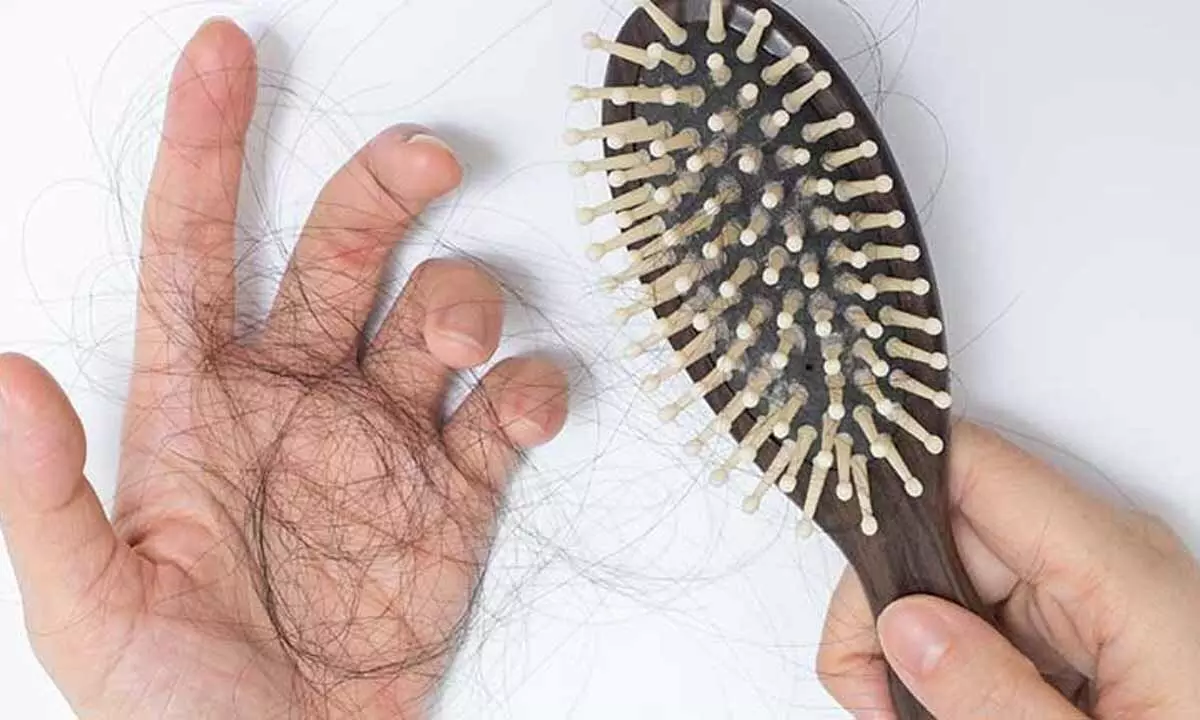
Humidity, fungal infections, and poor monsoon hair habits collectively lead to seasonal hair fall — but timely care can help control it
As the monsoon ushers in cool breezes, lush greenery, and rhythmic rain showers, it also brings a not-so-pleasant side effect for many — a sudden spike in hair fall. While most people write it off as a seasonal inconvenience, the reasons behind monsoon-induced hair loss are deeper and worth addressing.
Hair fall during the rainy season isn’t just a cosmetic concern. The high humidity in the air makes the scalp damp, weakens hair roots, and creates an ideal environment for fungal infections. Add to this the acidity of rainwater, sweat accumulation, and often neglected scalp hygiene — and you’ve got the perfect recipe for excessive hair shedding.
What’s Causing the Shedding?
Humidity Weakens Hair Roots
The moisture-laden air during monsoon increases scalp dampness, making hair roots soft and fragile. This makes hair more prone to breakage and fallout, especially if not dried and cared for properly.
Fungal Infections Are Common
A sweaty scalp is fertile ground for dandruff and fungal conditions like seborrheic dermatitis. These infections inflame the scalp, damage follicles, and worsen hair fall if left untreated.
Poor Monsoon Diet
Cravings for fried snacks go up during this season, but such foods lack vital nutrients like biotin, zinc, and proteins. Nutritional deficiency starves the hair follicles, leading to thinning and breakage.
Brushing Wet Hair
Many people comb their hair while it’s still wet after a rain shower — a major mistake. Wet hair is most fragile, and combing at this stage pulls on the roots, increasing hair fall.
Polluted Rainwater is Harmful
Rainwater isn’t always pure. It may carry pollutants and dust that irritate the scalp, clog pores, and damage hair cuticles — especially when not washed out soon after exposure.
Skipping Hair Wash Post Rain
Skipping a hair wash after being drenched might feel harmless, but it leaves behind dirt and pollutants. This buildup causes inflammation, which weakens the hair structure from the root.
Tying Damp Hair is a Red Flag
Tying wet hair — often done out of convenience — creates a humid pocket that encourages fungal growth. This weakens hair strands and often leads to breakage near the roots and crown.
Hormonal Fluctuations and Stress
Seasonal changes can bring subtle hormonal shifts, which when paired with poor sleep and stress, can trigger a temporary hair loss phase known as telogen effluvium. This condition pushes more hair into the shedding stage.
The Bottom Line
Hair fall during the monsoon is common, but not inevitable. By understanding the underlying causes — from scalp infections to careless habits — individuals can take timely steps to protect their locks. Gentle hair care routines, regular cleansing, good nutrition, and avoiding damp hair practices can make a big difference in keeping your strands strong and healthy through the rainy season.