Regional New Year Celebrations: Gudi Padwa, Ugadi, and Cheti Chand

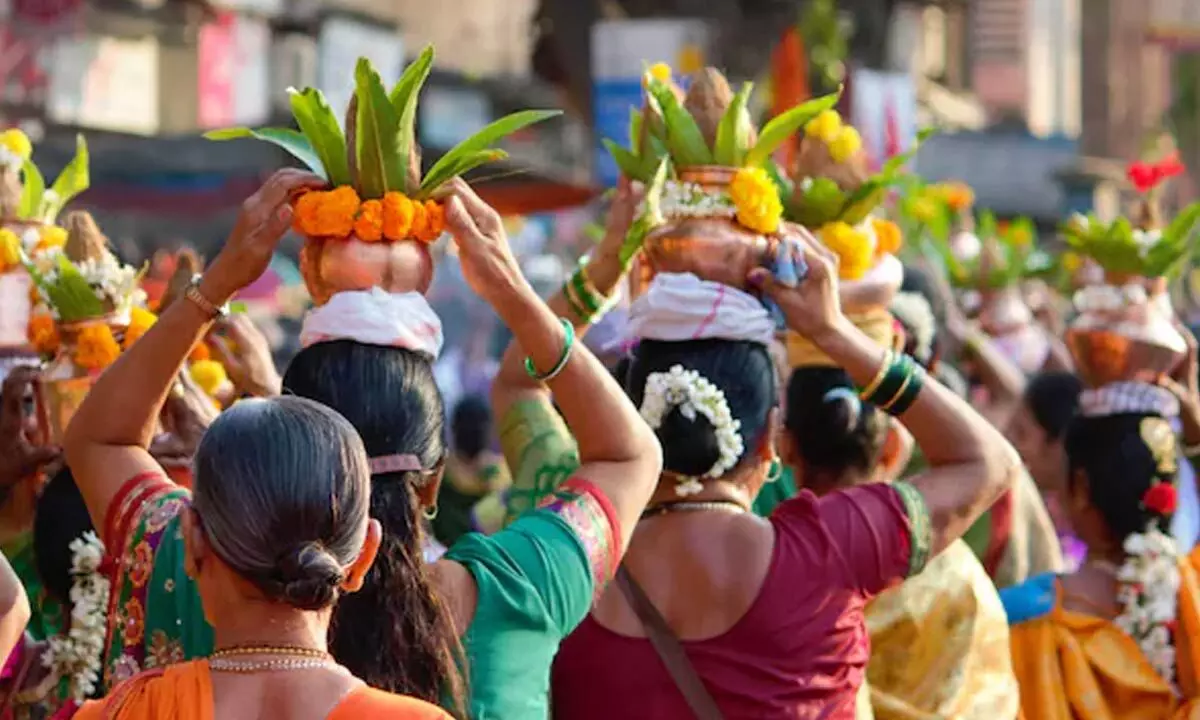
India celebrates the Hindu New Year with diverse traditions across different regions. The festivals of Gudi Padwa, Ugadi, and Cheti Chand each hold deep cultural and spiritual significance, marking new beginnings with unique customs and rituals.
The Hindu New Year is celebrated with different names and customs across India. Gudi Padwa, Ugadi, and Cheti Chand are three significant festivals that mark the beginning of a new year based on the lunisolar calendar. Although they share a common essence of renewal and prosperity, the rituals and traditions vary across regions.
Gudi Padwa
Origin and Significance
Gudi Padwa is derived from two Sanskrit words—"Gudi," representing the flag of Lord Brahma, and "Padwa," referring to the first day of the lunar phase. This festival signifies the beginning of the Chaitra month and is celebrated as the Marathi New Year.
Regions of Celebration
Gudi Padwa is primarily observed in Maharashtra, Goa, and coastal Karnataka.
Rituals and Traditions
- The festival begins with thorough house cleaning and vibrant decorations using flowers and garlands.
- A "Gudi" (flag) is hoisted outside homes, made of a bamboo stick adorned with mango and neem leaves, symbolizing victory and joy.
- Devotees worship Lord Brahma, often performing a havan (ritual fire ceremony).
- Traditional Maharashtrian attire is worn, and families prepare festive delicacies.
- Eating a mixture of neem and jaggery is considered beneficial, symbolizing the balance of life's bitter and sweet moments.
Ugadi
Meaning and Importance
The term "Ugadi" originates from the word "Yugadi," where "Yug" means era and "Adi" means beginning, symbolizing the start of a new era. It marks the Telugu and Kannada New Year.
Regions of Celebration
Ugadi is widely celebrated in Andhra Pradesh, Telangana, and Karnataka.
Rituals and Festivities
- Homes are cleaned and decorated with mango leaves and floral patterns.
- Families create intricate rangoli designs at their doorsteps.
- Devotees visit temples to seek blessings for health and prosperity.
- Listening to the Panchanga Sravanam (Hindu almanac readings) is a traditional practice, predicting the year’s prospects based on moon signs.
- The highlight of the festival is Ugadi Pachadi, a dish made of six ingredients representing different emotions of life—sweet (jaggery), bitter (neem), tangy (tamarind), sour (raw mango), spicy (chili), and salty. The first taste is believed to indicate how the coming year will unfold.
Cheti Chand (Jhulelal Jayanti)
Historical Significance
Cheti Chand, also known as Jhulelal Jayanti, marks the birth anniversary of Jhulelal, the patron saint of Sindhis. The festival also signifies the Sindhi New Year.
Regions of Celebration
Cheti Chand is primarily celebrated by the Sindhi community across India and the world.
Traditional Observances
- The festival follows a 40-day prayer ritual called "Chaliho," culminating on Cheti Chand.
- Devotees observe a fast and perform the Behrana Sahib ritual, offering an oil diya, cardamom, sugar, fruits, Akho, and a five-wick Jyot Jagan (wheat flour diya).
- After immersing the Behrana Sahib in water, worshippers sing Pallav hymns and pray to Varun Dev (Hindu God of Water).
- According to Sindhi folklore, Saint Jhulelal was born as a divine intervention to protect Sindhis from the oppressive rule of Mirkshah.
While Gudi Padwa, Ugadi, and Cheti Chand all signify the dawn of a new year, their cultural expressions are unique to each community. These celebrations highlight India's rich traditions, emphasizing renewal, prosperity, and divine blessings for the year ahead.