Building Secure Infrastructure for the World’s Most Critical Systems

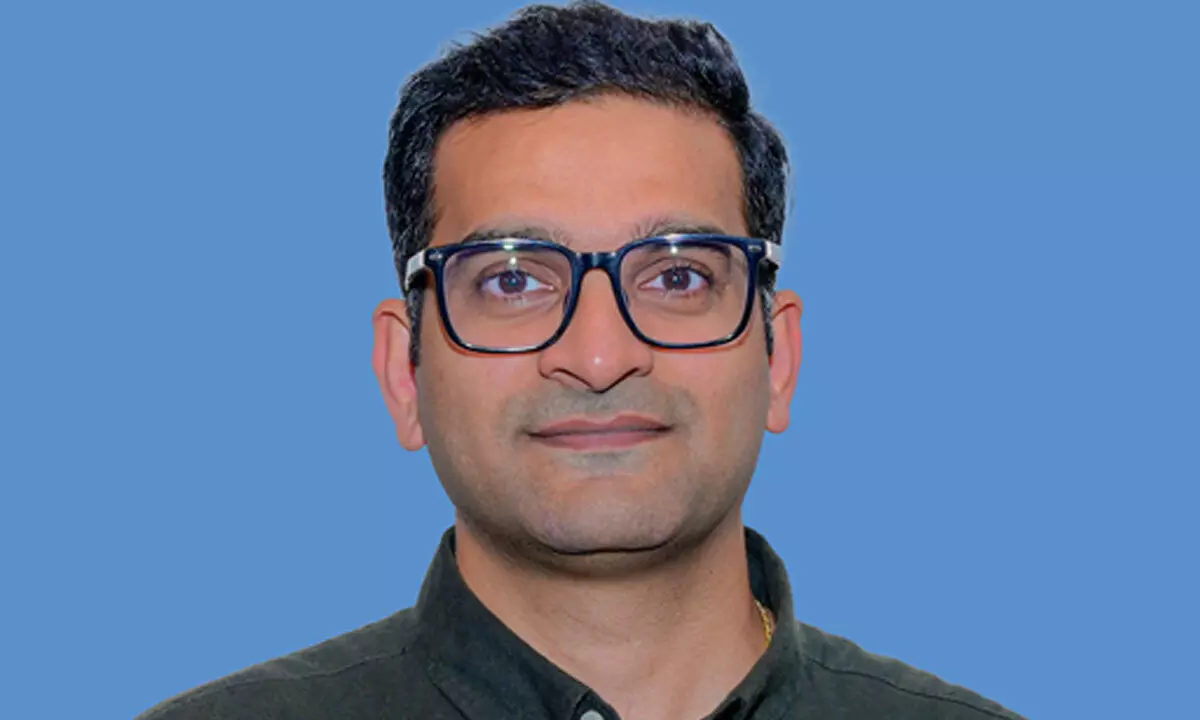
Girish, the seasoned cloud infrastructure leader shared insights from his journey spanning emergency response systems to global enterprise platforms. He spoke about resilience, trust, and why systems thinking matters more than ever in engineering
In the world of cloud technology and cybersecurity, few technologists can claim they’ve designed systems where downtime isn’t just inconvenient—it’s unacceptable. Girish is one of those rare leaders. From enabling emergency dispatch networks to building enterprise-grade cloud platforms, his career is a study in resilience, security, and foresight.
“I learned early on that technology must perform under duress,” Girish reflects. “If a system fails during an emergency, the consequences go far beyond technical trouble—they’re human.”
His career began at Motorola Solutions, where he worked on mission-critical communications for public safety agencies. Developing dispatch consoles for emergency responders meant building platforms with near-zero latency and flawless uptime. “These systems were often in police stations or fire departments,” he says. “They couldn’t afford a single point of failure—natural disasters, power outages, cyberattacks—nothing could bring them down.”
That early work forged a principle that still drives him today: resilience first.
Fast forward to the present, and Girish’s scope has grown from citywide networks to global infrastructure. At Oracle, he leads programs delivering secure, scalable, and compliant cloud solutions for Fortune 500 companies and governments. The demands are far more complex than simple uptime. “Today, it’s not just about keeping systems running—it’s about meeting global compliance standards, implementing zero-trust architectures, and ensuring transparency from end to end,” he explains.
Girish has championed initiatives such as network segmentation, chaos engineering environments, automated threat-hunting systems, and API security audits. “The goal,” he says, “is to find weaknesses before they matter. In high-stakes environments, you can’t afford reactive security.”
Beyond engineering, Girish is passionate about mentoring. “Code is just one part of the puzzle,” he tells young engineers. “You need to understand how your work behaves at scale, under stress, and when interconnected with other systems.” His focus on systems thinking, graceful degradation, and fault tolerance stems from lessons learned in both physical radio systems and cloud-native platforms.
He believes trust is the ultimate measure of infrastructure success. “Infrastructure has to earn trust—both technically and operationally. That means systems must be secure, transparent, and predictable in recovery. If stakeholders don’t understand what’s happening behind the scenes, they won’t believe in it.”
In an era where even a few minutes of downtime can cost millions—or put lives at risk—Girish’s perspective is more relevant than ever. “Technologists like us may work behind the curtain, but our impact is felt every time a financial transaction clears, a medical record is retrieved, or an emergency system responds instantly,” he says.
His philosophy is simple but powerful: “Move deliberately, secure deeply, and build as if the world depends on it—because sometimes, it does.”