Shaping the Future of Database Architecture
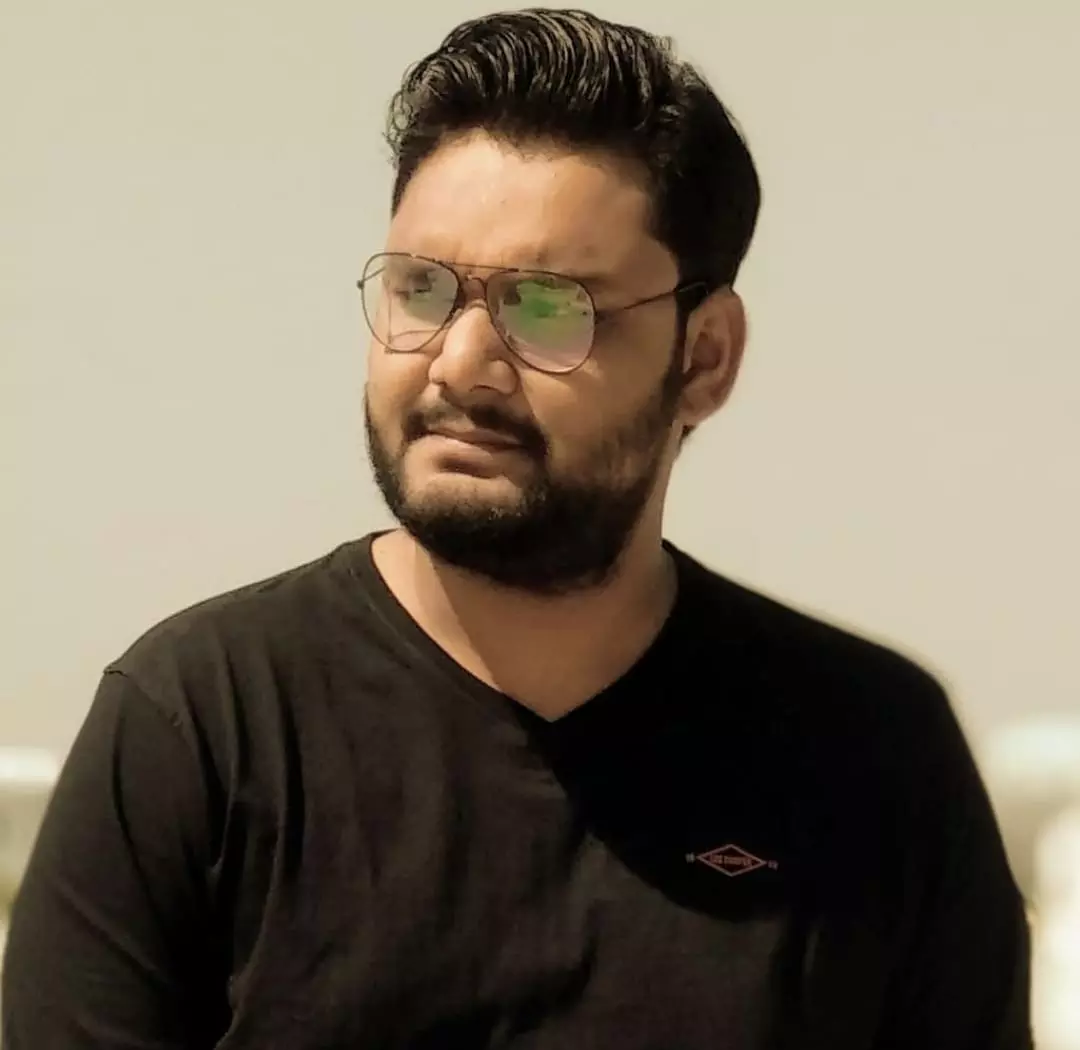
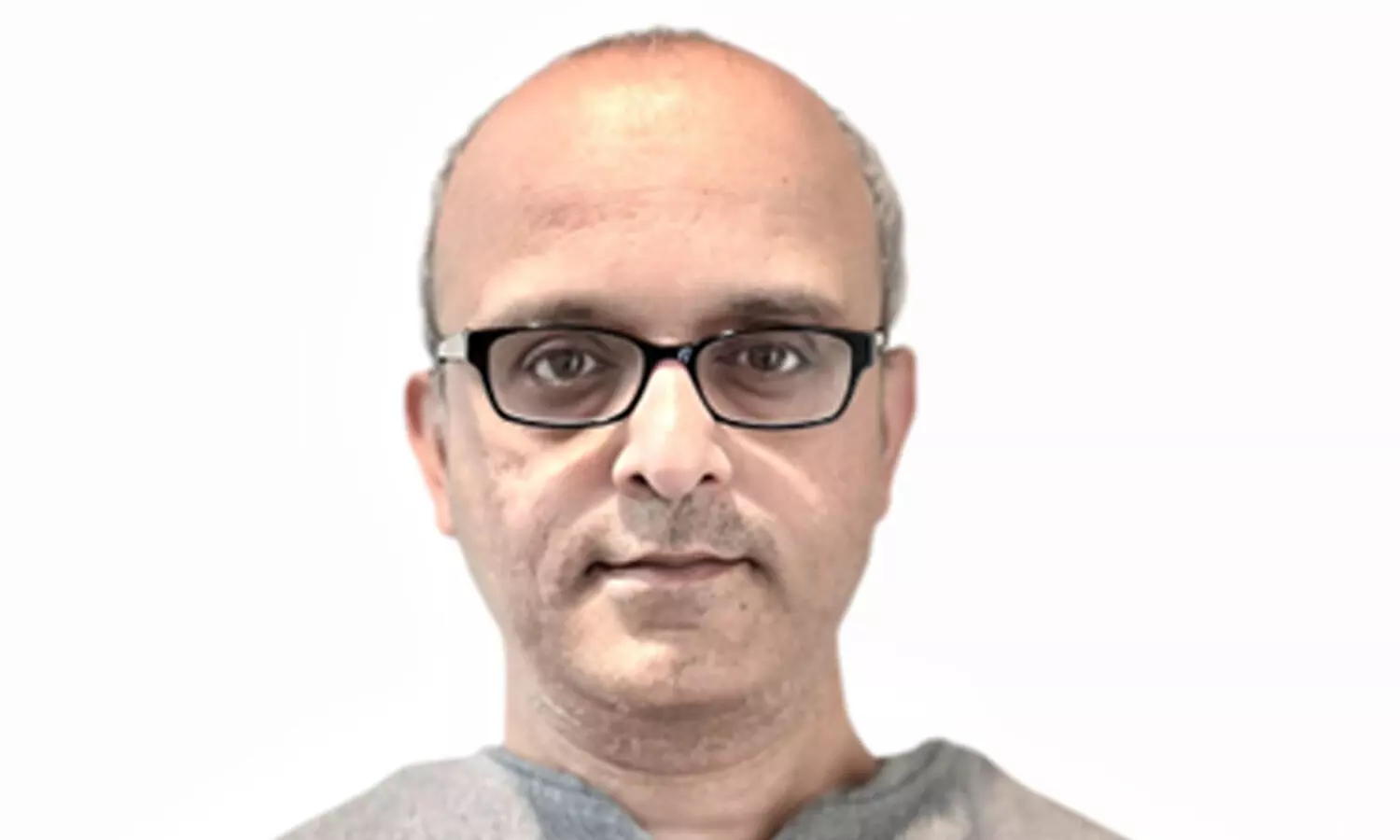
Bharat Kumar Dokka shared insights into his evolution as a database architect, focusing on high availability, cloud transitions, and secure, business-aligned solutions. He emphasised the importance of leadership, automation, and continuous learning in driving innovation across enterprise data platforms
With over 15 years of deep-rooted experience in database product design and mission-critical infrastructure, Bharat Kumar Dokka has emerged as a key figure in modern database architecture. Based in the greater Seattle area, Bharat currently serves as an Associate Technical Architect, leading complex implementations that directly align technology with business strategy.
“From the beginning, I was fascinated by how data systems power real-world applications,” Bharat shares. His journey into the world of databases stemmed from a strong desire to solve technically intricate problems with tangible business outcomes. That natural curiosity soon evolved into a passion for bridging the gap between technical teams and business stakeholders.
At the heart of Bharat’s approach to high availability and performance is a meticulous methodology. “Understanding the business impact—especially RTO and RPO—is where my process starts,” he explains. Whether it’s SQL Server Always On, clustering, or log shipping, each decision is based on the application's criticality and performance requirements. For critical migrations, such as his successful transition of legacy databases to the cloud without downtime, Bharat developed a staged roadmap and led a cross-functional team to execute with precision. “Dry runs, parallel environments, and data integrity scripts were key to ensuring a smooth cutover,” he adds.
Security, Bharat emphasises, must be foundational. “A defense-in-depth strategy ensures no single point of failure,” he says. From least-privilege access controls and encryption to regular audits and patching, his strategies are aligned with regulatory demands and modern risk landscapes.
Efficiency, too, is central to his practice. Bharat is a strong advocate for process automation and standardised documentation. “Runbooks and automation scripts reduce human error and bring consistency to our operations,” he explains. His focus on KPIs and retrospectives after major projects has helped streamline operations while improving service quality.
Equipped with tools like SCOM, ServiceNow, and PowerShell, Bharat monitors performance, manages incidents, and ensures database health. “Real-time visibility and version control through Git have transformed the way we maintain configuration consistency,” he notes.
When incidents arise, Bharat’s calm communication style shines. “It’s about being transparent, accurate, and business-focused,” he says. Avoiding jargon, he instead ensures stakeholders understand the issue and path to resolution.
Looking forward, Bharat is steering his expertise toward principal architecture roles. “Modern data platforms and cloud-native architectures will define the next decade,” he affirms. To stay ahead, he actively experiments with new technologies, attends webinars, and engages with professional communities. “I’m driven by innovation and its power to transform businesses,” Bharat concludes.
Through a blend of technical mastery, leadership, and strategic foresight, Bharat Kumar Dokka is helping shape the data-driven future of enterprise systems.