TG govt rolls up sleeves to paint the state green


State aims for perfect 100% plantation target of 18.03 crore saplings with public engagement
Hyderabad: Telangana is poised to launch Vana Mahotsavam 2025 as a statewide social movement with the clear goal of achieving 100 per cent of its ambitious plantation target of 18.03 crore saplings.
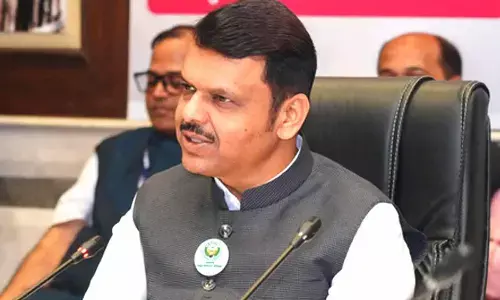
Environment Minister Konda Surekha recently conducted a comprehensive review of the preparations at the State Secretariat with senior officials from the Forest Department, Municipal Administration, and allied departments. The focus was on ensuring inter-departmental coordination, the timely distribution of saplings, and active public engagement to ensure this year’s target is fully met during the peak monsoon months of June, July, and August.
“Vana Mahotsavam 2025 is not just about planting trees; it’s about planting a sense of responsibility in every citizen. When communities come together for a greener tomorrow, it becomes more than a campaign—it becomes a movement. We are not just increasing forest cover; we are restoring the balance between nature and our daily lives,” stated Konda Surekha, highlighting the vision behind this year’s programme.
Plantation drives will be rolled out across all districts, mandals, villages, and municipalities starting from June. The programme is being treated as a flagship green initiative, with special efforts to integrate it into community routines and institutional landscapes. Following a strong performance in 2024, where 19.04 crore saplings were planted out of the 20.02 crore target (a 95 per cent success rate), the state aims to hit the 100 per cent benchmark this year. The target for 2026 has already been set at 16.06 crore saplings, reflecting a long-term vision for environmental sustainability.
To achieve scale and inclusivity, village-level nurseries will play a key role in raising and distributing saplings locally. This decentralised model is intended to boost community involvement and ensure timely access to plant material. Officials were directed to rectify past mistakes through improved planning, tighter execution, and stronger monitoring mechanisms. The public is being encouraged to plant saplings at home, with arrangements in place to meet specific species requests from citizens.
“Our goal of 100 per cent plantation is ambitious, but not impossible, because it is rooted in collective effort. Every sapling planted today is a step towards ecological justice and climate resilience for future generations. Nature doesn’t need us; we need nature. This is our chance to give back and grow forward together,” said Surekha .
The plantation plan features a rich variety of species tailored to local ecological conditions. These include flowering plants such as rose, hibiscus, and oleander, along with fruit-bearing trees like custard apple, guava, amla, black plum, and drumstick. Emphasis is also being placed on medicinal and traditional species such as neem, tamarind, soapnut, toddy palm, tulsi, and date palm. Sites identified for plantation include roadsides, lake bunds, agricultural fields, government institutions, schools, hospitals, temples, and anganwadis, ensuring a wide geographical and social footprint.
Officials have been asked to fast-track implementation. Region-specific strategies are being developed to ensure species selection aligns with local climatic and soil conditions, thereby improving survival rates and long-term ecological impact.