Centre outlines measures for livelihoods in coal mine closure areas

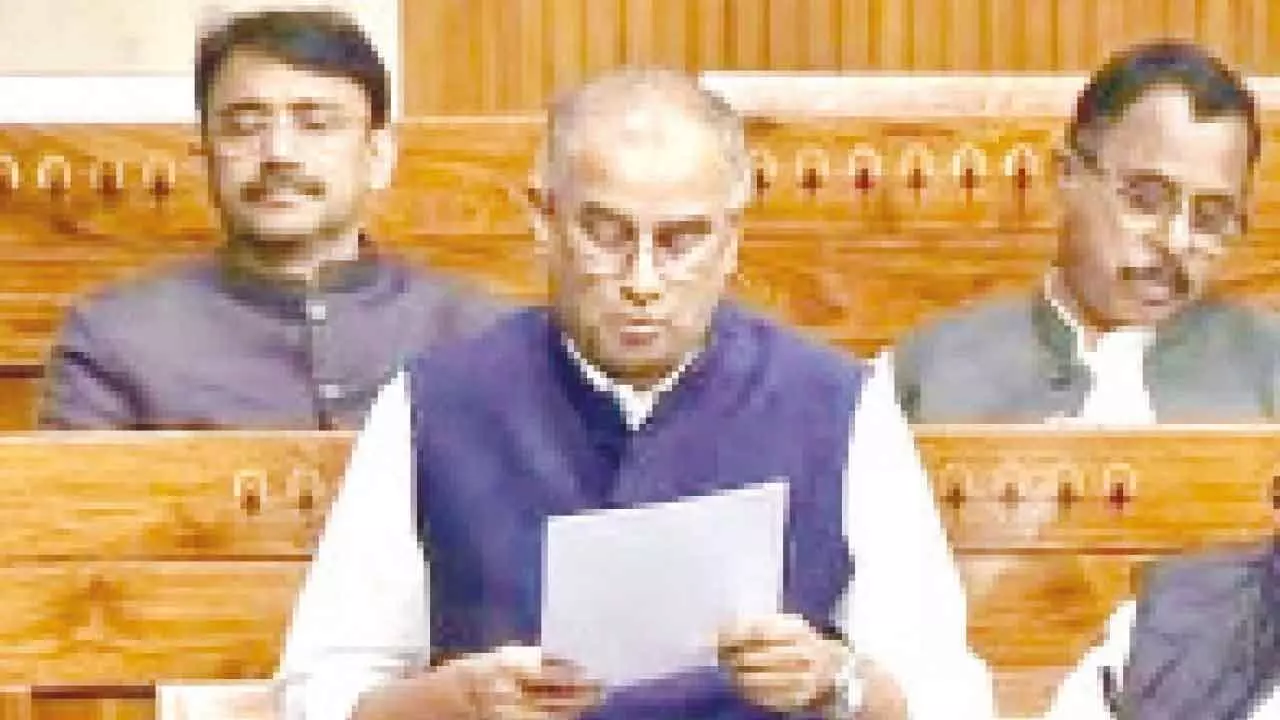
Khammam: In response to questions raised in the Lok Sabha by Khammam MP Ramasahayam Raghurama Reddy, the Central government detailed a series of initiatives aimed at ensuring livelihood support, promoting renewable energy, and strengthening food security in regions affected by coal mine closures.
During the ongoing monsoon session of Parliament, Reddy posed three critical questions related to the just transition process, the progress of renewable energy projects, and the implementation of the National Food Security Act (NFSA). The replies, provided in writing by Union Ministers, highlight the Centre’s multi-pronged approach toward sustainable development and welfare.
Union Minister for Coal and Mines, G Kishan Reddy, stated that under the mining plan and closure guidelines issued on January 31, 2024, the government is actively working on rehabilitation and resettlement strategies for families affected by mine closures.
Emphasizing a “just transition”, the Minister said efforts are being made to reduce the negative impact on workers, communities, and the environment.
Providing updates on renewable energy projects, Minister of State for New and Renewable Energy Shripad Yesso Naik reported that as of June 30, 2024, India has achieved an installed capacity of 43,922 megawatts of renewable energy.
This includes contributions from the Solar Energy Corporation of India (SECI), NTPC, and other agencies.
The Centre has expedited the signing of Power Sale Agreements (PSAs) and issued updated bidding guidelines to facilitate the growth of solar and wind energy infrastructure.
On the subject of food security, Minister of State for Food and Public Distribution, Nimuben Jayantibhai Bamania, informed the House that the NFSA currently covers 81.35 crore beneficiaries, based on the 2011 Census.
The coordinated responses underscore the government’s focus on managing the socio-economic transition from coal dependency while ensuring essential services like food distribution remain robust and inclusive.