Bangladesh, China Sign Key Deals on Trade, Investment, and Culture

Bangladesh, China Sign Key Deals on Trade, Investment, and Culture
Bangladesh and China signed multiple agreements to enhance trade, investment, and cultural cooperation during Chief Adviser Muhammad Yunus’ visit to Beijing.
Bangladesh and China signed one economic and technical cooperation agreement along with eight Memorandums of Understanding (MoUs) covering various sectors, including cultural heritage, news exchange, media, sports, and health. The agreements were finalized in Beijing during Bangladesh’s Chief Adviser Muhammad Yunus’ visit, according to the Chief Adviser’s Press Wing.
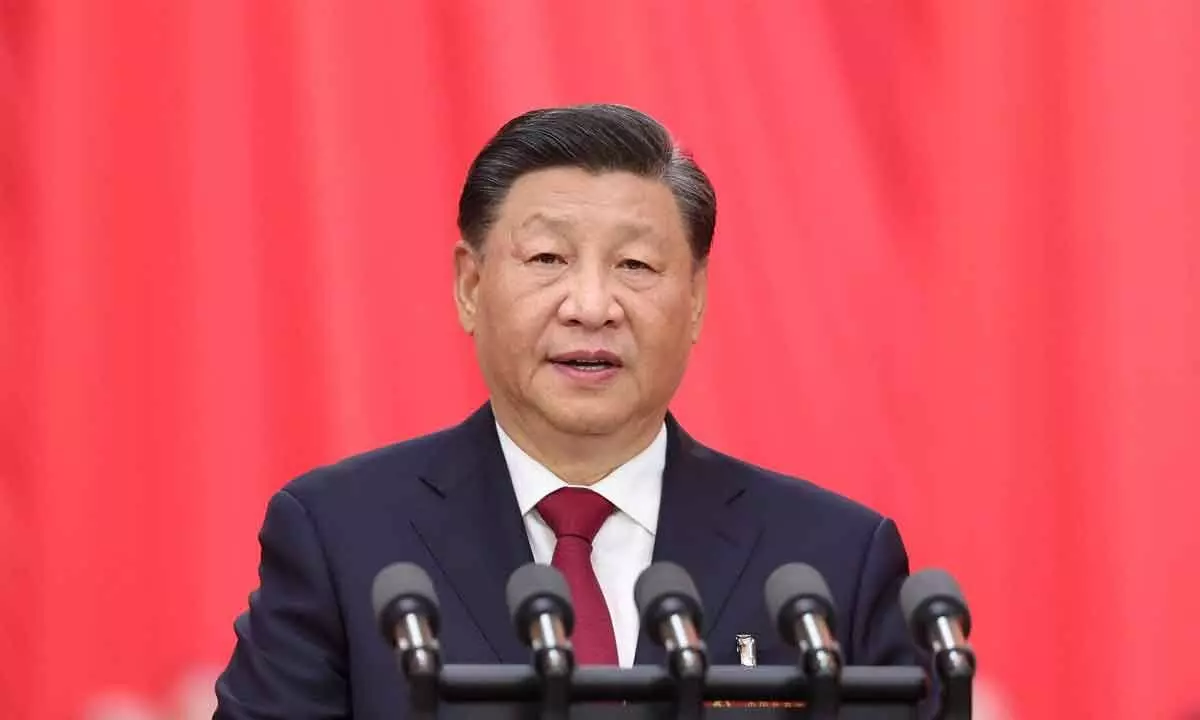
During the visit, Yunus met with Chinese President Xi Jinping, and both sides issued a joint statement. The statement announced five additional initiatives: formal negotiations on investment, the launch of the China Industrial Economic Zone, a commercial agreement for the modernization and expansion of Mongla Port, the establishment of a robot physiotherapy and rehabilitation center, and the donation of a cardiac surgery vehicle.
Bangladesh reaffirmed its commitment to the One-China principle, recognizing the People's Republic of China as the sole legal government representing China and opposing any form of "Taiwan independence." Dhaka also expressed support for Beijing’s core interests and sovereignty efforts.
The joint statement further highlighted Bangladesh’s willingness to collaborate with China in developing the Chinese Economic and Industrial Zone (CEIZ) in Chattogram. It also welcomed Chinese participation in the modernization of Mongla Port and the Teesta River Comprehensive Management and Restoration Project (TRCMRP).
Yunus and Xi discussed key bilateral matters, including trade and investment. Shariqul Alam, Press Secretary to the Chief Adviser, described the discussions as significant and productive. Yunus emphasized the historical ties between the two nations, noting the 50th anniversary of their diplomatic relations. Xi expressed China’s intent to encourage investment in Bangladesh.
Water resource management, including cooperation on the Teesta River project, was also on the agenda. Alam indicated that China responded positively to Bangladesh’s concerns and expressed optimism about strengthening bilateral relations.