Trump-Modi Partnership Strengthens As US-India Trade Agreement Nears Final Stage

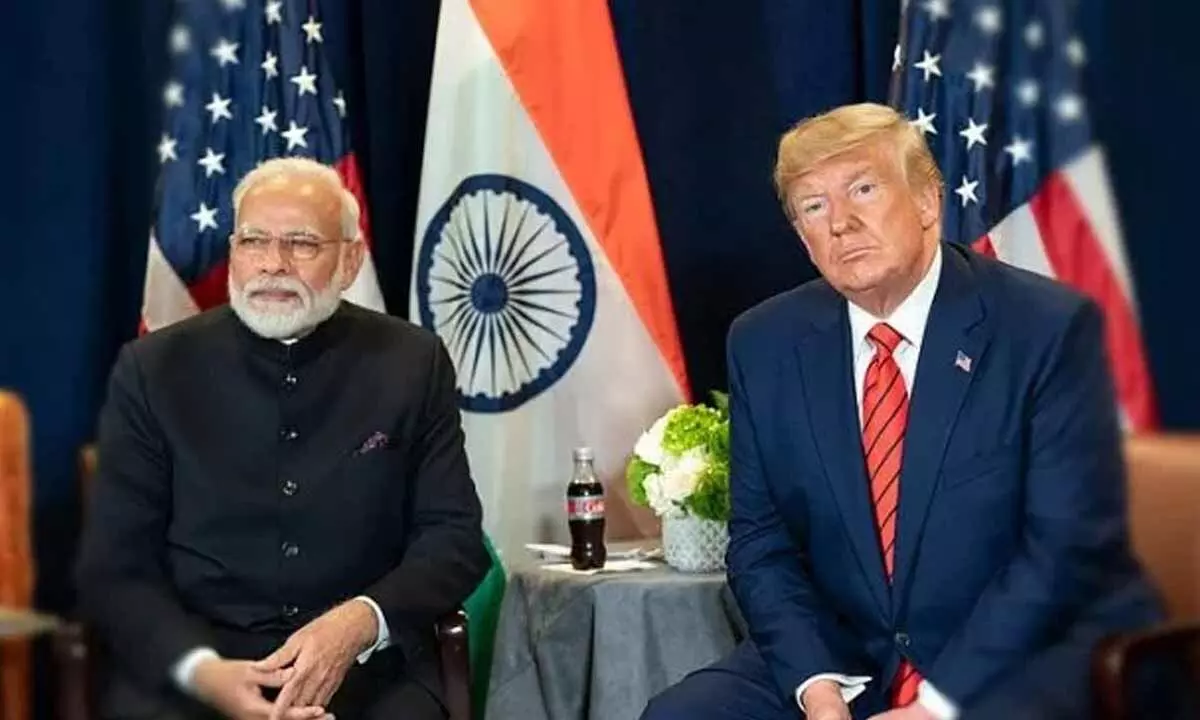
Trump Indicates Tariff Reductions May Lead to US-India Trade Agreement
White House confirms US-India trade deal is close to completion as President Trump and PM Modi maintain strong diplomatic ties, with bilateral negotiations intensifying ahead of tariff deadlines.
The White House has confirmed that a comprehensive trade agreement between the United States and India is approaching finalization, highlighting the robust partnership between President Donald Trump and Prime Minister Narendra Modi. White House Press Secretary Karoline Leavitt emphasized during Monday's briefing that the two leaders maintain excellent relations and that negotiators are putting finishing touches on the landmark deal.
Leavitt revealed that she had recently consulted with the Secretary of Commerce, who was present in the Oval Office with President Trump to discuss the agreement's progress. The administration expects to announce specific details about the India trade package in the coming days, with Trump's trade team preparing for imminent public disclosure of the terms.
The strategic importance of India in America's Asia-Pacific policy was underscored during the briefing, with officials describing the relationship as crucial for regional stability. This comes as External Affairs Minister S. Jaishankar participates in the QUAD Foreign Ministers' Meeting in the United States, representing the four-nation alliance that includes Australia, Japan, India, and America working toward Indo-Pacific security.
A significant diplomatic milestone was reached when Trump accepted Modi's invitation to attend the next QUAD Summit in New Delhi. Foreign Secretary Vikram Misri confirmed that the American president expressed enthusiasm about visiting India, demonstrating the personal rapport between the two leaders that has facilitated these trade discussions.
The current round of bilateral negotiations began on June 26, with India's chief negotiator Rajesh Agrawal leading a delegation in Washington for intensive two-day talks. The primary objective centers on reaching an early harvest agreement before the United States implements country-specific reciprocal tariffs affecting 57 nations, including India, scheduled for July 9.
Negotiators are working toward an interim arrangement that would establish the foundation for the first phase of a comprehensive Bilateral Trade Agreement by September or October 2025. Following this initial phase, both countries plan to pursue a complete free trade agreement with the ambitious goal of doubling bilateral commerce to $500 billion by 2030.
India's negotiation strategy focuses on securing the elimination of existing and planned retaliatory tariffs, particularly the 26% reciprocal duty structure that includes a 10% levy implemented in April and an additional 16% increase set to begin in July. Sources familiar with the discussions indicate that most preliminary agreement elements have been resolved, though final approval depends on political leadership addressing remaining contentious issues.
The Indian delegation is also pressing for the removal of safeguard duties currently under World Trade Organization challenge, including 50% tariffs on steel and aluminum products and 25% duties affecting automotive imports and components. In exchange, India anticipates proportional reductions in America's most favored nation tariff rates, creating a more balanced trading relationship between the world's largest democracies.