Delhi Implements Fuel Ban For 62 Lakh Aging Vehicles To Combat Air Pollution

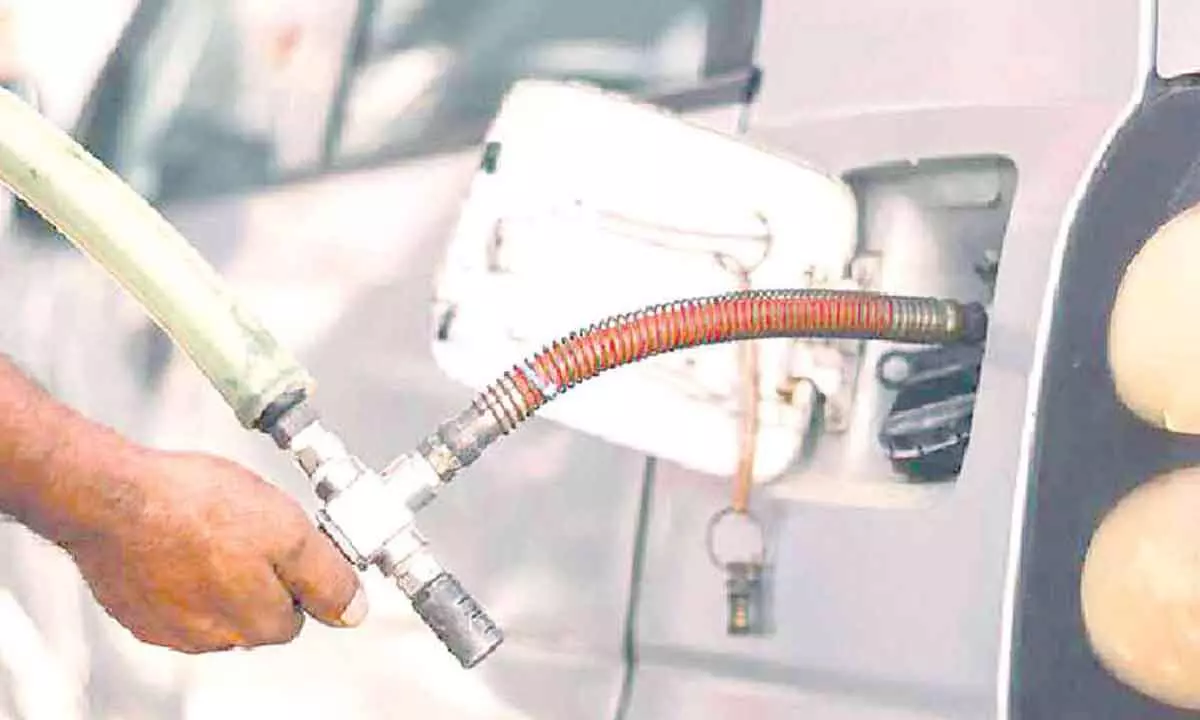
Delhi enforces fuel ban on end-of-life vehicles aged 10-15 years starting today, affecting 62 lakh vehicles as part of air quality improvement measures with ANPR camera monitoring at petrol pumps.
Delhi residents may notice new signage at fuel stations declaring that petrol and diesel will not be dispensed to end-of-life vehicles, marking the beginning of an ambitious environmental initiative targeting the capital's severe air pollution crisis. The Delhi government has implemented a comprehensive fuel ban affecting vehicles that have exceeded their prescribed operational lifespan, specifically targeting petrol vehicles over 15 years old and diesel vehicles over 10 years old.
This sweeping measure directly addresses the fact that vehicles constitute the largest source of pollution in Delhi, contributing more than half of all local emissions according to research conducted by the Centre for Science and Environment released in November 2024. The staggering impact of this policy will be felt across approximately 62 lakh vehicles in Delhi alone, with additional effects rippling through the National Capital Region where Haryana has 27.5 lakh overaged vehicles, Uttar Pradesh has 12.69 lakh, and Rajasthan accounts for 6.2 lakh such vehicles.
The enforcement mechanism represents a coordinated effort involving multiple agencies working in tandem to ensure compliance. The Commission for Air Quality Management has issued Statutory Direction No 89, which mandates strict action against all categories of end-of-life vehicles including goods carriers, commercial vehicles, vintage automobiles, and two-wheelers throughout the NCR. The Transport Department has developed a comprehensive deployment strategy that positions Delhi Police, Traffic Police, and Municipal Corporation of Delhi personnel at fuel stations experiencing high volumes of overaged vehicle traffic.
Implementation involves a systematic approach where Delhi Police officers are stationed at fuel stations numbered 1 through 100, while the Transport Department has mobilized 59 specialized teams covering stations 101 through 159. Each of the 350 identified petrol pumps will have a dedicated traffic police officer responsible for monitoring and preventing fuel dispensation to prohibited vehicles, supplemented by two additional personnel to maintain order during enforcement operations.
The technological backbone of this initiative relies on Automatic Number Plate Recognition cameras installed at 498 fuel stations across the city. These sophisticated systems are integrated with the VAHAN database, enabling real-time cross-verification of vehicle registration details and automatic alerts to fuel station operators when an overaged vehicle attempts to refuel. The same data is simultaneously shared with enforcement agencies to facilitate vehicle impounding and scrapping procedures.
Despite the government's determination to improve air quality, ground-level concerns have emerged regarding the practical implementation of this ambitious scheme. Nischal Singhania, a Delhi petrol dealer, expressed reservations about the lack of preliminary testing, questioning the sustainability of enforcement presence and the potential consequences for fuel station operators who might inadvertently serve prohibited vehicles. He advocates for simultaneous rollout across the entire NCR to ensure uniform enforcement and prevent circumvention through cross-border refueling.
Commuters have echoed similar concerns about the abrupt implementation without adequate public awareness campaigns. Mohit, a regular commuter, highlighted the particular challenges facing uneducated populations and transit passengers who may be unaware of the new restrictions. His suggestion for a trial period of 15 to 30 days reflects broader community sentiment about the need for phased implementation with proper public education.
Field visits to fuel stations revealed additional implementation challenges, with staff at a Green Park location admitting they had not received proper training on denial procedures for violating vehicles. This gap between policy announcement and ground-level preparedness raises questions about the immediate effectiveness of the enforcement mechanism.
Vehicle owners have raised concerns about the blanket nature of the ban, arguing that well-maintained older vehicles that pass pollution tests should not be penalized alongside genuinely harmful vehicles. The suggestion that all drivers should possess valid Pollution Under Control Certificates reflects a preference for performance-based rather than age-based restrictions.
The policy represents a significant shift in Delhi's approach to vehicular pollution control, moving from incentive-based scrapping programs to mandatory fuel access restrictions. While the environmental objectives are clear, the success of this initiative will largely depend on consistent enforcement, public cooperation, and the government's ability to address legitimate concerns about implementation fairness and economic impact on vehicle owners who may not have the immediate means to replace their aging vehicles.