Delhi’s old vehicle ban hits a roadblock

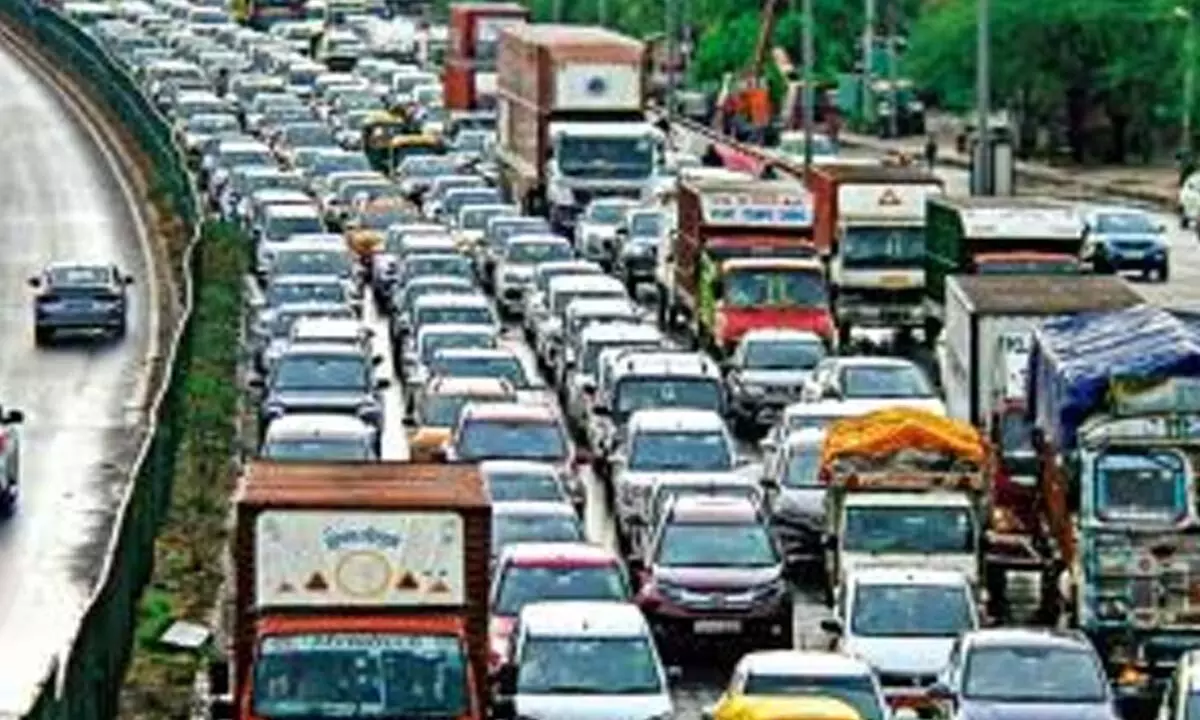
New Delhi: The enforcement of Delhi’s old vehicle ban has run into a major roadblock, with mounting opposition and legal constraints delaying any immediate action. While the Commission for Air Quality Management (CAQM) is expected to issue a fresh directive within the next three days, the process has slowed amid rising concerns from key stakeholders. A crucial meeting between the Delhi government, Petrol Pump Dealers Association, and other departments is scheduled this week, where a final decision may be taken.
Currently, CAQM’s previous order remains in effect in Delhi, with no formal discussions held yet on any new guidelines. However, officials confirm that the Delhi government has already submitted a letter to CAQM regarding new measures. Sources reveal that the Petrol Dealers Association has expressed strong opposition to the draft of the new directive. This sets the stage for possible friction in the upcoming discussions between stakeholders. In a significant development, it has come to light that the CAQM does not possess legal authority to seize vehicles. Citing this limitation, the Delhi government has temporarily halted the seizure of vehicles, putting enforcement actions on hold for the time being.
Earlier, the Delhi government had announced a ban on 10-year-old diesel vehicles and 15-year-old petrol vehicles under the Old Vehicle Policy. However, the policy faced swift backlash, forcing the government to roll back the decision within three days. In a letter to the CAQM, the Delhi government clarified that only visibly polluting vehicles would be targeted in enforcement drives, and no blanket action will be taken against older vehicles for now.
Delhi Lieutenant Governor VK Saxena also raised concerns over the proposed vehicle ban, writing to the Delhi government and urging a pause on its implementation. Saxena emphasized that Delhi lacks adequate infrastructure to support the mass removal or scrapping of older vehicles.
He further highlighted the economic burden such a move would place on the middle class, stating, “The common man invests his entire savings into buying a vehicle. It is unfair to suddenly declare their vehicles illegal.” As the air quality situation remains a pressing issue in the capital, the coming days will be crucial in determining how the government, regulatory bodies, and public stakeholders align their approaches to strike a balance between environmental concerns and practical realities.