Harvard Faces Visa Crisis As Trump Administration Revokes Certification For International Students

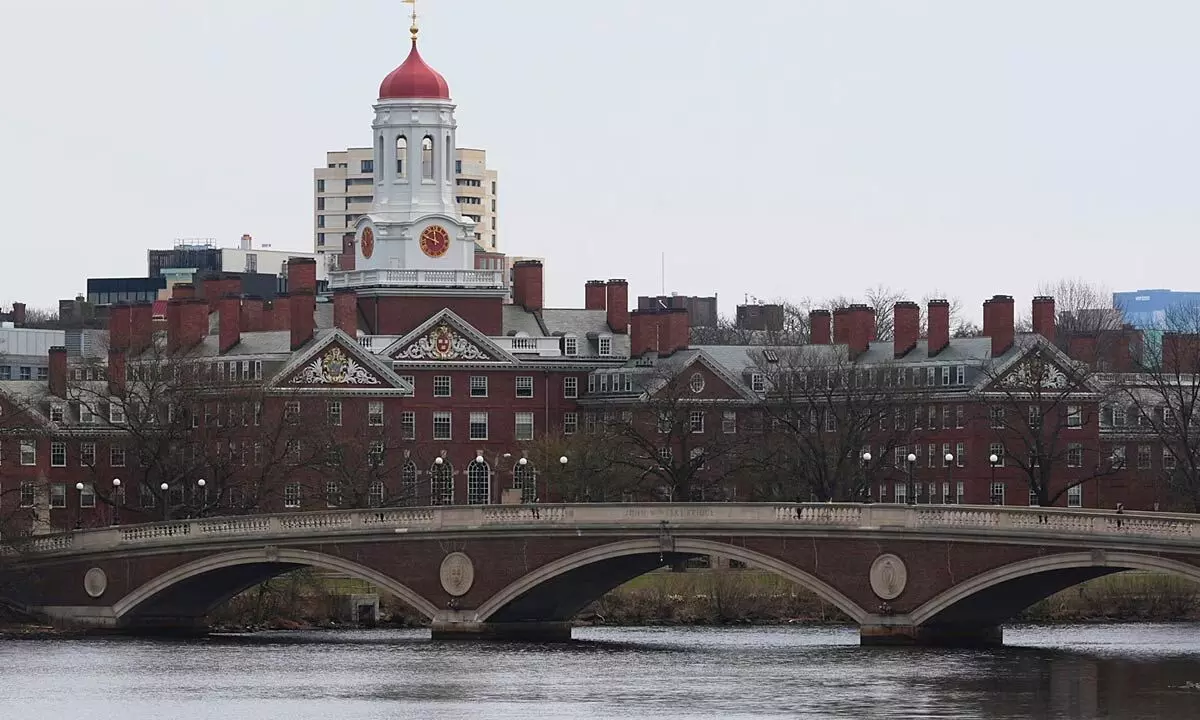
Harvard loses certification to host foreign students as DHS suspends SEVIS access, leaving 6,800 students in visa limbo amid rising political tensions.
In a dramatic escalation of tensions between the U.S. government and academia, the Department of Homeland Security (DHS) has revoked Harvard University's authorization to host international students. This move, announced by Homeland Security Secretary Kristi Noem, effectively removes Harvard from the Student and Exchange Visitor Information System (SEVIS), rendering it unable to legally support or verify the visa status of nearly 7,000 foreign students currently enrolled.
The decision marks an unprecedented federal intervention, as SEVIS certification is typically revoked only for institutions that lose accreditation or cease operations. In this case, however, the DHS cited concerns over Harvard's campus environment, accusing it of promoting anti-American sentiments and failing to protect Jewish students — allegations tied to ongoing protests and the university's diversity, equity, and inclusion (DEI) policies.
Harvard has been given 72 hours to respond to DHS demands for extensive student records, including protest surveillance footage and disciplinary histories. Failure to comply could result in permanent removal from SEVIS.
The implications for students are dire. While those completing their degrees this term can graduate, the rest must urgently transfer to another SEVP-certified institution or face potential deportation. The transfer process, especially at this time of year and academic level, is both logistically complex and emotionally taxing.
Though student visas have not been formally revoked, they are now effectively unusable — without SEVIS access, Harvard cannot confirm the full-time enrollment required to maintain legal visa status. Many students are caught in a limbo, unable to transfer quickly or secure alternative legal residency.
This move is the latest in a series of clashes between the Trump administration and elite academic institutions, particularly over campus responses to the Gaza conflict and the presence of DEI initiatives. The federal government has already frozen over $2.7 billion in grants to Harvard and hinted at revoking its tax-exempt status. Harvard, in turn, has filed a lawsuit challenging what it calls politically motivated overreach.
University officials have condemned the SEVIS suspension as unlawful and pledged support for affected students. As legal battles unfold, the future of thousands of international scholars hangs in the balance — with the courts potentially determining the outcome of this high-stakes confrontation.