High Court Judge Seeks Anonymity In Supreme Court Challenge Against Removal Recommendation

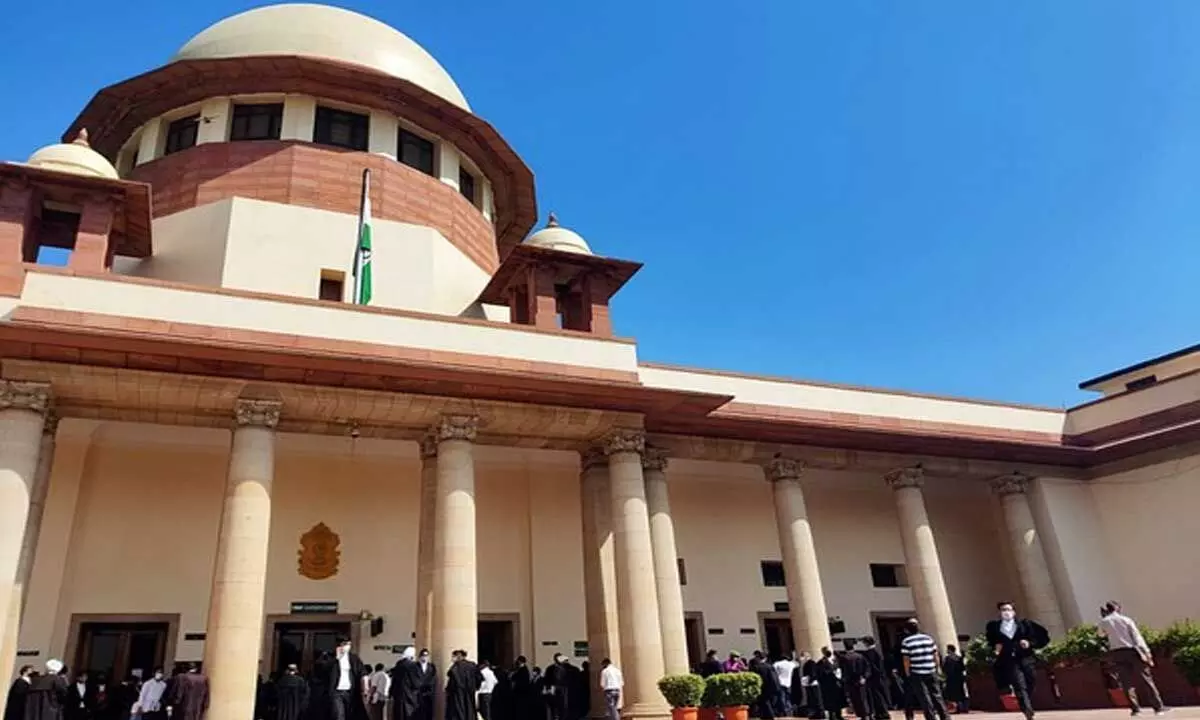
Supreme Court of India
- Justice Yashwant Varma files anonymous petition in Supreme Court contesting inquiry panel's recommendation for his removal following discovery of cash at his residence.
- Judge argues confidentiality necessary to protect reputation amid ongoing proceedings.
A serving High Court justice has taken the extraordinary step of filing an anonymous petition before the Supreme Court, challenging an inquiry committee's recommendation for his dismissal following the discovery of substantial cash at his official residence. Justice Yashwant Varma's case appears on Monday's Supreme Court cause list under the unusual designation "XXX vs The Union of India," reflecting his successful request to conceal his identity in the legal proceedings.
The unprecedented use of anonymity for a sitting judge marks a departure from standard judicial practice, as the "XXX" designation typically reserves for sexual assault survivors, rape victims, and cases involving minors to protect their identities from public exposure. Justice Varma's legal team successfully argued that disclosure of his identity at this stage would cause irreversible damage to his standing and professional reputation.
The controversy stems from an incident on March 14 when fire personnel responding to a blaze at Justice Varma's official Delhi residence discovered a significant cache of currency. The judge was absent from the property when the fire occurred and the subsequent discovery was made. The incident immediately triggered concerns about the source and nature of the funds found within the judicial officer's residence.
Following the discovery, the Supreme Court constituted an internal inquiry panel to investigate the circumstances surrounding the cash findings. The committee conducted a thorough examination of the evidence and circumstances, ultimately concluding that substantial grounds existed to support allegations against the judicial officer. The panel determined that Justice Varma and his family members maintained active oversight and control over the specific room where the monetary cache was located.
The inquiry committee's findings proved damaging to Justice Varma's position, as the panel established what it termed "sufficient substance" to the allegations under investigation. This conclusion formed the basis for the committee's recommendation that the judge be removed from his position, setting in motion the current legal challenge and the broader impeachment process that now looms over his judicial career.
Justice Varma's legal response centers on his contention that the internal inquiry process was fundamentally flawed in its execution and methodology. His petition argues that the investigation suffered from procedural deficiencies and relied primarily on speculative questioning rather than concrete evidence or formal complaints. The judge maintains that the inquiry failed to meet established standards for such proceedings and therefore cannot serve as a valid basis for removal recommendations.
In his Supreme Court filing, Justice Varma emphasizes the confidential nature of internal judicial inquiries and argues that public disclosure of his identity would compromise the integrity of this confidentiality principle. He contends that premature revelation of his involvement would inflict irreparable harm to his professional standing, particularly given that the allegations against him remain unproven and subject to ongoing legal challenge.
The judge's petition specifically references previous unauthorized media disclosures of confidential documents related to the internal inquiry, claiming these leaks resulted in distorted and prejudicial coverage that damaged his reputation. He argues that additional public exposure through court proceedings would compound this harm and potentially prejudice the outcome of his case.
Justice Varma's current assignment to the Allahabad High Court followed the initial discovery and subsequent transfer from his previous posting. The reassignment occurred as part of the administrative response to the ongoing investigation and inquiry process, though the judge continues to maintain his judicial position pending the resolution of the removal proceedings.
The case presents the Supreme Court with complex questions regarding judicial accountability, procedural fairness, and the balance between transparency and protecting individual rights within the judicial system. The court must weigh Justice Varma's arguments for anonymity against principles of open justice and public accountability for judicial officers.
The impeachment proceedings currently pending in Parliament represent a parallel track to the Supreme Court challenge, as the legislative body considers whether to act on the inquiry committee's removal recommendation. The parliamentary process operates under different standards and procedures than the judicial review Justice Varma seeks through his Supreme Court petition.
The timing of Justice Varma's legal challenge, filed on July 18, demonstrates his determination to contest both the inquiry findings and the then-Chief Justice's formal recommendation for his removal. His petition seeks complete nullification of the inquiry report and the official recommendation that emerged from the internal investigation process.