Kamal Haasan Refuses To Apologize Over Kannada Language Controversy

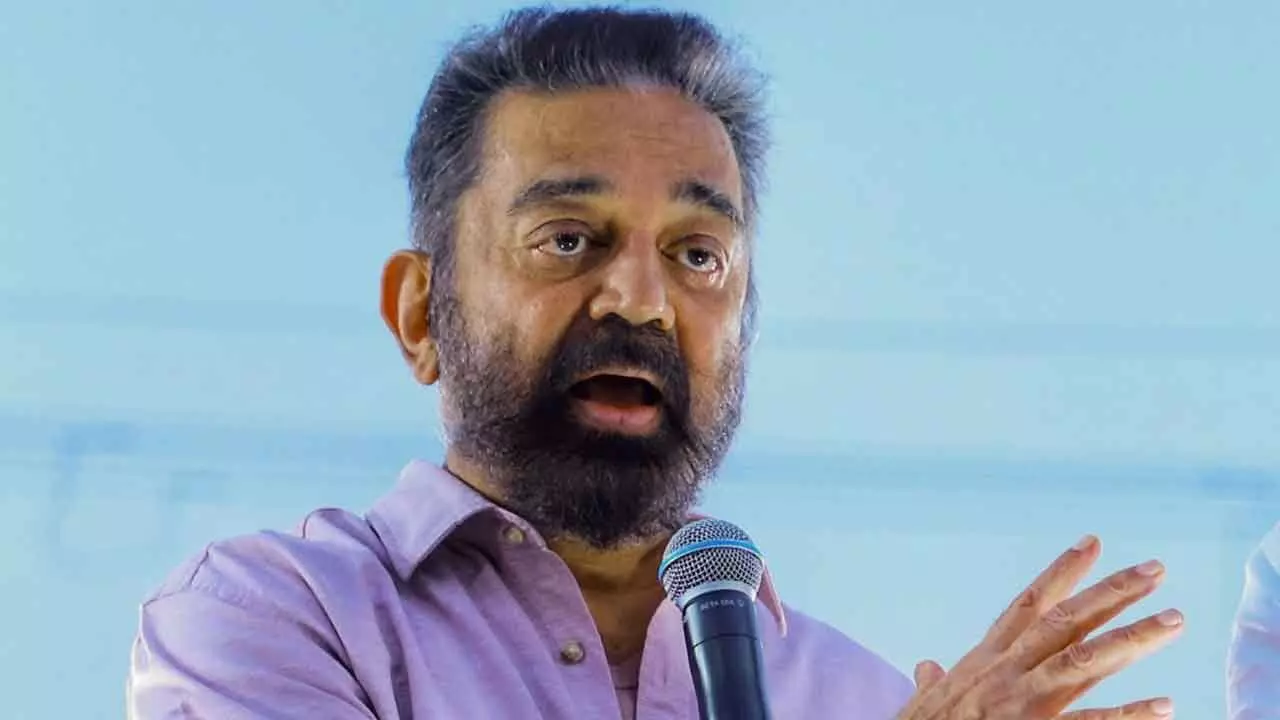
Veteran actor Kamal Haasan stands firm on his controversial statement about Kannada's Tamil origins, refusing to apologize despite Karnataka film ban and political backlash over linguistic remarks.
Veteran actor Kamal Haasan has maintained his defiant stance regarding controversial remarks about the Kannada language, declaring he will only offer an apology if proven factually incorrect. The 70-year-old actor-politician dismissed mounting pressure from Karnataka's film industry and political establishment, emphasizing his commitment to personal principles over public appeasement.
Speaking exclusively to India Today, Haasan articulated his position with characteristic resolve, stating that apologizing when not in the wrong contradicts his fundamental approach to life. He urged critics not to interfere with his established lifestyle choices, while affirming his belief in India's democratic values and judicial system.
The controversy erupted following Haasan's comments during a promotional event for his upcoming film "Thug Life," where he claimed that Kannada language originated from Tamil. The statement was made while addressing actor Shivarajkumar from Karnataka, as Haasan explained his opening phrase "Uyire Urave Tamizhe," meaning "My life and my family is Tamil."
During the event, Haasan elaborated on his linguistic perspective, describing Shivarajkumar as family residing in another state before making the contentious assertion about Kannada's Tamil origins. This explanation was intended to demonstrate the interconnectedness of South Indian communities but instead triggered widespread outrage across Karnataka.
The Karnataka Film Chamber of Commerce responded decisively by announcing a complete ban on "Thug Life's" release within the state. This action followed their ultimatum demanding a public apology from Haasan, which he has categorically refused to provide. When questioned about these threats, the seasoned actor remained unfazed, noting that he has faced similar challenges previously.
Political leaders across Karnataka's spectrum united in condemning Haasan's remarks, with both ruling Congress and opposition BJP officials expressing strong disapproval. Chief Minister Siddaramaiah criticized the actor's understanding of Kannada's historical significance, emphasizing the language's extensive heritage that predates the claims made during the promotional event.
State Minister for Backward Classes Welfare, Kannada and Culture, Shivaraj Tangadagi, escalated the response by formally requesting the Film Chamber to ban Haasan's movies. His letter emphasized that regardless of an individual's stature, statements that offend regional sentiments regarding land, water, and language cannot be tolerated.
The minister's correspondence stressed that Haasan should immediately apologize to all Kannadigas, warning that failure to do so would result in permanent bans on his films throughout Karnataka. This represents a significant escalation in the controversy, potentially affecting Haasan's commercial prospects in the neighboring state.
Contrasting this regional backlash, the Tamil film industry has rallied behind Haasan, with prominent actors and industry members expressing solidarity. Kollywood personalities including Divya Spandana and Vinodhini Vaidyanathan have publicly supported the veteran actor, arguing that all South Indian languages share Dravidian linguistic roots.
These supporters have characterized the controversy as an unnecessary commotion, pointing to the common linguistic heritage that connects various South Indian languages. Their backing reflects broader Tamil cinema industry solidarity with one of its most respected figures during this challenging period.
The timing of this controversy carries additional political significance, as Haasan leads the Makkal Needhi Maiam party, which maintains alliance ties with the DMK. Reports indicate that he is being considered as the DMK's nominee for a Rajya Sabha position, adding another layer of complexity to the current situation.
Pro-Kannada organizations and cultural groups have joined the chorus of criticism, viewing Haasan's statements as an attack on their linguistic identity and cultural heritage. Their mobilization demonstrates the sensitive nature of language-related discussions in India's diverse linguistic landscape.
The controversy highlights ongoing tensions regarding linguistic pride and regional identity in South India, where language often serves as a crucial marker of cultural distinction. Haasan's refusal to apologize, coupled with his emphasis on democratic principles and personal integrity, reflects his determination to maintain his position despite mounting pressure.
As the standoff continues, the broader implications extend beyond individual careers to encompass questions about artistic freedom, regional sensitivity, and the complex dynamics of India's multilingual society. The resolution of this controversy may influence future discourse on linguistic relationships and cultural expression in the entertainment industry.