Tomato prices crash to Rs 2 per kg

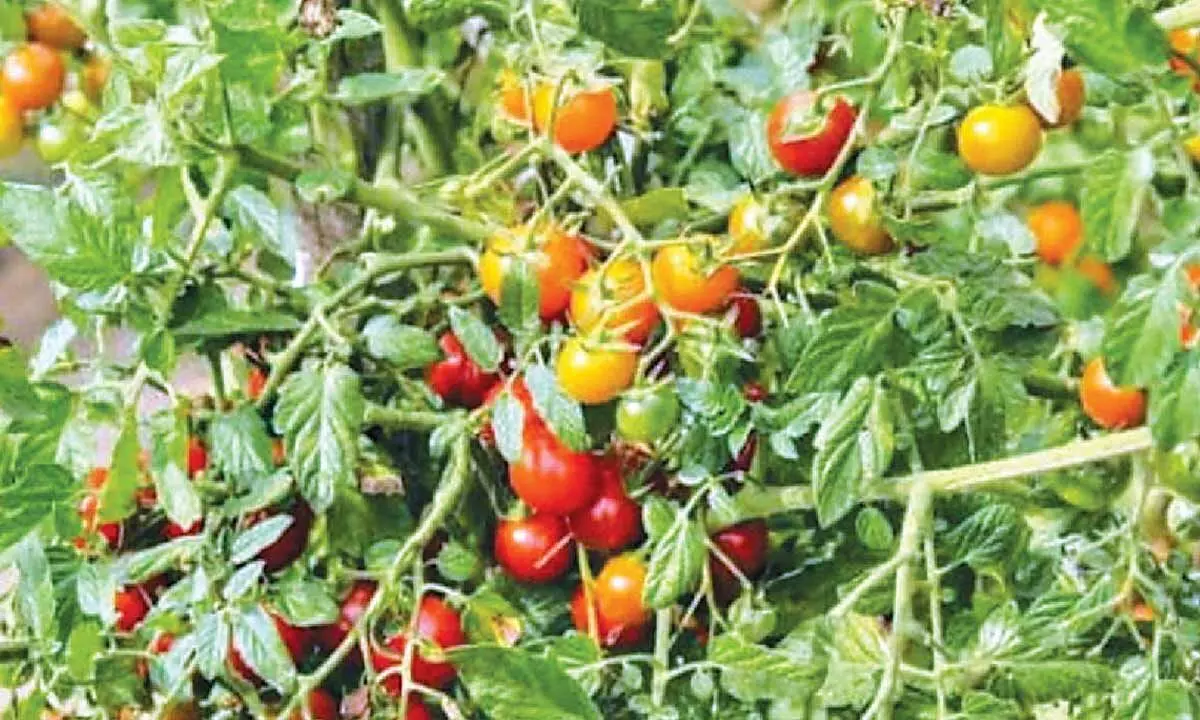
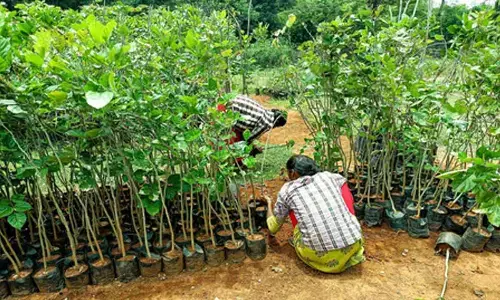
Berhampur: Ina tragic twist of fate for the hardworking farmers of Gajapati district, fields once glowing with the red bounty of tomatoes have now become silent witnesses to despair, as growers are forced to abandon their ripe harvest due to a dramatic collapse in prices in the wholesale market.
Farmers across Gajapati district have alleged that the current tomato season has brought them severe financial distress. While the demand for tomatoes remained encouraging during the early months of the year, the situation has drastically changed in recent days. Wholesale traders in the daily markets are now offering a meagre Rs 2 to Rs 3 per kg, leaving cultivators helpless and disheartened.
Unable even to recover the labour cost required to pluck and transport the produce, many farmers are compelled to leave the ripened tomatoes scattered across their fields. “The price we are getting is less than the cost of picking the tomatoes,” lamented several farmers, adding that harvesting the crop itself would push them further into loss.
The Gosani and Kashinagar blocks of Gajapati district are widely known as major hubs of vegetable cultivation. Every year, farmers grow a variety of crops such as cabbage, maize, tomatoes, brinjal and leafy vegetables to sustain their livelihoods. The region has long been regarded as a vibrant Pariba Bazaar, supplying vegetables not only across Odisha but also to neighbouring Andhra Pradesh.
However, this year an overwhelming production of tomatoes coupled with weak market demand has pushed prices to rock-bottom levels. Farmers say that after spending nearly Rs 2 to Rs 3 per kg on harvesting and transporting tomatoes from fields to roadside collection points, selling them in the wholesale market yields no profit at all.
Adding to their plight is the absence of cold storage facilities in Gajapati district. Without any government or private cold storage units, farmers are left with no option to preserve their produce during peak harvest periods, forcing them to sell at distress prices.
Voicing their anguish, the farmers have urged the government to establish cold storage infrastructure at the earliest so that cultivators can store their produce and secure fair remuneration for their hard-earned harvest, rather than watching it perish in the fields.