US Financial Firm Links Trump's Record India Tariffs To Denied Kashmir Mediation Role

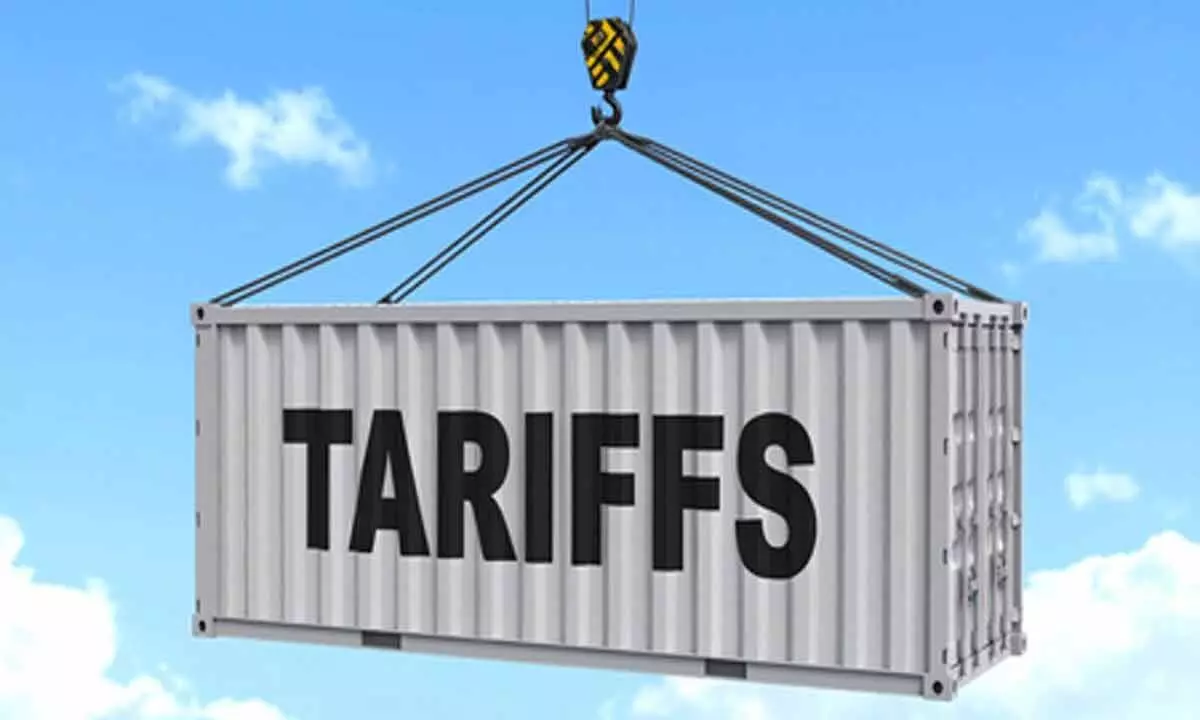
Jefferies report suggests Trump imposed 50% tariffs on India due to personal frustration over being denied mediation role in India-Pakistan disputes and Kashmir issue resolution.
A prominent American financial services firm has attributed President Donald Trump's unprecedented tariff impositions on India to his personal frustration over being excluded from diplomatic mediation efforts between India and Pakistan, particularly regarding the Kashmir dispute.
According to a comprehensive analysis by Jefferies, Trump's decision to implement a punitive 50 percent tariff rate on Indian goods represents the highest levy imposed on any American trading partner, effectively matching rates applied to Brazil. The report characterizes these measures as stemming from what it terms Trump's "personal pique" rather than purely economic considerations.
The financial analysis suggests that Trump's motivation centers on India's firm rejection of third-party mediation in its longstanding conflicts with Pakistan. The report indicates that this denial has prevented Trump from positioning himself as a peace broker, potentially undermining his aspirations for international recognition, including Nobel Peace Prize consideration.
India has consistently maintained its position against external mediation in bilateral disputes with Pakistan, particularly concerning Kashmir. This stance represents what the country considers a fundamental diplomatic principle, refusing to compromise despite facing significant economic consequences from American trade actions.
The situation has been exacerbated by Trump's repeated public claims about preventing nuclear conflict between the South Asian neighbors through tariff threats, assertions that India has explicitly disputed. New Delhi has communicated to Washington that any ceasefire agreements resulted from direct bilateral engagement with Pakistan, not American intervention.
Trump's renewed interest in mediating the Kashmir issue earlier this year further strained relations, touching what Indian officials consider sensitive sovereignty matters. The President's theatrical approach to diplomacy, characterized by public pronouncements about conflict resolution, has clashed with India's preference for discrete bilateral engagement.
The trade conflict extends beyond political grievances to encompass agricultural market access disputes. The Trump administration has persistently sought expanded opportunities in India's agricultural and dairy sectors, areas that India considers economically and politically sensitive. These demands have contributed to stalling bilateral trade negotiations that have been ongoing since March.
India's agricultural sector employs nearly 40 percent of the national workforce, supporting approximately 250 million farmers and laborers whose livelihoods depend on current market protections. The sector's vast employment base makes any significant liberalization politically challenging for the Indian government.
The deteriorating trade relationship represents a significant shift in what had been strengthening strategic ties between the two democracies. India has traditionally served as a key American partner in counterbalancing China's growing regional influence, making the current tensions particularly concerning for broader geopolitical stability.
The Jefferies analysis emphasizes that India's willingness to absorb substantial economic costs rather than compromise on its mediation stance demonstrates the depth of its commitment to maintaining sovereignty over foreign policy decisions. This position has left Trump with what the report describes as damaged prestige and reduced opportunities for showcasing diplomatic achievements.
The comprehensive tariff package, which became fully effective on August 27, encompasses a broad range of Indian exports and represents the most severe trade action taken against India in recent decades. The measures threaten to significantly impact bilateral commerce while undermining the foundation of a strategic partnership that had been developing over multiple American administrations.
The timing of these revelations coincides with ongoing efforts by both governments to manage the fallout from deteriorating relations while addressing practical concerns about regional stability and economic cooperation in an increasingly complex global environment.