Bill Gates Identifies Three Jobs That Will Survive AI Disruption

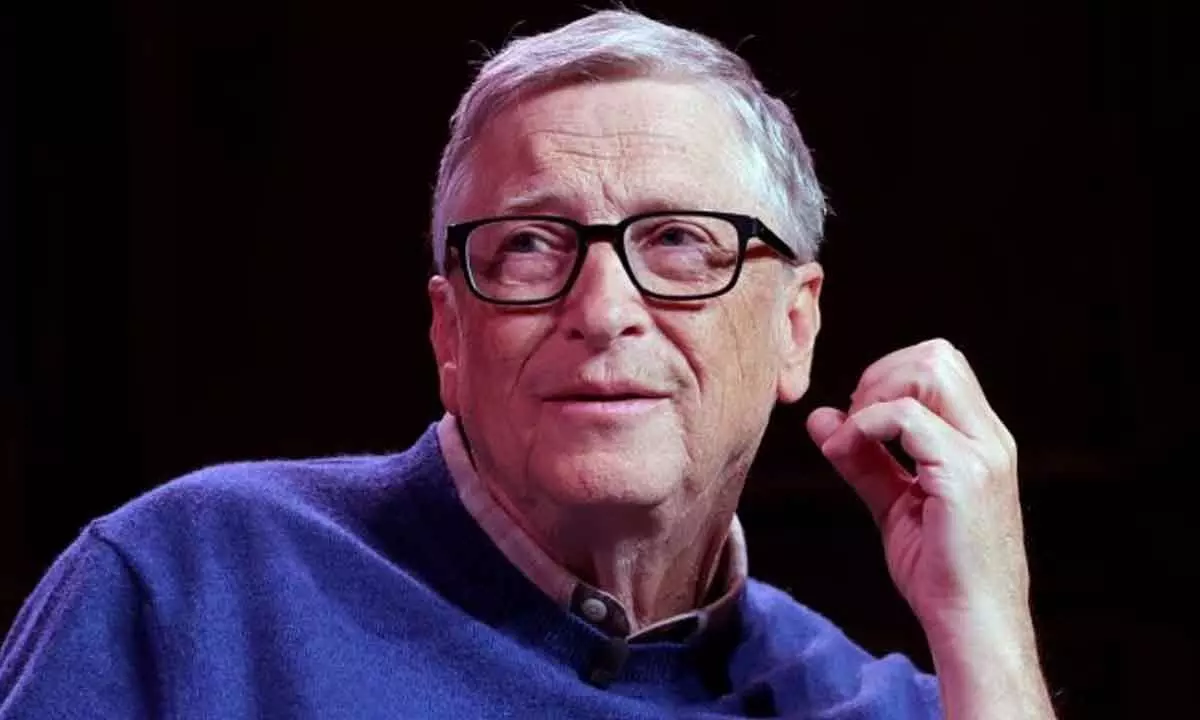
Bill Gates Identifies Three Jobs That Will Survive AI Disruption
Bill Gates predicts AI will eliminate many jobs but highlights three careers that will remain safe from automation. Find out which professions will endure.
Artificial intelligence is advancing at an unprecedented pace, raising concerns about job security across multiple industries. Bill Gates, co-founder of Microsoft, predicts that AI will reshape the employment landscape, eliminating roles once believed to be irreplaceable. Even highly skilled professions such as surgeons and chefs may not be immune to automation. However, Gates points to three careers that are expected to withstand the rapid evolution of AI.
AI is transforming industries by automating tasks traditionally performed by humans. Gates has previously discussed the potential for AI to significantly reduce the workweek, possibly leading to a future where three-day workweeks become the norm. However, while some jobs may become obsolete, others will remain essential due to their complexity and need for human intervention.
Three Careers Poised to Survive AI Disruption
1. Software Developers and AI Engineers
Despite AI’s ability to generate code, human programmers remain critical. AI systems require constant updates, error correction, and oversight. Developers play a key role in improving AI capabilities and ensuring its applications are secure and reliable. Rather than being replaced, software engineers will likely collaborate with AI to create more advanced technologies.
2. Energy Sector Professionals
Managing energy infrastructure, including renewable energy, nuclear power, and fossil fuels, involves high-level decision-making and technical expertise that AI has yet to master. Engineers, scientists, and industry professionals are required to oversee critical operations, ensure safety, and drive innovation in the energy sector. The complexity and regulatory challenges associated with energy production make full automation unlikely in the near future.
3. Biologists and Life Sciences Experts
While AI is making strides in medical diagnostics and genetic analysis, the field of biology involves intricate research and ethical considerations that necessitate human involvement. Gates suggests that while AI can enhance research, human experts will still be needed to guide scientific discoveries, conduct experiments, and address bioethical concerns. However, he notes that funding and job availability in the field could pose challenges despite its resilience to automation.
Gates acknowledges that the impact of AI is uncertain, but adapting to new technological advancements is essential. As automation continues to reshape industries, workers may need to acquire new skills to remain relevant in the evolving job market. Those outside the three protected fields might consider retraining to align with emerging opportunities.
Looking ahead, Gates predicts that current AI models will soon be replaced by more sophisticated systems capable of advanced reasoning and learning. He envisions a future where AI enhances human capabilities, potentially leading to breakthroughs in productivity and longevity.