Bharat Taxi: Government’s Driver-First Ride-Hailing App Set to Take on Ola and Uber

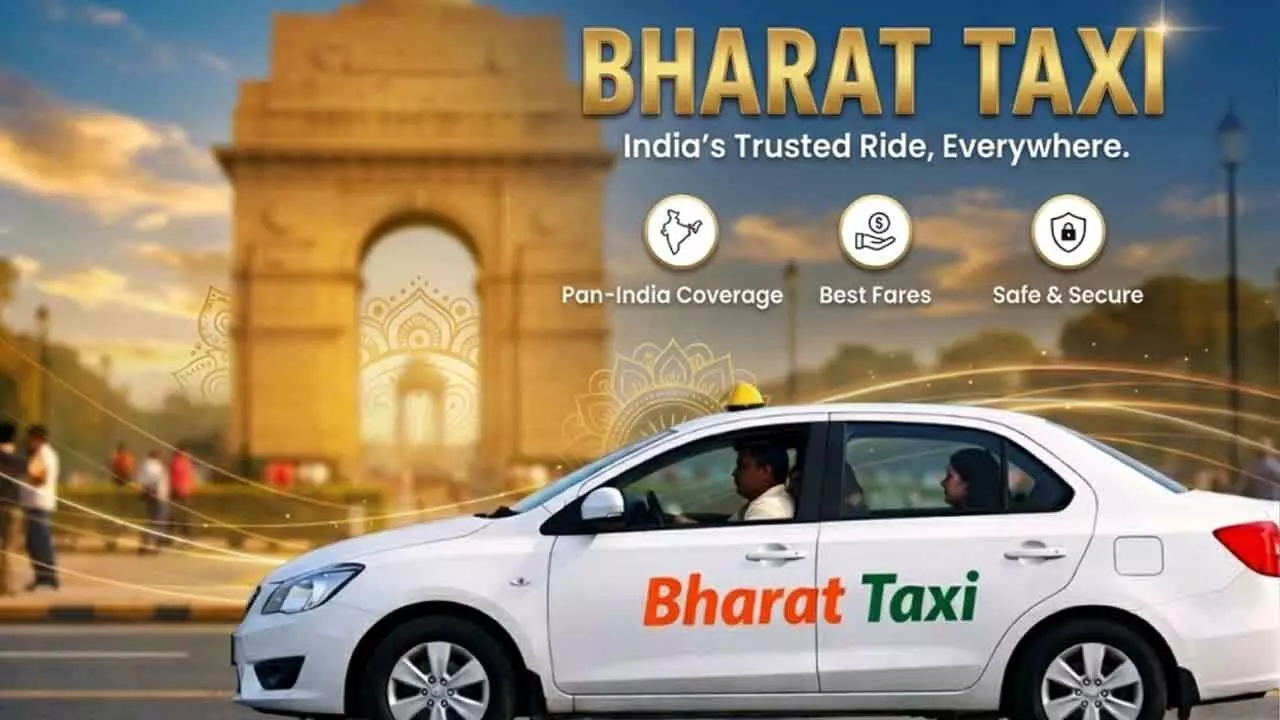
Bharat Taxi promises zero commission, better driver earnings, insurance benefits, and transparent fares as India’s first government-backed ride-hailing app.
The Indian government is preparing to launch Bharat Taxi, a new ride-hailing platform aimed at reshaping the cab aggregation market by putting drivers’ earnings and welfare at the centre of its model. Spearheaded by the Ministry of Cooperation, the initiative is expected to go live within the next one or two months and is being positioned as a strong alternative to private platforms such as Ola and Uber.
The launch was recently confirmed by Union Cooperation Minister Amit Shah, who said the service is designed to resolve long-standing income-related concerns faced by cab drivers across the country. Speaking at a conference organised by Krishak Bharati Cooperative Limited in Panchkula, Shah highlighted the need for a system where drivers, rather than aggregators, benefit from the profits generated by rides.
The core philosophy of Bharat Taxi lies in its zero-commission, profit-first model. Unlike existing platforms where a sizeable portion of the fare is retained by the company, Bharat Taxi will ensure that drivers receive the full earnings from each ride. As Shah stated, “Several companies operate taxi services in the country, but the profits go to the owners rather than the drivers. Under the initiative of the Ministry of Cooperation, ‘Bharat Taxi’ will be launched soon, and the entire profit will go to our driver brothers.”
The platform is being operated by Sahakar Taxi Cooperative Limited, backed by prominent cooperative institutions such as Amul, IFFCO, and NABARD, with the Government of India acting as the principal promoter. This cooperative structure is intended to reduce intermediaries and create a more equitable income distribution model for drivers.
Beyond higher take-home pay, Bharat Taxi also plans to provide insurance coverage to its drivers, addressing a major gap in social security within the informal transport sector. Additionally, drivers will be allowed to display advertisements on their vehicles, offering an extra stream of income beyond ride fares. These features appear to be generating early interest, with reports suggesting that over 51,000 drivers registered within days of the announcement.
For passengers, the government-backed app promises a more transparent and predictable ride experience. A key focus will be on reducing or eliminating surge pricing, which often frustrates users during peak hours or emergencies. The app is also expected to offer real-time vehicle tracking, ride-sharing details with trusted contacts, and a 24x7 customer support system.
Safety remains a major pillar of the platform. Drivers will undergo proper verification before onboarding, and the service is expected to be integrated with local law enforcement agencies, including the Delhi Police, to enhance passenger security.
A beta version of the Bharat Taxi app is already available on Android and iOS in select regions such as Delhi and parts of Gujarat. While not officially confirmed, future integrations with platforms like DigiLocker are also being considered to simplify verification and documentation processes.
As Bharat Taxi prepares for a nationwide rollout, it represents a significant experiment in cooperative-led digital mobility—one that could redefine how ride-hailing works in India.