Google to Restrict Sideloading of Apps from Unverified Developers Starting 2026

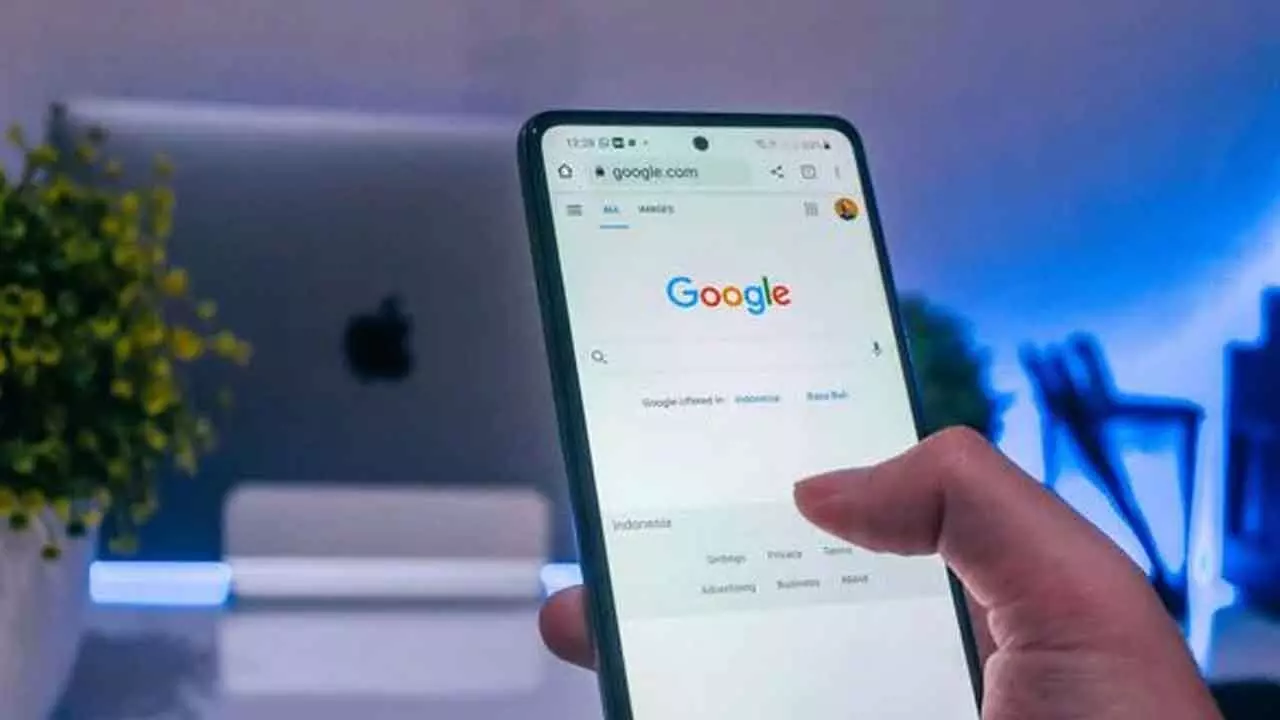
Google will require all Android app developers to be verified before their apps can be sideloaded on certified devices worldwide.
Google is preparing to introduce one of the most significant policy shifts in Android’s history — restricting the sideloading of apps from developers who are not verified. The change, set to roll out next year, represents a dramatic step toward tightening security on the world’s most widely used mobile operating system.
For years, Android has been praised for giving users the freedom to customize their devices and install apps from outside the Google Play Store, a feature that set it apart from Apple’s closed ecosystem. But this openness has also exposed users to security risks, and Google now plans to enforce stricter rules in the name of safety.
The tech giant has announced that all developers will soon need to go through a verification process before their apps can be installed on “certified Android devices.” While Google has already made verification mandatory for developers distributing apps on the Play Store since 2024, this new requirement extends the rule to third-party developers offering apps outside official channels.
The move won’t affect every Android device. Phones that don’t come with Google services pre-installed — such as some Chinese models or devices running custom ROMs — are expected to remain unaffected.
To facilitate the shift, Google is building a new Android Developer Console, a platform where developers who distribute apps outside the Play Store can register and complete their verification. The system will be piloted in October this year, with broader developer access planned for March 2026. The first rollout is expected in Brazil, Indonesia, Singapore, and Thailand by September 2026, followed by a global expansion in 2027.
Google compares the verification process to an “ID check at the airport.” It confirms the identity of the developer but does not involve reviewing or moderating the actual content of the app.
Explaining the rationale behind this shift, Google pointed to internal data showing that sideloaded apps are 50 times more likely to carry malware compared to apps installed from the Play Store. By enforcing verification, the company hopes to make it harder for malicious actors to distribute harmful apps or reappear under different identities once their apps are banned.
According to Google, its earlier move to mandate developer verification on the Play Store in 2023 led to a visible decline in cases of fraud, data theft, and malware distribution. “Bringing a similar process to Android more broadly will provide a consistent, common-sense baseline of developer accountability across the ecosystem,” the company stated in its blog post.
Industry experts suggest the timing of this policy is not accidental. Google recently lost a high-profile antitrust case against Epic Games, which forced it to allow third-party app stores on Android. These stores will now also be able to list apps from the Play Store. Analysts believe Google’s new verification policy may be a way to retain control over app distribution, even as rival app marketplaces gain momentum.
While the changes may be welcomed by those concerned about malware, critics argue that the move could undermine one of Android’s defining freedoms — the ability to sideload apps independently.
Either way, beginning in 2026, Android users who rely on sideloading will find themselves navigating a far more controlled and regulated environment.