Tim Cook May Step Down Soon: John Ternus Emerges as Apple’s Likely Next CEO

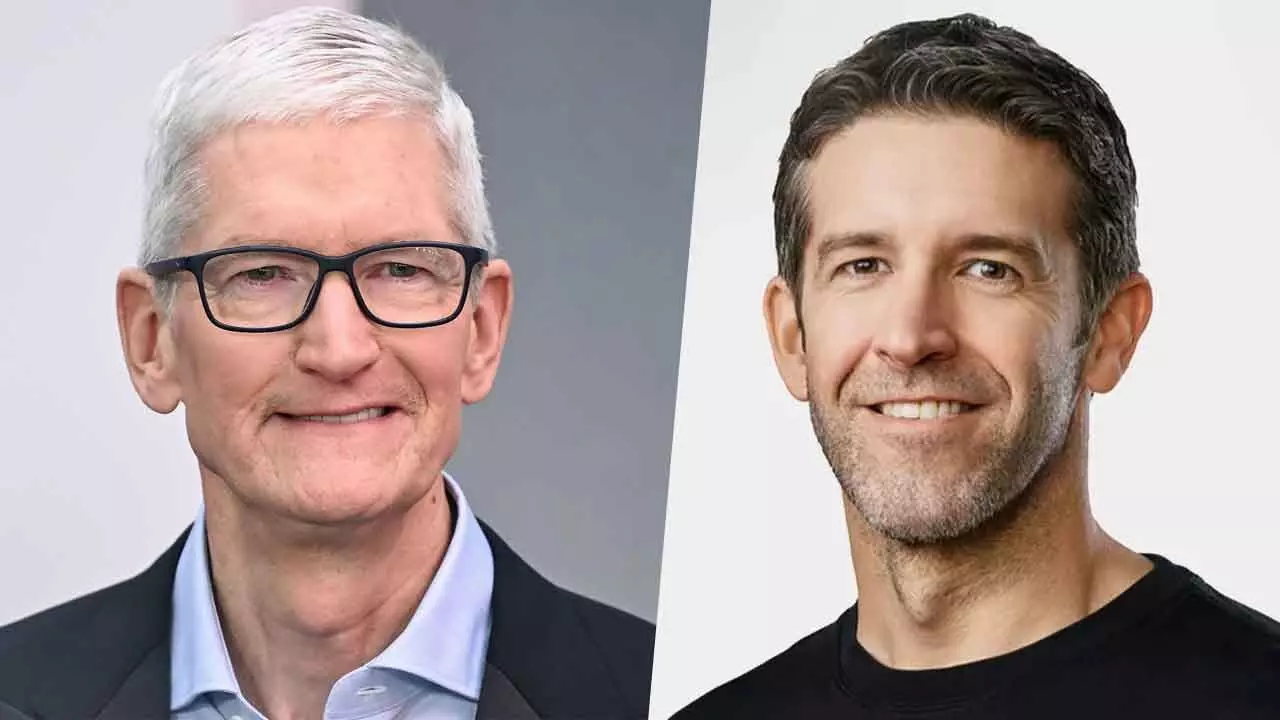
Apple is accelerating its CEO succession plans, with hardware chief John Ternus emerging as the leading contender to replace Tim Cook.
After more than a decade steering Apple to unprecedented heights, CEO Tim Cook may be preparing to hand over the reins. A recent Financial Times report suggests that the tech giant has intensified its succession planning, raising the possibility that Cook — who just turned 65 — could step aside as early as next year. While Apple has yet to make any official announcement, one name is already standing out as the strongest candidate to take over: John Ternus, the company’s Senior Vice President of Hardware Engineering.
Cook, who assumed leadership in 2011 following the passing of Steve Jobs, transformed Apple into a company valued at over $4 trillion. Under his tenure, Apple expanded its core product ecosystem and turned services, wearables, and Apple silicon into powerful drivers of revenue and brand loyalty. But even one of the world’s most composed and consistent CEOs knows that leadership transitions are inevitable.
John Ternus: The Quiet Architect Behind Apple’s Hardware Evolution
If Cook is known for operational brilliance, John Ternus represents Apple’s engineering soul. Having joined the company in 2001 — the year the original iPod debuted — Ternus has spent over two decades shaping the look, feel, and performance of Apple’s most iconic devices. His teams oversee the hardware across iPhone, iPad, Mac, AirPods, and other major product lines. In simple terms, anything with an Apple logo and a circuit board has likely passed under his watch.
Apple itself notes, “John leads all hardware engineering, including the teams behind iPhone, iPad, Mac, AirPods, and more.” Ternus played a crucial role in every generation of the iPad and was instrumental in pushing Apple into its custom chip era. His efforts were central to transitioning Macs from Intel processors to Apple’s in-house silicon — a shift widely praised for delivering impressive leaps in performance and efficiency.
Before joining Apple, Ternus worked as a mechanical engineer at Virtual Research Systems and earned a bachelor’s degree in Mechanical Engineering from the University of Pennsylvania. Colleagues describe him as meticulous and low-profile, someone who reflects Apple’s culture of precision without seeking the spotlight. If he becomes CEO, he would be only the sixth in the company’s nearly five-decade history, and notably the first leader to rise entirely from Apple’s modern hardware ranks, rather than the original Jobs-era cohort.
A Carefully Managed Transition
The FT report notes that Apple isn’t expected to formally announce a successor before its January earnings call. However, growing attention to internal planning signals a desire for a seamless leadership shift — one that protects Apple’s market stability and future strategy.
Cook’s near-14-year leadership has been transformative. When he took charge, Apple’s valuation was around $350 billion. Today, it has grown more than tenfold. Despite challenges such as slowing smartphone demand and pressures in the Chinese market, Apple remains one of the most influential companies in the world.
Cook has previously hinted that he does not intend to stay in the role indefinitely. With major transitions underway — from expanding AI efforts to ongoing developments in platforms like Vision Pro and potential new categories — the next CEO will inherit both tremendous opportunity and immense responsibility.
For now, Apple remains characteristically silent on the matter. But if the rumours prove accurate, Apple’s next big reveal may not be a new device — it could be a new leader at the top.