OpenAI May Debut ChatGPT Smart Speaker With Camera, Priced Between $200–$300

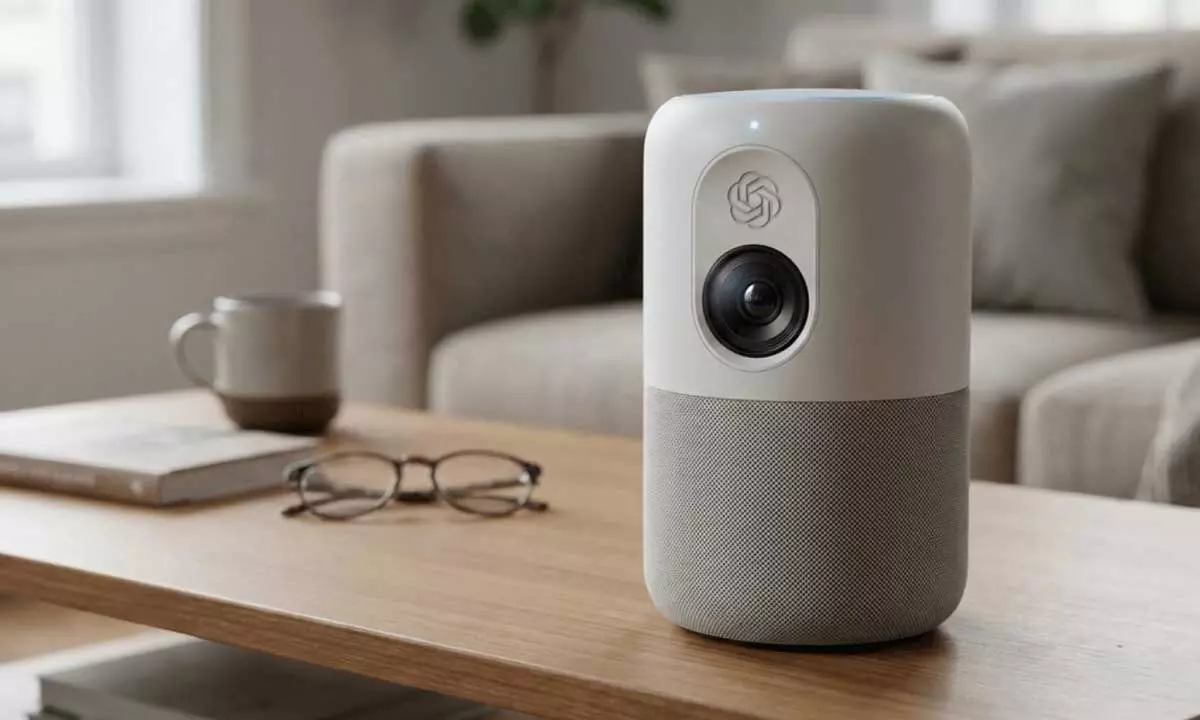
OpenAI’s first AI hardware product could be a camera-equipped smart speaker priced between $200 and $300 in the US.
OpenAI, the company behind ChatGPT, appears ready to step beyond software and into consumer hardware. According to a recent report, the Sam Altman-led firm is preparing to introduce its first physical device — a smart speaker powered by artificial intelligence and potentially equipped with a built-in camera.
The move signals OpenAI’s broader ambitions to expand its revenue streams and strengthen its ecosystem beyond AI models and enterprise services. After recruiting legendary Apple designer Jony Ive last year, OpenAI has been steadily laying the groundwork for AI-powered devices designed to blend seamlessly into daily life.
A Smart Speaker That Sees and Listens
The reported device is expected to function as more than just a voice assistant. In addition to responding to questions and enabling fluid conversations with AI, the smart speaker may include an integrated camera capable of identifying objects and possibly even users in its vicinity. This means it could recognise items placed on a nearby table or interpret ongoing discussions in the room.
Unlike conventional smart speakers that activate only after hearing a wake word, OpenAI’s product is said to be “built to track and understand ambient conversations in its immediate surroundings, giving it close to 'always-on' capabilities." That persistent awareness could allow the device to respond contextually — for example, detecting that a user is preparing late into the night before an important exam or meeting.
However, such features inevitably raise privacy concerns. With potential always-on listening and visual recognition, questions around biometric data storage, consent, and data security are likely to surface. For now, OpenAI has not clarified how it intends to address these concerns.
Face Recognition and Seamless Purchases
Another reported feature could be facial recognition technology, allowing users to unlock the device or authorise purchases — similar to Apple’s FaceID system. This would enable direct transactions through the speaker, creating a streamlined shopping experience. At the same time, integrating biometric authentication into a home device adds another layer to ongoing debates about digital privacy.
Designed by Jony Ive’s Team
The hardware design is reportedly being led by Ive, whose design startup io was acquired by OpenAI in May 2025 for $6.5 billion. Around 200 employees are believed to be working on the company’s hardware projects, suggesting a serious, long-term commitment rather than a side experiment.
Launch Timeline and Pricing
OpenAI is not expected to launch the smart speaker before early 2027. When it does arrive, the device may be priced between $200 (roughly Rs 18,000) and $300 (roughly Rs 27,000) in the United States, placing it competitively among premium smart speakers.
The company’s broader hardware roadmap reportedly includes smart glasses, a smart lamp, and even an in-ear audio device codenamed “Sweetpea.” Meanwhile, competitors such as Apple Inc. are also exploring AI-powered wearables and accessories, intensifying the race to define the next generation of intelligent personal devices.
If realised, OpenAI’s first hardware product could mark a significant shift — transforming ChatGPT from a screen-based assistant into a constant physical presence in homes worldwide.