OpenAI Teases GPT-5.4 Launch Amid User Backlash Over US Military AI Deal

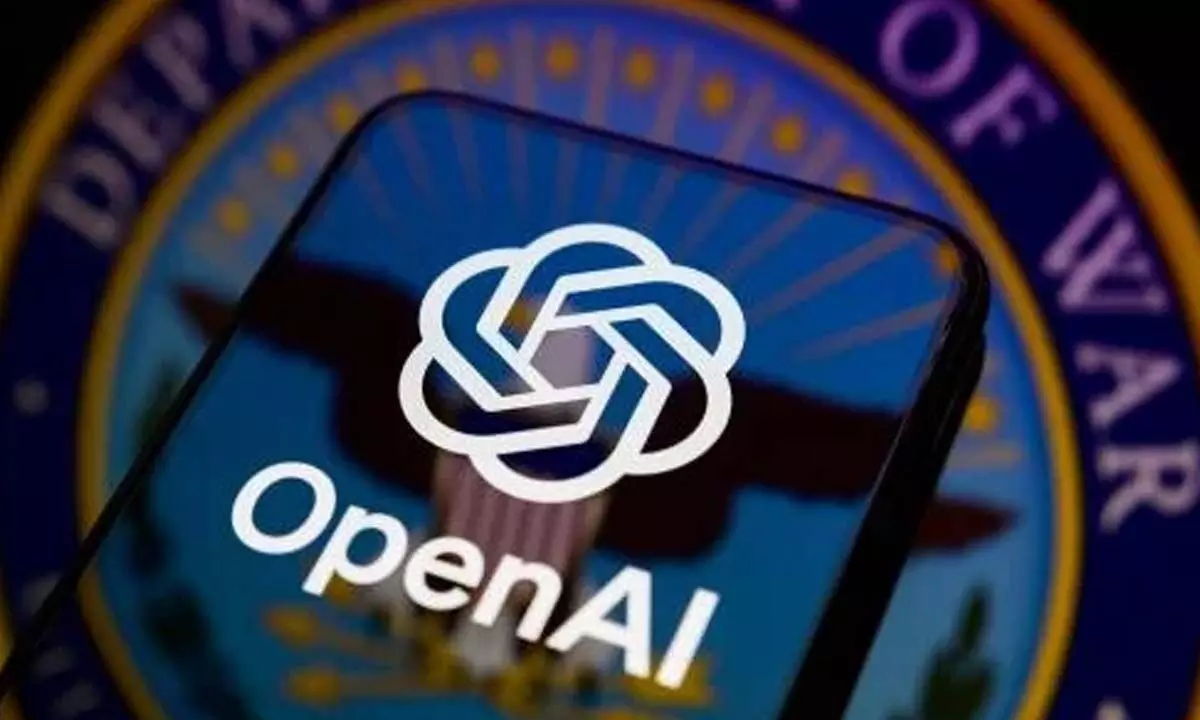
OpenAI hints GPT-5.4 will arrive sooner than expected, featuring huge context windows and advanced reasoning amid backlash over the Pentagon deal.
OpenAI is gearing up to introduce GPT-5.4, the next major upgrade to its large language model (LLM), and the company says it could arrive “sooner than you think.” The announcement comes at a turbulent time for the ChatGPT maker, as it faces criticism and a noticeable user migration to competing AI chatbots following its controversial agreement with the US military.
While OpenAI has not confirmed an official release date for GPT-5.4, reports suggest that the upcoming model will deliver significant improvements in reasoning ability and data processing capacity. Until then, users have access to GPT-5.3 Instant, a lighter and faster model designed to address some of the criticisms surrounding earlier GPT-5 versions, particularly regarding tone, reliability, and response accuracy.
According to reports from The Information, GPT-5.4 could dramatically expand its context window, potentially allowing the system to process up to one million tokens, with some speculation pointing to a possible two million token limit. This would represent a massive leap from the 400,000 tokens available in GPT-5.2. In practical terms, a larger context window enables AI systems to read and analyse significantly larger documents, datasets, and prompts in a single interaction. For developers and researchers, this capability could streamline complex coding projects, in-depth research, and multi-document analysis.
The upcoming model is also expected to introduce an “extreme” reasoning mode, aimed at solving complex analytical problems and providing deeper insights. However, such advanced reasoning may require more processing time and computing resources, meaning responses could take longer to generate in certain scenarios.
The news of GPT-5.4 arrives amid growing scrutiny over OpenAI’s recent agreement with the US Department of Defense. The deal makes OpenAI the default provider for AI deployments across certain Pentagon operations. The arrangement has sparked debate within the AI community about the ethical implications of artificial intelligence being used in military surveillance and potentially in the development of autonomous weapons.
Notably, AI company Anthropic reportedly chose not to participate in the same defense contract, citing ethical concerns. Following the announcement that OpenAI had signed the agreement, many users expressed dissatisfaction online, with some switching to alternative AI tools such as Claude.
Reports indicate that ChatGPT experienced a surge in app uninstalls shortly after the news surfaced, with uninstall rates reportedly increasing by nearly 300 percent over the weekend. At the same time, Anthropic’s Claude briefly climbed to the top spot on the Apple US App Store, reflecting a shift in user sentiment.
OpenAI CEO Sam Altman has acknowledged that the contract announcement may have appeared rushed. He admitted that the move might have seemed opportunistic to some observers. However, these remarks have not fully calmed criticism from both users and employees. Some OpenAI staff members have reportedly left the company, while others have publicly voiced concerns about the use of AI in military surveillance programs.
Against this backdrop, OpenAI appears to be banking on GPT-5.4 and the newly introduced GPT-5.3 Instant to rebuild trust and retain users. The company hopes that improvements in performance, reasoning, and usability will encourage existing users to stay and potentially win back those who have migrated to rival AI platforms.