UPI Rules Set to Change from August 1: Here's What Every User Needs to Know

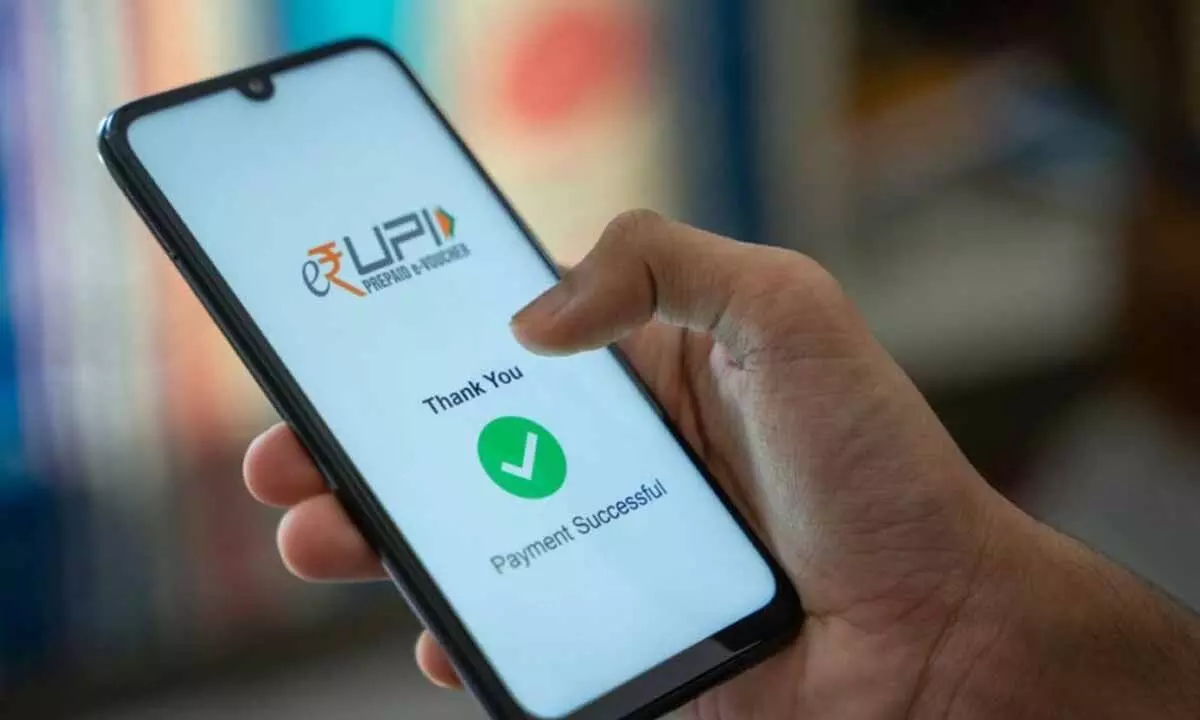
From August 1, UPI balance checks, auto-debits, and account views will face limits to improve transaction efficiency during peak hours.
Starting August 1, users of popular UPI platforms like Google Pay, PhonePe, and Paytm will notice changes in the way they use the service. The National Payments Corporation of India (NPCI), the body behind UPI, is rolling out new guidelines to reduce transaction load on the system and enhance overall efficiency—especially during high-traffic hours.
If you're a regular UPI user, these changes are essential to know before making payments. Here's a clear breakdown of what’s changing and why it matters:
1. Limit on Balance Checks
Frequent balance checks will now be capped. Each UPI application will allow users to check their account balance up to 50 times per day. This cap is valid over a rolling 24-hour window and includes only user-initiated requests. Apps will no longer be able to perform background balance verifications automatically. To make this transition smoother, after each successful transaction, users will see the updated account balance on their screens—helping reduce the need to manually check balances repeatedly.
2. Restrictions on Viewing Linked Bank Accounts
Users will now be limited to viewing their linked bank account list just 25 times per day. This change is applicable when you select your bank within a UPI app to fetch account details. Importantly, any failed attempt to retrieve account information can only be retried with the user’s explicit permission. This aims to minimize unnecessary traffic between the app and banking servers.
3. Auto-Debits Shift to Off-Peak Hours
Recurring UPI transactions such as EMIs, OTT subscriptions, and utility bill payments will now be processed during non-peak hours only. The designated window is before 10:00 AM and after 9:30 PM. This scheduling helps keep high-load transaction periods (like lunchtime and early evening) free for essential real-time payments.
4. Fewer Retry Attempts for Auto-Debits
In case an auto-debit transaction fails, users will get only four chances—one primary attempt and up to three retries. This is meant to avoid repeated transaction failures clogging up the system. By limiting retries, NPCI is aiming to ensure better stability and reduced delays for all users.
5. Strict Compliance Mandate for Banks and Apps
NPCI has issued a strict deadline of July 31 for all banks and payment service providers to implement these changes. Non-compliance could lead to serious consequences, including restrictions on access to UPI APIs or even a halt in onboarding new users. This move ensures that every stakeholder adheres to uniform standards for smoother user experiences.
In addition, IDFC First Bank has announced a significant update for its NRI customers. From August 1, NRIs can connect their NRE and NRO accounts with UPI apps using international mobile numbers. This step is expected to simplify UPI use for global Indian users.
As digital payments continue to grow, these adjustments are aimed at maintaining system integrity and ensuring seamless services for all users. If you rely on UPI regularly, staying aware of these updates can save you from unexpected transaction issues.