US immigration attorney warns of student visa slump, high H-1B costs

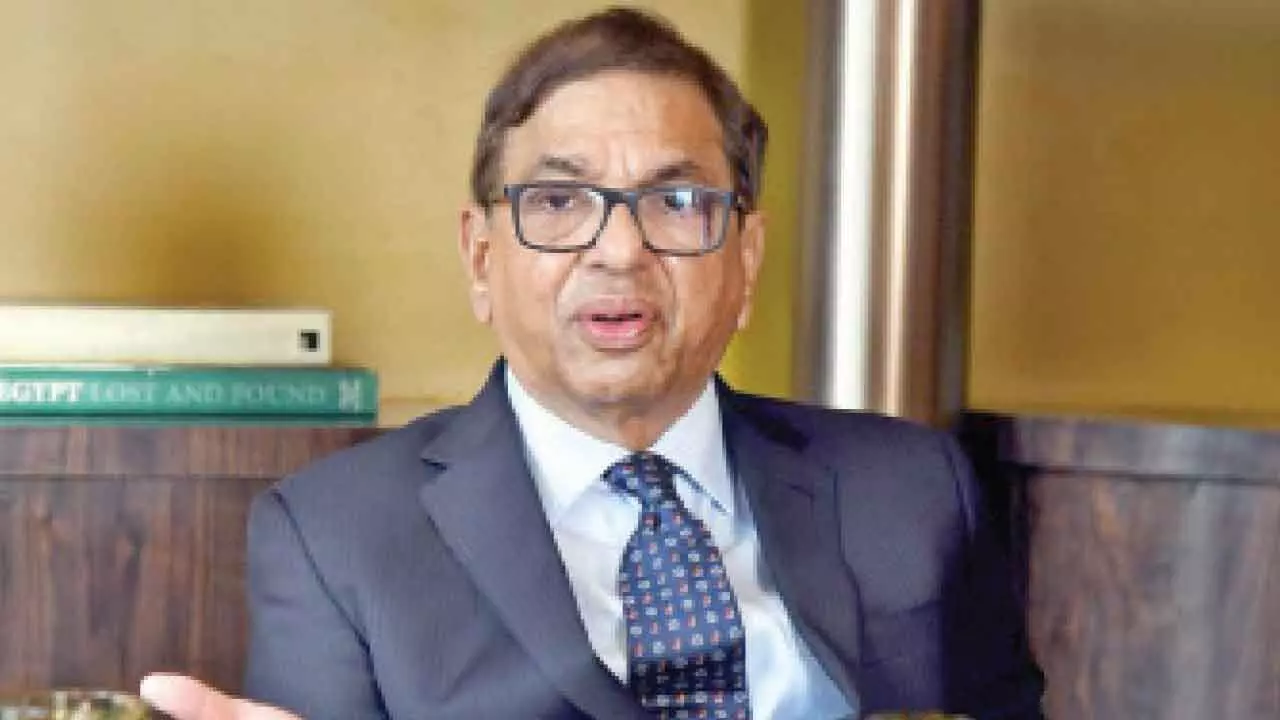
Nadadur S Kumar, a US immigration attorney with over four decades of experience, highlighted the mounting pressures faced by Indian applicants during a media briefing in Hyderabad. Hosted by the Law Offices of Nadadur S Kumar at The Quorum on Monday, the session addressed the shifting landscape for students, professionals and investors.
He noted a significant 50 per cent drop in F-1 student visa approvals this year. Kumar urged aspirants to target only reputable institutions and maintain flawless records, as even minor infractions now result in immediate denials.
Regarding employment visas, Kumar detailed recent H-1B modifications, including a new $100,000 employer fee applicable at US consulates. He also discussed the weighted lottery system which now favours those with advanced degrees and higher salary brackets. Given that 70 per cent of H-1Bs are issued to Indians, he recommended L-1 intracompany transfers as a more stable alternative, especially for exporters launching US operations. He warned that employment-based green card wait times for Indians currently span 10 to 20 years, leaving many in indefinite limbo.
The primary focus of the briefing was the EB-5 immigrant investor programme. Kumar explained that an investment of $800,000 in Targeted Employment Areas through regional centres provides a structured route to permanent residency. He stated that he has filed thousands of EB-5 cases with a 100 per cent success rate, where clients received green cards and their capital back within four to six years. Furthermore, EB-5 applicants already residing in the US can secure work authorisation in just five months, bypassing standard consular delays.
The session ended with a Q&A where attendees discussed strategic immigration alternatives for students and entrepreneurs. Kumar concluded by urging Indian nationals to explore these structured pathways to avoid the uncertainties of traditional work visa routes.