Philosophy in language of people: Suresh Babu

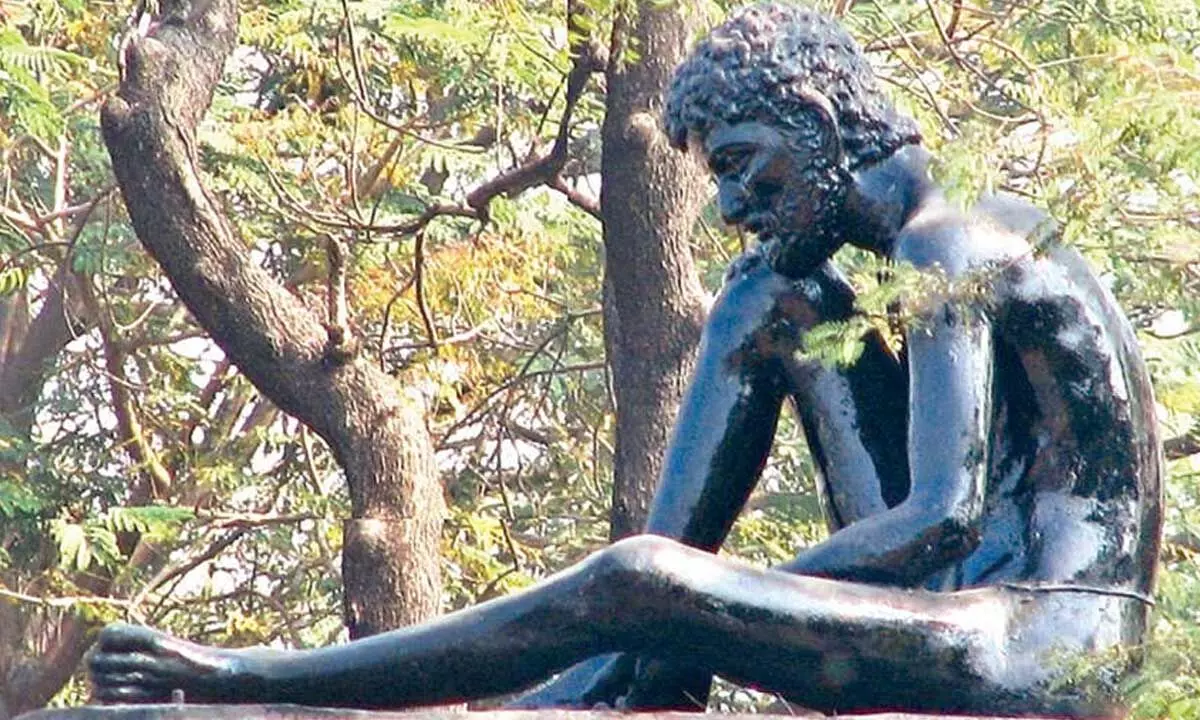
Anantapur: Yogi Vemana, one of the most influential philosopher-poets of Telugu literature, continues to inspire generations with verses rooted in reason, morality and social reform. Using simple, earthy language and native idioms, he conveyed profound philosophical ideas in a way that resonated with ordinary people. Scholars differ on the period in which Vemana lived, placing him between the 14th and 18th centuries.
Renowned scholar CP Brown, who compiled Vemana’s verses in the 19th century, suggested that he may have been born around 1352 CE, noting that the poems were already centuries old by his time.
Vemana is believed to have been born in the Gandikota region of present-day Kadapa district, with some accounts citing Mugachintapalli as his birthplace.A Vedic scholar and yogi, he later moved to Kondaveedu, where he is said to have mastered Achala Yoga under Lambika Shiva Yogi.
He spent much of his life travelling across southern India, spreading his ideas through sharp, evocative poetry. In his later years, Vemana settled at Katarupalli near Kadiri in Anantapur district, where he is believed to have attained samadhi. His poetry reflects fearless rationalism, opposing blind faith, ritualism and idol worship, while advocating ethical living, inner purity and universal brotherhood.
Rejecting rigid philosophical schools, he carved a distinct spiritual path rooted in Achala Siddhanta.
Written largely in the Ataveladi metre, Vemana’s poems end with the signature line “Viswadaabhi Raama, Vinura Vema.” Many of his verses have entered everyday Telugu speech, underlining their cultural depth. Recognising his legacy, the State government established Yogi Vemana University in Kadapa. Even centuries later, Vemana’s relevance endures, offering reason, compassion and moral clarity in a divided world.