Budget Highlights 2025

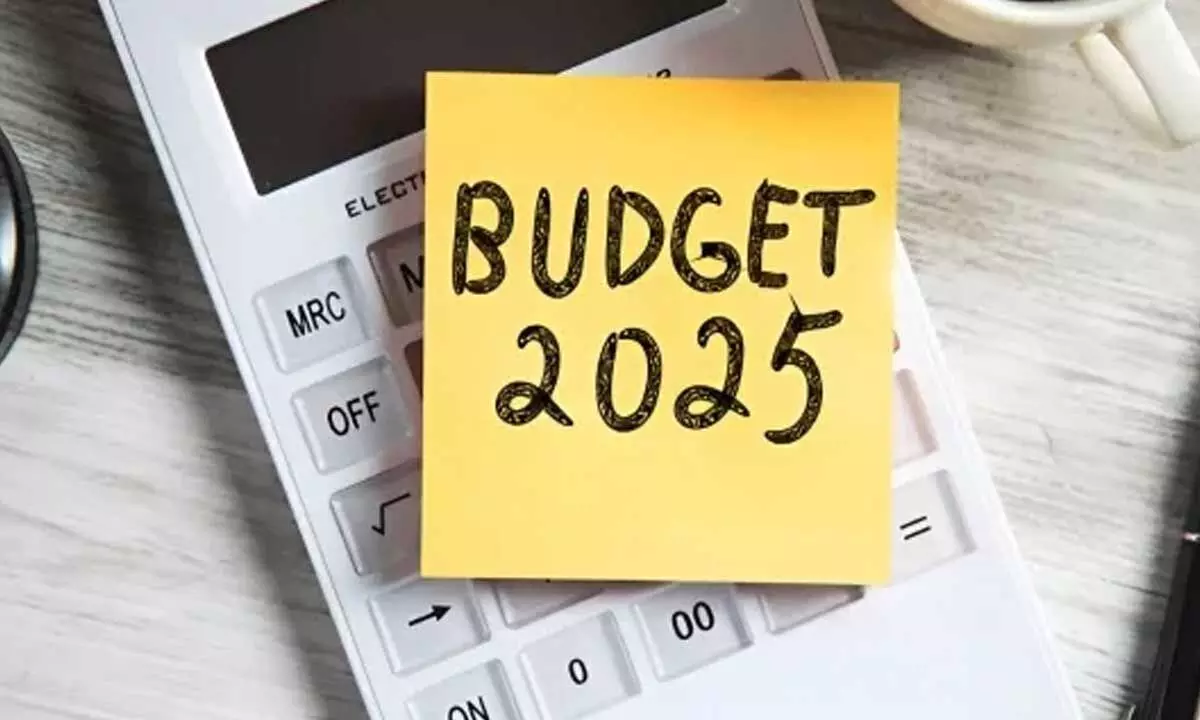
Key Takeaways for the EV & Battery Industry from Union Budget 2025
Key Takeaways for the EV & Battery Industry from Union Budget 2025
1. Strengthening Domestic Battery Manufacturing
Full exemption of Basic Customs Duty (BCD) on cobalt powder, lithium-ion battery scrap, and 12 other critical minerals to reduce costs for domestic battery production.
Addition of 35 capital goods to the exempted list for EV battery manufacturing and 28 items for mobile home battery production.
Encouragement for local companies like Tata, Ola Electric, and Reliance to expand their operations in India.
2. Promotion of Clean-Tech Manufacturing
National Manufacturing Mission to boost domestic production of EV batteries, motors, controllers, electrolysers, and grid-scale batteries.
Policy support, execution roadmaps, and collaboration with central and state governments for scaling up operations.
Emphasis on reducing dependency on imports and strengthening India’s role in the global clean energy supply chain.
3. Boosting EV Affordability & Adoption
Lower battery production costs due to tax exemptions, making EVs more affordable.
Incentives for backward integration to enhance local supply chains and reduce reliance on China and other countries.
Support for grid-scale batteries to ensure efficient energy storage, improving EV charging infrastructure.
4. PLI Scheme Expansion for Large-Scale Manufacturing
Production-Linked Incentive (PLI) scheme now includes 16 sectors, with a 38% allocation for electronics manufacturing, indirectly benefiting battery production.
FY25 allocation raised by 89% to ₹16,092 crore, ensuring sustained investments in EV and clean energy sectors.
5. Alignment with India’s Renewable Energy Goals
Focus on solar PV cells, wind turbines, and high-voltage transmission equipment, complementing EV battery manufacturing.
Incentives to enhance local production capacity, fostering a robust ecosystem for sustainable energy solutions.
6. Social Security Scheme for Gig Workers
Introduction of social security scheme for online platform workers, ensuring formal recognition and access to essential benefits.
Issuance of identity cards and registration on the e-Shram portal for gig workers.
Healthcare coverage under PM Jan Arogya Yojana.
Direct benefits expected to reach nearly one crore gig workers.
Part of a broader strategy to invest in the economy and support a dynamic, inclusive workforce.
These measures will accelerate India’s transition to clean mobility, strengthen its EV battery supply chain, and attract global investments into the electric vehicle and renewable energy sectors.