Financial planning to address post-retirement blues

Retirement strips away identity, almost overnight, creating a void; Survey across world highlights this aspect
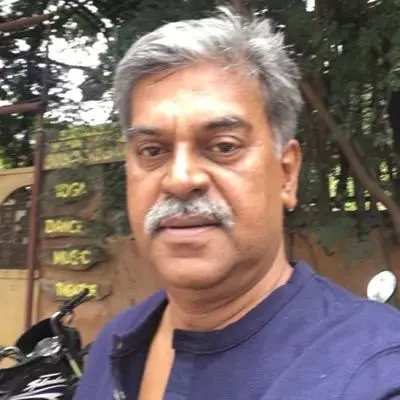
It’s been a year to date since I retired. The experience and reflections brought different perspective to approaching retirement. My cliched statement on retirement was, it’s not about re-tiring holds truth, yet many, who diligently build a corpus struggle to enjoy it. The biggest threat of retirement is not just living long, but outliving your plans – both financially and psychologically. While financial advisors and planners excel at quantifying the retirement (corpus calculations, tax efficiencies, estate/legacy planning), the qualitative transition often gets unaddressed, leaving retirees unprepared for the invisible challenges.
The unseen challenges of retirement include:
Loss of identity: For decades, our careers defined us. Retirement strips that away, almost overnight, creating a void. Survey across the world highlight this. AARP survey of 2022 puts that 37 per cent of the retirees struggled with a loss of identity after leaving work while a Harvard study on retirement well-being (2021) found that 23 per cent reported higher life satisfaction who replaced their work identity with a new role (e.g. Volunteer, part-time consultant, etc)
Max Life India retirement index study (2023) found that 47 per cent of the retirees felt a loss of purpose after leaving work and only 28 per cent have planned for how they’d spend time post-retirement. A ICICI Pru retirement study (2022) found that women retirees faced a sharper identity crisis (61 per cent) compared to men (45 per cent)
Social isolation: Professional life ensures built-in social interactions either by design or default.
A US health and retirement study (2023) revealed that 1 in 3 retirees felt lonelier after retirement, esp. those who relied on workplace social connections and witnessed 40 per cent reduction in loneliness in retirees who joined social groups (book clubs, fitness classes, etc.). Most importantly socially active retirees had a 30 per cent lower risk of cognitive decline.
Data shows that 28 per cent felt purposeless in the first two years of retirement (AARP survey 2022), while the Harvard study (2021) showed that without a structured activity the respondents were two times likely to experience early depression. A HSBC Future of retirement report India (2023) found 23 per cent of retirees depended solely on family for emotional support. However, 1 in 4 felt neglected by younger generation due to changing lifestyles.
Psychological longevity: As you diversify your investments, diversify your interests. It’s difficult to sustain a single hobby for decades, stay curious. The brain thrives on novelty. Charlie Munger is a great example of this. Acknowledge that retirement automatically doesn’t bring bliss but a pivot. The financial corpus is just the ticket, but the real journey is designing a life where money serves your happiness not the other way around. The first question to pose for oneself is: Am I retiring from work or am I retiring into something greater? That answer would provide the enlightenment.
Also, the financial planners/advisors should look beyond the spreadsheets. Recognize that emotional preparedness could lag the clients’ financial planning. Advisors should expand their conversations on what does a fulfilling day looks like for their clients in retirement, how will they replace the intellectual stimulation and social interactions work provided them and what scares them most about this transition.
(The author is a partner at Wealocity Analytics, a SEBI registered Research Analyst and could be reached at [email protected])