India can become global hub for electric cooking tech

India’s homes tell a curious story. The living room runs on electricity- lights, fans, air-conditioners, televisions - while the kitchen, the very heart of the household, continues to depend on LPG. In an era of clean energy transition, this divide is increasingly difficult to justify. It is time to extend electricity from the living room to the kitchen and reimagine domestic energy use in India.
As the proverb goes, “A stitch in time saves nine.” India must act now - before rising energy demand and environmental pressures make the transition more difficult.
The economics: Is LPG really cheaper?
A typical 14.2-kg LPG cylinder costs around Rs 900-Rs 1,100. In energy terms, this provides roughly 170 kWh of usable heat under ideal conditions. However, due to inefficiencies in conventional gas stoves, a significant portion of this energy is lost.
Electricity, priced at about Rs 7 per kWh in many urban areas, is far more efficient when used through induction cooktops, which deliver up to 85–90 per cent efficiency. When this efficiency advantage is factored in, electric cooking is not only competitive but often cheaper than LPG in real terms.
In other words, continuing to rely heavily on LPG may be “penny wise, pound foolish.” Electricity offers better value, greater stability in pricing, and aligns with India’s long-term energy strategy.
Solarising homes: A transformational opportunity
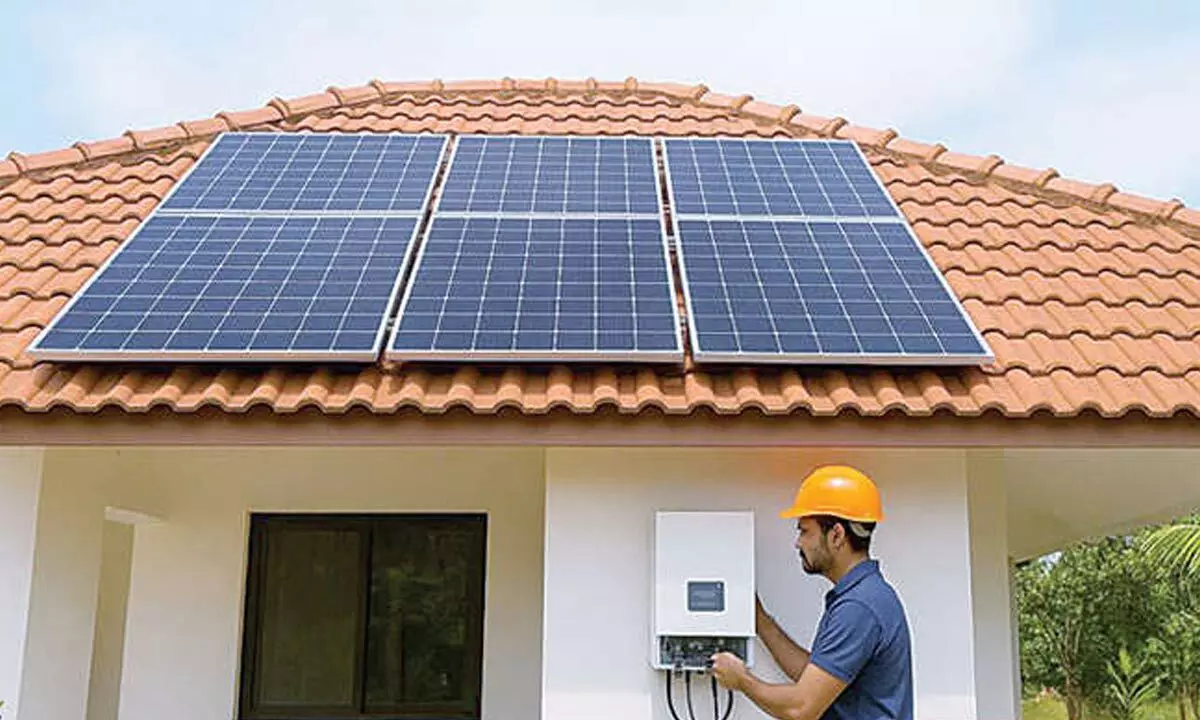
The government’s plan to solarise about 1.5 crore households out of nearly 36 crore homes could be a turning point. Rooftop solar enables households to generate their own electricity, making electric cooking even more economical.
Here, the idiom ‘make hay while the sun shines’ takes on a literal meaning. Solar-powered kitchens can reduce dependence on both LPG and grid electricity, ushering in a new era of energy self-reliance.
Growth Engine for Manufacturing
A large-scale shift towards electric cooking will significantly boost domestic manufacturing. Demand for induction stoves, electric pressure cookers, heating elements, and smart appliances will surge.
This transition can:
•Strengthen the ‘Make in India’ initiative
•Create jobs across manufacturing and services
•Encourage innovation in energy-efficient appliances
India has the potential to become a global hub for electric cooking technologies. After all, ‘where there is a will, there is a way’.
Clean, Safe and Modern Kitchens
Electric cooking eliminates the risks associated with LPG leaks and indoor air pollution. It ensures cleaner kitchens and healthier living conditions, especially for women and children.
That said, safety must remain central. Increased electricity use requires:
•Proper wiring and earthing
•Certified appliances
•Awareness about load management
As the saying goes, forewarned is forearmed. With the right precautions, electricity is a safer and more reliable option.
Quality of Power: The Key Enabler
For households to adopt electric cooking with confidence, reliable power supply is essential. Voltage fluctuations and outages can undermine trust in electric solutions. India must therefore focus on improving the quality of power supply. One reform worth considering is making QCI (Quality Council of India) certification mandatory for electrical infrastructure and household connections. This can ensure standardisation, accountability, and reliability.
A shift from the traditional Electrical Inspector system to modern, third-party quality audits can bring efficiency and transparency - ensuring that consumers get the quality of service they deserve.
A Practical Roadmap
Short Term (1–3 years):
Promote electric cooking through incentives, expand awareness campaigns, and improve supply reliability in cities.
Mid Term (3–7 years):
Upgrade distribution systems, introduce QCI-based inspections, and scale domestic manufacturing.
Long Term (7–15 years):
Achieve widespread adoption of electric cooking, integrate rooftop solar, and develop smart, energy-efficient homes.
The Way Forward
India’s energy future lies in clean, efficient, and sustainable solutions. Shifting cooking energy from LPG to electricity will reduce carbon emissions, lower import dependence, and improve quality of life.
As another timeless saying reminds us, ‘The best time to act was yesterday; the next best time is now’.
The transition from living room to kitchen is not just about energy- it is about progress. It is about building a cleaner, safer, and more self-reliant India.
The switch is ready. The question is - are we?
(The author is former chairman of Tripura Electricity Regulatory Commission and State RERA Appellant Tribunal)